Do I need salvage experience?
Yes if the book is opportunistic lots rather than a weekly wholesaler. Lenders and sellers both know a tourist buyer will mis-date the room and run out of cash between trucks.
Grocery Store Business Broker · HedgeStone Business Advisors · Jason Taken
Last updated 2026-09-04
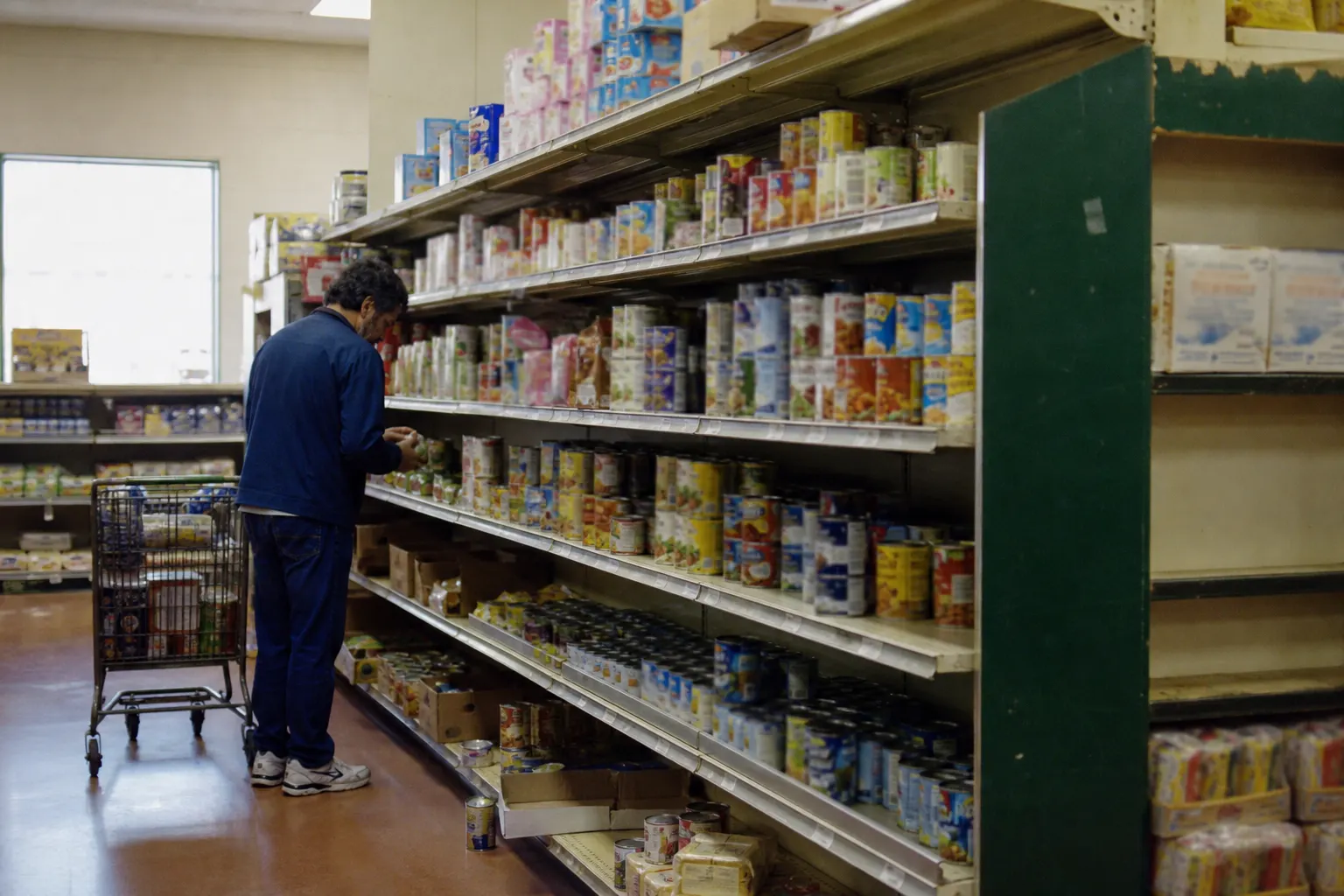
Buying a discount or salvage grocery is a dating-and-cash problem before it is a multiple problem. The seller will show a high ticket margin and a busy Saturday. You need to know what was on those shelves, how close it was to code, who you can buy the next lot from, and whether you have the cash to take that lot when it appears. Grocery Store Business Broker — HedgeStone Business Advisors, led by Jason Taken — treats this format as a trading business with a storefront. Mark the Buyer Underwriting Workbook, then book a confidential intro with the capital you can actually deploy between trucks.
FMI’s $1 trillion in 2025 supermarket sales and $668,377 average weekly sales per supermarket describe conventional, limited-assortment, and related supermarket formats in that sample. A salvage room that buys distressed, close-dated, or insurance-claim merchandise is not that sample. FMI’s 2.1 percent food-retailer net in 2025 is a reminder that food retail is thin once shrink is real. On salvage, shrink is dating, customer returns, and lots you should not have bought. Do not borrow supermarket weekly-sales figures to dress up a closeout box.
Walk the room with a dating standard, not a shopping cart. Ask what the seller considers sellable. Ask what the health department has already written up. Ask what customers returned last month. Bring a written rule: how many days before code you will still put dairy out, whether dented cans stay, and whether “best by” and “use by” get the same treatment. If the seller cannot answer those three without improvising, the margin on the CIM is a merchandising story, not earnings. Shrink on this format is not a quiet 2 percent rumor. It is visible on the shelf if you look. Shrink, margin, and turns still apply; the clock is the code date, not a supermarket meat case. Complaint logs and refunds are diligence, not customer-service folklore. A store that refunds half the Saturday lot is telling you the true cost of the last truck.
Inventory at cost is the wrong phrase if cost is a lot-purchase of mixed dating. A pallet bought at twenty cents on the dollar can still be worthless if half of it is past the standard you will run. Lenders dislike undocumented salvage because there is no clean FIFO trail. Read how inventory is counted and write the unsellable rules before count night. Retail tags are not cost. A fight at 2 a.m. is how these deals reopen.
Sales proof is still required. Scan data, sales-tax filings, and EBT deposits should tell one story. A weekly-sales spreadsheet without department mix is a rumor — verifying sales with scan data is the method. EBT is often the quiet engine on a discount box. A gap between EBT deposits and the SNAP story is mix, downtime, or fiction. See red flags that should kill a grocery deal if the cash story has no bank trail.
Read the CIM as claims. “We buy smart” is a claim. “Customers love the bargains” is a claim. “Shrink is fine” without counts is a claim. How to read a CIM is the annotation method. Evaluating a store’s P&L has to happen at the lot level, not as one blended gross margin.
A conventional grocery restocks on a weekly wholesaler book. Salvage restocks when a closeout, a freight claim, or a salvage grocer has a load. If you spend your last dollar on the going-concern and the inventory on the floor, you cannot buy the next opportunistic truck. That is how a high-margin store goes dark in week three.
Working capital here is larger, lumpier, and less predictable than a supermarket drop. How much money you need is a stack: equity, the inventory you will actually keep after dating rules, cash for the next several lots, and SNAP lag. The cash-to-close estimator exists so you stop using the down-payment slogan.
Teaching example, labeled illustrative: a $900,000 going-concern (ex-inventory) at 15 percent equity is $135,000. The room is tagged at $200,000 “at cost.” After you apply a dating standard, $60,000 is unsellable or a fight. You still need $80,000 to take two salvage loads in the first month and $25,000 for closing plus SNAP downtime. You are a roughly $300,000 buyer if the count is honest — more if you keep the seller’s fiction. Say the real number on the call.
Turns are not one number. Close-dated dairy and a pallet of off-label canned goods do not share a clock. A seller who quotes one turn for the whole room is blending a trading desk into a storefront.
Recast SDE after you leave dating loss in the file. Owner pay, one-time legal, and a personal auto can move SDE. Recurring dumpage cannot. Recasting a grocery P&L and anatomy of a grocery P&L are the department-level read. Add-backs that repeat every year are the business. Stop calling them one-time.
BizBuySell’s grocery/supermarket sold sample — 3.38 average earnings multiple in 2025; IQR 1.60–3.15 for 2021–2025 — is national listing-site context. This pack does not publish a salvage-only multiple. Apply the sample as a ceiling check, then subtract holes: undocumented suppliers, health-department history, a mix that cannot support a new SNAP file, and working capital the buyer has to fund. A 0.43 revenue multiple (2025 sold-sample average) hides dating. Return to SDE. The valuation hub and multiples report are the method.
Teaching example, labeled illustrative: recast SDE of $320,000 after dumpage and owner-pay normalization. A 2.0× file with a clean supplier book and a SNAP-survivable mix is a different animal than a 2.6× file whose earnings were last year’s lucky lots. Lease remaining term and license lag can move the check more than the multiple. Use the SDE worksheet.
Buying a distressed store is a cousin conversation. Distressed still has a lease and a stockroom. Salvage as a format is a chosen supply model. Do not price a turnaround novel onto a room that was always meant to be opportunistic.
USDA FNS: SNAP authorization does not transfer. The new owner files a new application. That rule is federal. A discount or salvage grocery does not get a local shortcut. Read EBT / SNAP diligence and what happens to SNAP when you sell.
FNS has staple-food and eligibility rules that salvage mixes can fail. Confirm the mix you will actually run — not the seller’s best week — before you treat SNAP retailer authorization as durable. Some states extra-regulate salvage food. Local secondhand or salvage permits may exist. This pack does not invent those statutes store by store. Verify them on the file. Print the closing and license checklist.
Write the SNAP clock into the LOI. Budget downtime in cash. Do not invent a SNAP-household count for the trade area. This pack does not attach those counts. A food desert story does not replace a P&L — buying in a food desert is a different essay.
Alcohol, if any, is still a class, a quota license, or a control-state product. NABCA lists 17 control states plus local-control pockets. Read alcohol regime. Tobacco and lottery sit on separate agency calendars — WIC, lottery, and tobacco checklists. WIC is a vendor file. None of that is “the license” as one asset.
Supply is opportunistic: salvage grocers, closeout vendors, insurance and freight-claim merchandise, and limited conventional wholesale. Name the vendors. Ask whether the relationship is personal to the seller. Ask for invoices that match the room you walked. A single undocumented source is a walk. DSD may be thin. A conventional wholesaler may refuse the account if the fascia is salvage.
Call two vendors yourself under NDA if the seller will allow it. Ask what they will sell a new owner, what they require in cash before a truck moves, and whether last year’s volume was a one-off claim or a repeat book. A salvage grocer who will only sell to the seller by name is not an assumable supply chain. You are then buying a storefront and a hunting license. Price it that way. Keep a conventional backup for staple foods if you need those SKUs to survive a new SNAP file. That backup is working capital too, because cash-and-carry prices are not salvage prices.
Existing salvage operators usually win this file because they already have the book and the stomach for dating. Discount-banner buyers win when they can put a cleaner program on the same box. Buyers who underestimate dating liability lose cash in month one. Buying as a first-time owner is harder here than on a weekly supermarket book. Language on the floor still matters if the regulars are not shopping in your language — that is shrink, not a slogan.
Lease diligence still decides whether you have a storefront: assignment, remaining term, use clause, and whether the landlord wants a salvage fascia. Occupancy as a percent of sales — rent checker — can look cheap because the box is rough. A related-party below-market rent juiced SDE and will reverse. If the seller also wants to sell the dirt, recast the store on market rent first. That split lives on grocery with real estate.
SBA 7(a) can finance a change of ownership; the published maximum is $5 million. Eligibility still wants a for-profit U.S. business that is small under SBA size rules, not an ineligible type, and creditworthy with a reasonable ability to repay. Undocumented lots and unreported cash do not survive that conversation. Read SBA 7(a) for grocery acquisitions. DSCR is annual cash flow after an honest recast, divided by annual debt service. Use the SBA payment and DSCR calculator.
Seller carry, if any, often sits on standby. Read buying with seller financing. Conventional paper is rarer when the inventory story is a handshake. Conventional and alternative financing still belongs in the stack if the box is cleaner than the fascia suggests.
Wage is a model input. State minimum wage belongs in labor before you staff a room that needs constant re-merchandising. Food-tax treatment changes how you corroborate sales — grocery sales tax.
Compare the twin sell page for the seller’s incentives. A neighborhood grocery with a weekly book is a different working-capital animal. Start from the buyer hub and how to buy a grocery store step by step. APA schedules are where the real store lives: contracts, excluded lots, and equipment — asset purchase agreement essentials.
Post-close, the first 90 days are vendor trust, dating walks, and not “trading up” the mix for sport until you can restock what you just sold. Re-file SNAP immediately. Hold the seller to transition hours. Read the post-closing 90-day plan and transition and training periods. Attorneys who have never closed salvage will treat dating as a footnote — bring them working with attorneys and CPAs. Surviving due diligence is the calendar after the LOI.
When the workbook is marked and you can fund the next truck without hoping, schedule the buyer strategy call. Bring proof of funds, the dating standard you will run, and the vendors you can name. Jason Taken would rather recast dumpage on that hour than watch a high-margin story run out of cash in week three.
Use this napkin recast on Buy a discount / salvage grocery when you book the call. It is labeled illustrative. BizBuySell's 2025 grocery sold-business earnings multiple averaged 3.38, with a 2021-2025 IQR of 1.60-3.15.
| Input or output | Illustrative figure |
|---|---|
| Weekly sales (illustrative) | $124,000 |
| Annual sales | $6,448,000 |
| Recast SDE | $303,056 (4.7% of sales) |
| Inventory at cost | $358,222 (~18 turns) |
| Occupancy check | $212,784 / year (3.3% of sales) |
| Low going-concern | $873,417 at 1.70x SDE + inventory |
| High going-concern | $1,312,848 at 3.15x SDE + inventory |
| Sketch DSCR on a note | 1.47 |
If weekly sales or shrink move 8 percent, the SDE and the note move with them. That is why Jason Taken starts with scan data and the lease, not with a neighbor's rumor multiple.
Bring proof of funds or a lender pre-screen, your format, and geography. Jason will tell you whether a store like this can clear SBA or seller-carry math.
Print these, mark them up, and bring the marked copy to the intro. They are educational. They are not a valuation letter and not a listing. All downloadable guides.
Have the file ready so the hour is a recast, not a scavenger hunt. Then pick a time.
Underwrite the deal before you fall in love with the store
Scan data, SNAP mix, rent-to-sales, and DSCR. If those four do not clear, the CIM photos do not matter.
Schedule a Buyer Strategy CallYes if the book is opportunistic lots rather than a weekly wholesaler. Lenders and sellers both know a tourist buyer will mis-date the room and run out of cash between trucks.
SBA 7(a) can finance a change of ownership; the published maximum is $5 million. Undocumented salvage and a mix that cannot support a new SNAP file are why many of these stacks stall.
Cost is a mixed-dating lot, not a warehouse tag. Write sellable rules before 2 a.m., refuse what you will not ring, and fund the next truck separately from goodwill.
No. USDA FNS: SNAP authorization does not transfer; the new owner files a new application. Close-dated lots can fail staple-food and eligibility rules — verify the mix you will actually run. Book a confidential intro before you promise EBT on day one.
Then you own a empty box with dated leftovers. Get a written path to the next load — or a replacement broker — before you treat opportunistic supply as furniture.
Source and finance a grocery acquisition
Jason Taken works buyers through qualification, SBA or seller-carry structure, and a diligence plan a lender will fund. Book the hour.
Schedule a Buyer Strategy CallThis page is educational information from Grocery Store Business Broker (HedgeStone Business Advisors). It is not legal, tax, or investment advice. Licensing, tax, and financing rules vary by state and deal. Confirm every item with counsel and your lender before you sign.
Ready when you are. Jason Taken will talk through the file.
Book a confidential intro