Does the liquor license ride with the APA?
No. The alcohol agency — and often a local board — must approve the incoming licensee. Write that approval into the LOI as a close condition.
Grocery Store Business Broker · HedgeStone Business Advisors · Jason Taken
Last updated 2026-09-04
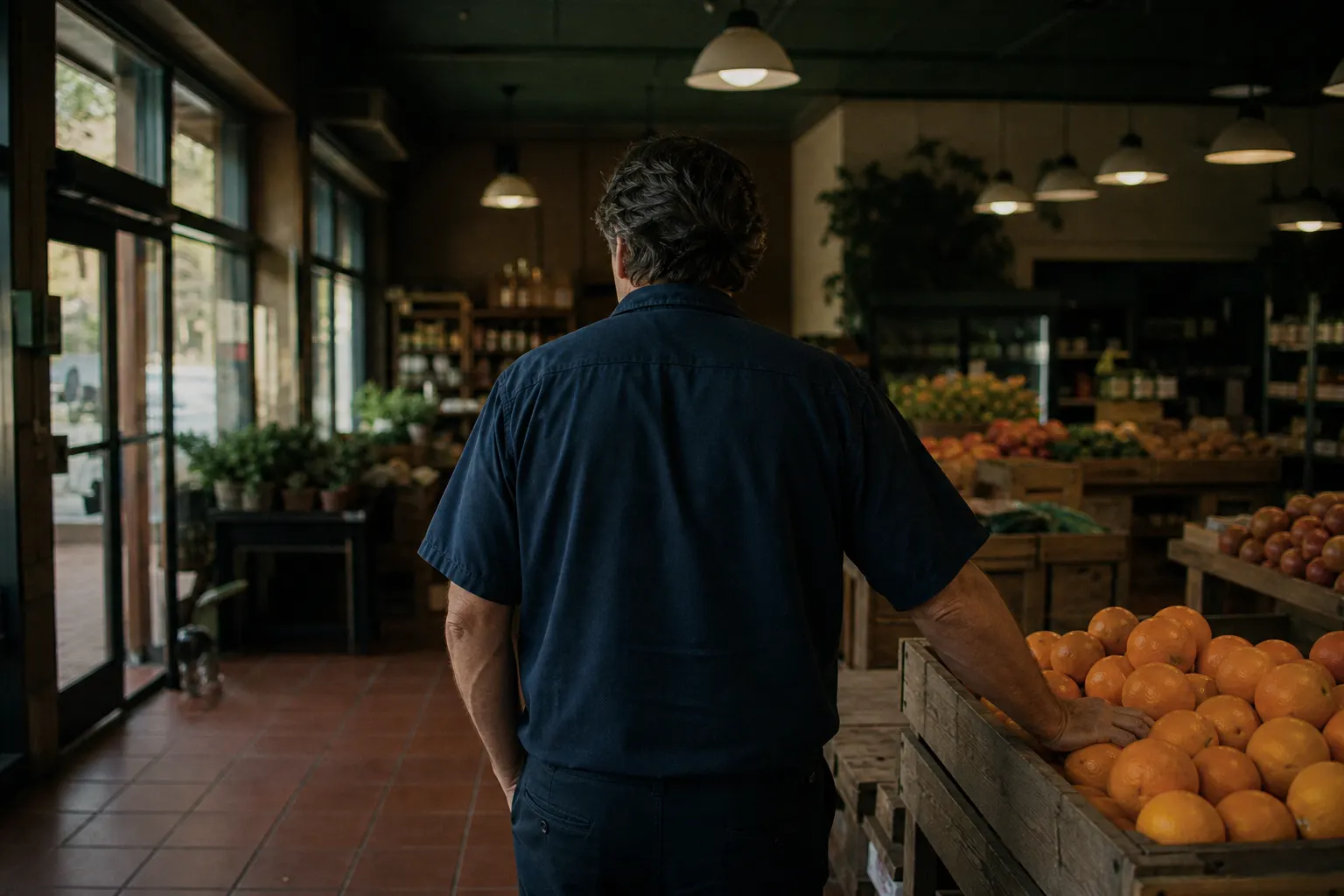
Not automatically. A liquor license in grocery is a class, a quota, or a control-state appointment. It is not a fixture that moves with the coolers. The state or local alcohol agency must approve the incoming licensee. The asset purchase agreement can assign the seller’s rights to apply. It cannot swear the agency will say yes.
Grocery Store Business Broker — HedgeStone Business Advisors’ grocery practice, led by Jason Taken — writes that approval into the close calendar before anyone argues a multiple. Book a confidential intro when you want the privilege at your address named correctly. Bring the license certificate and last week’s beer, wine, and spirits mix if you have it.
FMI’s $1 trillion in 2025 supermarket sales includes plenty of stores that sell no spirits at all. Alcohol is a local privilege. Treat it that way.
Call the agency by its real name. California ABC, Florida ABT, Texas TABC, a Wisconsin municipal clerk, a Massachusetts local board plus ABCC — the desk changes. The rule does not. Someone has to accept the new owners, the premises, and the class. Until that happens, the buyer does not have the privilege.
This page will not invent a wait-day count. Agencies publish their own clocks, and local boards add hearings. Budget time. Do not write “thirty days” into an LOI because a neighbor remembered a number. Condition close on approval, or on a written path counsel will defend.
Sellers sometimes keep selling on their own license after an asset close because “the transfer is in.” That is how both sides get an enforcement problem. If the agency allows a temporary or a management agreement, get that in writing. If it does not, do not invent one. Train the front end on what can be sold on Monday.
A stock sale can look cleaner because the licensed entity stays in place. It is not automatic. Many agencies still treat a change of owners as a transfer or a new application. Ask the agency that issued the paper, not the CIM.
SBA 7(a) can finance a change of ownership up to the published $5 million maximum. A lender will still ask whether alcohol margin is in the DSCR on day one. If the privilege is late, recast SDE without that aisle.
Stop saying “the liquor license” as if it were one object. A New York grocery may sell beer under an SLA license and sell no wine or spirits at all. A California Type 20 is off-sale beer and wine. Off-sale general is a different privilege. A Connecticut grocery may have beer and not wine. Confirm the class at the address.
Florida beer and wine in grocery is a different series than a quota liquor license. Texas wet/dry maps and package-store rules can put spirits in a separate store. New Jersey plenary retail distribution licenses are a scarce package privilege, not a grocery beer add-on. Read the certificate. Then read the agency’s class list.
Inventory on the shelf is not the privilege. You can count wine at cost on inventory night and still be unable to replenish it. Put alcohol inventory in its own conversation: who can sell it after close, who owns it if approval slips, and how FIFO disputes get settled. The inventory-at-cost line still applies. The license line sits beside it.
Sunday hours, dry counties, and distance rules can zero a privilege that looks fine on a statewide blog. Kentucky wet/dry/moist, Arkansas county option, and Georgia local boards are deal facts. Confirm the county before you price the aisle.
NABCA’s control-state directory lists seventeen control states. NABCA also describes additional local control jurisdictions in Alaska, Maryland, Minnesota, and South Dakota, and it describes “18 control jurisdictions” when Montgomery County, Maryland is counted. In those places, “the grocery liquor license” is often the wrong phrase.
Spirits may sit in a state store: Virginia ABC, Utah DABS, Pennsylvania Fine Wine & Good Spirits, New Hampshire Liquor & Wine Outlets, North Carolina county ABC. The grocery may hold beer and wine only. An agency or contract store appointment — Maine BABLO, Montana, Oregon OLCC liquor stores, Ohio contract stores — is a separate relationship. It does not ride along because you bought the grocery assets.
Idaho, Alabama, Mississippi, and New Hampshire are not “supermarket spirits” stories in the usual aisle sense. Iowa and Michigan are NABCA control wholesale systems with licensed retail overlays. Do not import a Missouri or Illinois grocery-spirits habit into a control state. Read liquor-license diligence for the file, then confirm the agency that actually issued the paper.
Municipal liquor towns in Minnesota and South Dakota can mean there is nothing private to transfer. Montgomery County, Maryland runs a control retail system. Those are not quota-package deals. They are different assets.
The LOI should name the class, the issuing agency, and whether approval is a walking condition. It should say who pays transfer fees and who runs the hearing. It should say what happens to alcohol inventory if the agency says no. Those sentences belong next to landlord consent and the wholesaler assignment.
Buyers need to be licensable. Felony history, residency, tied-house conflicts, and corporate-ownership limits are agency questions. A first-time buyer who can fund the store may still be a no on the privilege. Do that work before you spend due diligence money on the meat case.
Sellers should pull the license report early. California ABC license reports, Florida quota lists, Massachusetts local-board minutes, and Wisconsin municipal quotas are public enough to read before you teaser the store. If the privilege is the value, say so in the blind teaser at a grain that does not name the corner.
BizBuySell’s 3.38 average earnings multiple on 2025 grocery and supermarket sold businesses is a national listing-site sample. A scarce off-sale privilege can dwarf that math. Price the grocery on recast SDE plus inventory at cost. Price the privilege as its own asset when the agency’s list says it is scarce. Read what happens if the license is quota.
Book a confidential intro when you want Jason Taken to put the alcohol class on the same sheet as the recast. Bring the certificate, the agency name, and the aisle mix. The parent guide is transferring your liquor license. The seller hub and how a sale works put the rest of the close in order.
Use this napkin recast on Does a liquor license transfer when I sell? when you book the call. It is labeled illustrative. BizBuySell's 2025 grocery sold-business earnings multiple averaged 3.38, with a 2021-2025 IQR of 1.60-3.15.
| Input or output | Illustrative figure |
|---|---|
| Weekly sales (illustrative) | $92,000 |
| Annual sales | $4,784,000 |
| Recast SDE | $196,144 (4.1% of sales) |
| Inventory at cost | $299,000 (~16 turns) |
| Occupancy check | $110,032 / year (2.3% of sales) |
| Low going-concern | $661,866 at 1.85x SDE + inventory |
| High going-concern | $916,854 at 3.15x SDE + inventory |
| Sketch DSCR on a note | 1.40 |
If weekly sales or shrink move 8 percent, the SDE and the note move with them. That is why Jason Taken starts with scan data and the lease, not with a neighbor's rumor multiple.
Book the intro call with your side of the table ready: seller files or buyer capital. The calendar is the only next step.
Print these, mark them up, and bring the marked copy to the intro. They are educational. They are not a valuation letter and not a listing. All downloadable guides.
Have the file ready so the hour is a recast, not a scavenger hunt. Then pick a time.
Get a specialist on the other side of the table
Grocery deals turn on licenses, inventory, and a recast a lender will believe. Book the intro and bring the file.
Book an Intro Call With Jason TakenNo. The alcohol agency — and often a local board — must approve the incoming licensee. Write that approval into the LOI as a close condition.
NABCA lists seventeen control states, plus local control jurisdictions in Alaska, Maryland, Minnesota, and South Dakota. Spirits may sit in a state store or an agency appointment, not in “the grocery liquor license.”
Usually not. A New York grocery beer license does not become a liquor-store license because you sold the store. Confirm the class at the address.
Do not plan on it. Operating on another person’s license is how files get ugly. Condition close on approval, or on a written agency path counsel will sign.
Yes. A scarce series can have market value separate from grocery SDE. Read the quota-license answer linked from this page.
The parent guide is transferring your liquor license, linked from this page.
Start a confidential grocery conversation
Whether you are exiting or acquiring, pick a time and we will talk through the file.
Book an Intro Call With Jason TakenThis page is educational information from Grocery Store Business Broker (HedgeStone Business Advisors). It is not legal, tax, or investment advice. Licensing, tax, and financing rules vary by state and deal. Confirm every item with counsel and your lender before you sign.
Ready when you are. Jason Taken will talk through the file.
Book a confidential intro