Who pays the count crew?
The LOI says. Split fees are common. Do not leave it as a vibe for midnight.
Grocery Store Business Broker · HedgeStone Business Advisors · Jason Taken
Last updated 2026-09-04
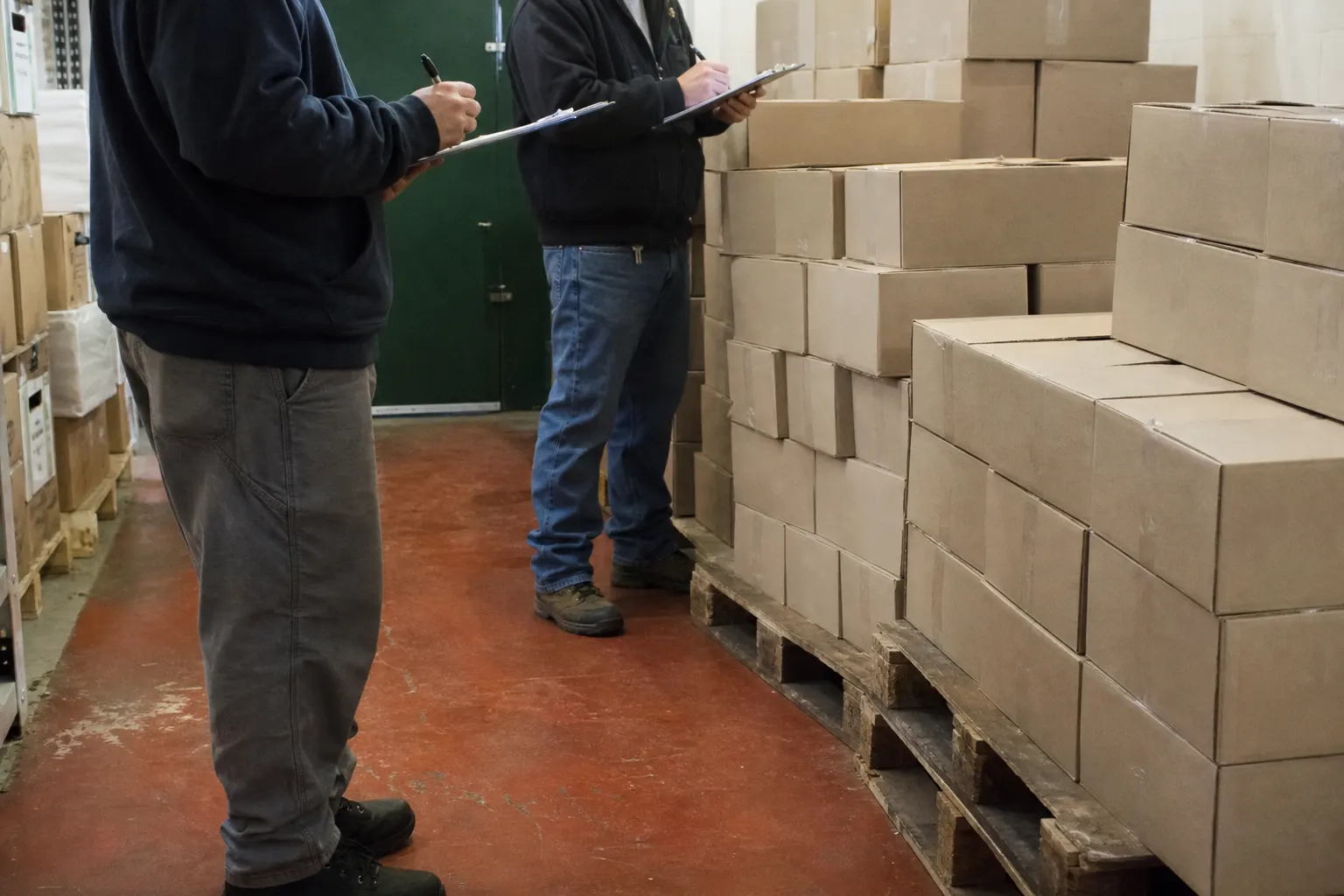
You are buying a room at cost. The night is logistics. How inventory is counted at closing is the method: last invoice, unsellable list, department split. This page is the hour-by-hour. Grocery Store Business Broker — HedgeStone Business Advisors, led by Jason Taken — will not let you schedule that hour until the landlord has assigned in writing and the LOI already said who holds the scanner. Mark the buyer workbook on cash to close, then book a confidential intro if you want the night planned before you are standing in a freezer at 1 a.m.
FMI reports $1 trillion in 2025 supermarket sales and 45,575 U.S. supermarkets in 2024. Those figures explain why grocery still has a real count industry. They do not explain your Tuesday. The buyer hub is the door. How a sale works is the sequence.
A count you cannot fund is a rehearsal. Lease assignment in writing is the usual gate. If the landlord is still “thinking about it,” you are counting a room you may not get to operate. Read lease diligence for remaining term, exclusive use, co-tenancy, and CAM before you book a crew. Remaining term under 24 months without options is a price cut, not a footnote you discover after the tape.
License status is the other gate. USDA FNS: SNAP authorization does not transfer. The new owner files a new application. If the LOI said funding sits on a named SNAP status, do not count as if the permit were already yours. Alcohol is a class, a quota, or a control-state product. NABCA lists 17 control states plus local-control pockets. A beer cooler counted at full cost when the privilege is still in hearing is how you overpay. The LOI terms that matter for buyers should have already written those outs.
Counsel drafts the APA and the escrow instructions that repeat the count rules. SBA 7(a) can finance a change of ownership; published maximum is $5 million. Inventory treatment is deal-specific. Do not invent SOP line items the week of the count. Working with attorneys and CPAs exists so SNAP and the count do not appear as new ideas in week six.
Print the closing and license checklist. Put the count date on it only after assignment and the license clocks match the paper.
Cutoff is an hour. Registers freeze. Receiving stops. The back door does not take a “quick drop.” DSD is told the hour in writing two weeks out, then again the day before. A bread truck at 4 a.m. during the count is either excluded or it becomes a fight about whose product just hit the rack.
Who holds the scanner is a job. A two-party walk — seller lead and buyer lead — or a named third-party service. If the seller’s night manager holds the only gun and the buyer “follows along,” you will fund the seller’s hope. If the buyer’s cousin holds the only gun, you will fund a distrust that lasts into week one. Split the work: one calls, one keys, they switch departments. Or hire the service the LOI named and both sides shadow.
Keys are not a souvenir of the last SKU. Keys follow funding and the license conditions. A buyer who “takes the store tonight and we settle Monday” has bought shrink, a cash drawer, and a set of vendors who do not know who to bill. Write when keys move. Write who is on the alarm. Write who is the receiver of record at 6 a.m.
Who pays the crew is a line item. Split fees are common. A seller who wants their house crew “because they know the room” is asking you to fund loyalty. A service that has counted grocery is cheaper than a 3 a.m. argument. Put the invoice path in escrow instructions so nobody is passing an envelope in the parking lot.
Employees on the crew should be paid and scheduled, not “helping out.” Larger files have WARN clocks — handling employees, union contracts, and WARN. Confidentiality is already thinner on count night.
Start where shrink hides. Back room, then coolers, then the sales floor. Or follow the service’s map. Do not start on the pretty produce table because it photographs well. Holes on the sales floor are not inventory. Overstock in the back is.
Work by department. Grocery, dairy, frozen, meat, produce, bakery, deli, beer and wine, non-foods. Subtotal each. FMI’s $19.59 weekly sales per selling square foot in 2025 is a channel figure. Your meat cooler can still be a third of the dollar on a small box. Turns are not one number. Center store and the perimeter do not share a clock. How inventory is counted already said cost, not tags. On the night, that means you are reading invoices and a cost file, not a shelf strip.
Open every case that looks like a partial. Count units, not “a case.” Dated dairy gets the unsellable rule, not a debate. Meat that will not make the next safe day comes off. Produce a buyer would not put out comes off. Recalled SKUs come off. If the LOI said slow movers older than a named days-on-hand take a discount, apply it in the bay, not in an email on Wednesday.
The cash office, lottery drawer, and stamp tray are not grocery inventory unless the APA said so. Lottery contracts are often personal. Tobacco sits with tax and health agencies. Do not let a helpful clerk slide scratch tickets onto the tape. WIC, lottery, and tobacco is the list you should have already printed.
Photograph exceptions. A wet cardboard stack, a freezer with a temperature log that died last week, a pallet with no invoice. Exceptions become holdback language or a pull. They do not become “we’ll figure it out.” Escrow, holdbacks, and earn-outs is for the leftover risk, not for a pallet you were too tired to recount.
Perishables are a clock inside the clock. Meat and produce lose dollars while you argue. Count them first or last as the LOI said, but count them as a block with both leads present. A seller who “already counted meat this afternoon” has counted a moving room. Redo it at cutoff.
DSD vendors often own the product until it scans, or they bill on a standing invoice. Confirm ownership before the gun beeps. Bread, snacks, beverages, ice cream, chips — ask who gets the credit if the rack is full at 3 a.m. Seller-owned DSD counts at last invoice. Vendor-owned DSD is excluded. A mixed rack is why you sent the cutoff notice. A vendor who shows up anyway gets the product pulled or written onto a receiving log that is not the seller’s tape.
The wholesaler drop is the same problem at a larger scale. A load that left the warehouse yesterday and hits the dock during the count is either the seller’s last receipt or the buyer’s first. Write the rule: in-transit as of cutoff belongs to the seller and is counted if it is on the floor; in-transit that arrives after cutoff is the buyer’s order and is not on the tape. Over-advances on the wholesaler statement are debt. They are not inventory. Wholesaler and banner agreements is the book. Payoff or assumption belongs in the APA, not as a surprise on the receiving log.
Alcohol stock follows the privilege. In a control state you may be counting product you cannot freely transfer. A quota license still in process is a cooler you might not get to sell. Do not treat the beer aisle as ordinary grocery because the cans look ordinary.
Disputes need a number and a person before anyone is tired. Teaching example, labeled illustrative: a SKU-level variance under a stated percent of the department is averaged. Over that percent, that bay is recounted by both leads before the crew leaves the department. Dated dairy is unsellable without a vote. A missing invoice on a back-room pallet is excluded or held at a stated discount until the invoice appears by a named hour. That is a procedure. “We’ll be reasonable” is how you adjourn angry.
Do not adjourn a material fight until Tuesday. Tuesday the seller is gone or the buyer has keys and the room has moved. The LOI should say the count binds subject to the written dispute rule, and that the inventory dollar in escrow can move on a same-night memo signed by both leads. Asset purchase agreement essentials is where that memo is scheduled.
A third-party service’s tape is still reviewable. You are not hiring a priest. You are hiring a method. Walk the exceptions. Sign the exceptions. Then sign the tape.
If the room is a wreck — no cost file, no dates, a freezer that failed — you already had a diligence problem. Red flags exist so you stop the night and reopen price, or walk.
The inventory dollar is not a handshake. It is a number that moves the wire. A collar or a pure true-up should already be in the paper. How inventory is counted is the valuation logic. On the night, your job is to produce a signed total the escrow officer can read.
BizBuySell’s 3.38 average earnings multiple on grocery and supermarket businesses sold in 2025 is a listing-site sold sample on earnings. It does not tell you what this room is worth at 4 a.m. Revenue multiples hide rent and labor. Return to SDE for the going concern and to cost for the room.
Working capital is the cash to buy the next load, not a vibe. You will write a wholesaler check this week. The cash-to-close estimator exists so the inventory true-up does not empty the account you needed for the drop. How much money you need is the same stack.
Tax clearance belongs in escrow language. A clean tape does not clear a lien. Tax clearance and state bulk-sales notes are the agency side. Bulk-sale or successor-liability practice can still exist after UCC Article 6 died.
Transition hours start when the tape ends, not “sometime next week.” Write the seller’s hours for meat, produce, and the office. Transition and training is the week-one plan. A cutter who leaves on Friday and a buyer who cannot hire one by Monday is how a full-line box misses the week.
Post-close, the first 90 days are vendor trust, shrink, and not changing the mix for sport. Read the 90-day plan. Tell DSD who to bill. Tell the wholesaler who receives. Tell the floor the speech. Employees learned something last night. Shoppers will learn this morning. A vestibule sign that says the wrong thing starts shrink you will pay for.
SNAP downtime, if it is in your file, is a cash problem on day one. Budget it. EBT / SNAP diligence and what happens to SNAP when you sell are the agency pages. Do not invent a retailer count for the county.
FMI’s 2.1 percent average net profit for food retailers in 2025 is a reminder that you do not have slack to “fix the room later” by guessing. Count it right, fund it, then operate.
Jason Taken and HedgeStone are not licensed business brokers in every state. Check the rule that applies to your deal. Buying the building is a second close with a real-estate licensee in that state.
When the LOI is marked on crew, cutoff, DSD, and dispute rules, schedule the buyer strategy call. Bring the assignment status, the license clocks, and the cash you can document for the room plus the next load. That is enough to pick a night that can actually fund.
Price language for Closing-day inventory count procedures is (recast SDE x a defendable multiple) + inventory at cost, plus or minus lease and license risk. The table is one consistent example for this URL.
| Input or output | Illustrative figure |
|---|---|
| Weekly sales (illustrative) | $92,000 |
| Annual sales | $4,784,000 |
| Recast SDE | $277,472 (5.8% of sales) |
| Inventory at cost | $265,778 (~18 turns) |
| Occupancy check | $148,304 / year (3.1% of sales) |
| Low going-concern | $779,101 at 1.85x SDE + inventory |
| High going-concern | $1,098,194 at 3.00x SDE + inventory |
| Sketch DSCR on a note | 1.46 |
Inventory is cash at close, not a multiple. Confusing the two is how sellers over-ask and buyers under-cash the wire.
Bring proof of funds or a lender pre-screen, your format, and geography. Jason will tell you whether a store like this can clear SBA or seller-carry math.
Print these, mark them up, and bring the marked copy to the intro. They are educational. They are not a valuation letter and not a listing. All downloadable guides.
Have the file ready so the hour is a recast, not a scavenger hunt. Then pick a time.
Underwrite the deal before you fall in love with the store
Scan data, SNAP mix, rent-to-sales, and DSCR. If those four do not clear, the CIM photos do not matter.
Schedule a Buyer Strategy CallThe LOI says. Split fees are common. Do not leave it as a vibe for midnight.
At a written cutoff. Registers freeze, receiving stops, and DSD is told the hour.
Recount that bay under the LOI rule, then average or exclude. Do not adjourn until Tuesday.
You can try. Shoppers, receiving, and a live register will invent shrink and arguments.
Keys follow funding and license status, not the last SKU. The tape is one close inside the close.
Source and finance a grocery acquisition
Jason Taken works buyers through qualification, SBA or seller-carry structure, and a diligence plan a lender will fund. Book the hour.
Schedule a Buyer Strategy CallThis page is educational information from Grocery Store Business Broker (HedgeStone Business Advisors). It is not legal, tax, or investment advice. Licensing, tax, and financing rules vary by state and deal. Confirm every item with counsel and your lender before you sign.
Ready when you are. Jason Taken will talk through the file.
Book a confidential intro