Why do grocery deals still use a seller note?
Because the stockroom is a second check and lenders often will not fund every dollar of goodwill plus inventory. The seller finances the gap on written terms.
Grocery Store Business Broker · HedgeStone Business Advisors · Jason Taken
Last updated 2026-09-04
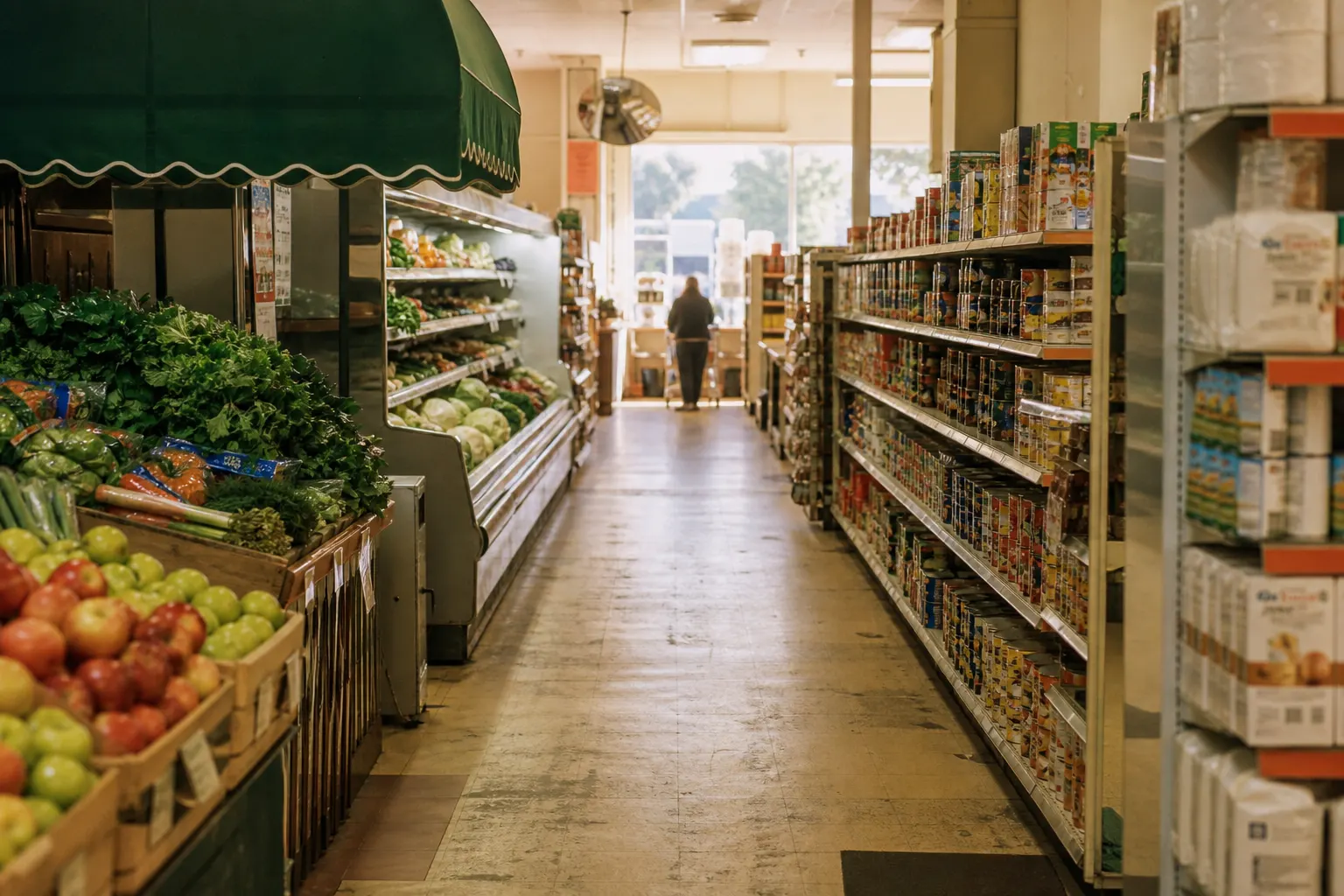
Seller note — Deferred purchase price the seller finances. Common on independent grocery because inventory at cost is its own check and because a lender will not always fund every dollar of goodwill plus the room. Interest, default, standby, and how a count true-up changes principal belong in the APA and the note — not in a parking-lot promise.
Grocery Store Business Broker — HedgeStone Business Advisors, led by Jason Taken — wants cash-at-close, the note, and the inventory rule on one page. Book a confidential intro with that math. Buying with seller financing and how much to carry are the longer notes. How is seller financing structured is the short question.
A grocery close is usually goodwill and fixtures on one line and the stockroom on another. Buyers run out of cash on the room. Sellers who need a clean check for the whole number wait longer. A note is how those files still move. It is not a gift. It is credit the seller underwrites to the buyer.
BizBuySell’s 2025 grocery and supermarket sold sample shows an average earnings multiple of 3.38, a five-year average of 2.66, and an interquartile range of 1.60 to 3.15. Those multiples describe recast earnings on sold listings. They are not a table of how large a note “should” be. Structure the note after you believe SDE, not instead of believing it.
Compare offers on cash at close, note terms, inventory treatment, and license risk — not on headline price alone. Is seller financing better than SBA is a false fork when many files use both.
SBA 7(a) publishes a $5 million maximum and lists change of ownership as an eligible use. Many grocery 7(a) closings still need the seller to wait on principal so debt service covers the guaranteed loan. That wait is a standby agreement. What is a standby seller note is the definition. If the seller’s retirement plan assumes monthly principal on day one, the SBA structure will not match. This page does not invent SOP percents. Read what the lender requires.
A note that is not subordinated when the bank requires standby will blow up the close. Put standby in the LOI so no one is surprised in week ten.
An earn-out is a different tool: extra price if scan hits a target. Do not call an earn-out a note. Do not call a note an earn-out. Grocery earn-outs are hard because the buyer controls mix after Monday.
Count night moves the inventory check. Say whether a short count reduces cash, reduces the note, or both. Say what unsellable means. Silence here is how Monday starts with a fight. Default: acceleration, cure, and what happens if the buyer stops paying while still running the banner. Collateral, if any, is a counsel item. Grocery Store Business Broker does not draft notes and does not list a state brokerage license here.
Family or manager deals still need a real note. Soft language creates hard lawsuits. Selling to someone you know is not a reason to skip the exhibit.
When cash-at-close, standby language, and the inventory true-up rule are drafted, Book a confidential intro. The hour is for a note that can close next to a grocery loan — not for a handshake that a 7(a) lender will not fund.
Use this napkin recast on Seller note on a grocery sale when you book the call. It is labeled illustrative. BizBuySell's 2025 grocery sold-business earnings multiple averaged 3.38, with a 2021-2025 IQR of 1.60-3.15.
| Input or output | Illustrative figure |
|---|---|
| Weekly sales (illustrative) | $78,000 |
| Annual sales | $4,056,000 |
| Recast SDE | $166,296 (4.1% of sales) |
| Inventory at cost | $225,333 (~18 turns) |
| Occupancy check | $89,232 / year (2.2% of sales) |
| Low going-concern | $582,869 at 2.15x SDE + inventory |
| High going-concern | $674,332 at 2.70x SDE + inventory |
| Sketch DSCR on a note | 1.37 |
Rent at 2.2% of sales is the occupancy check. If the real lease is higher, the SDE in this table is too generous until you recast to market rent.
Book the intro call with your side of the table ready: seller files or buyer capital. The calendar is the only next step.
Print these, mark them up, and bring the marked copy to the intro. They are educational. They are not a valuation letter and not a listing. All downloadable guides.
Have the file ready so the hour is a recast, not a scavenger hunt. Then pick a time.
Get a specialist on the other side of the table
Grocery deals turn on licenses, inventory, and a recast a lender will believe. Book the intro and bring the file.
Book an Intro Call With Jason TakenBecause the stockroom is a second check and lenders often will not fund every dollar of goodwill plus inventory. The seller finances the gap on written terms.
A lender-required promise that the seller waits on principal — sometimes interest-only — so bank debt service still covers. Read the standby. Folklore does not close SBA.
No. Rate, term, default, collateral if any, and how the inventory true-up adjusts principal belong in the APA and the note. Handshakes become lawsuits.
Not automatically. A note is structure. Recast earnings still set the conversation. BizBuySell’s grocery sample is a sold-earnings multiple, not a note-size table.
Start a confidential grocery conversation
Whether you are exiting or acquiring, pick a time and we will talk through the file.
Book an Intro Call With Jason TakenThis page is educational information from Grocery Store Business Broker (HedgeStone Business Advisors). It is not legal, tax, or investment advice. Licensing, tax, and financing rules vary by state and deal. Confirm every item with counsel and your lender before you sign.
Ready when you are. Jason Taken will talk through the file.
Book a confidential intro