Is EBT volume the same as SNAP authorization?
No. Volume is what hit the rail. Authorization is the FNS permit for this owner at this address. A busy EBT week does not move the permit to the buyer.
Grocery Store Business Broker · HedgeStone Business Advisors · Jason Taken
Last updated 2026-09-04
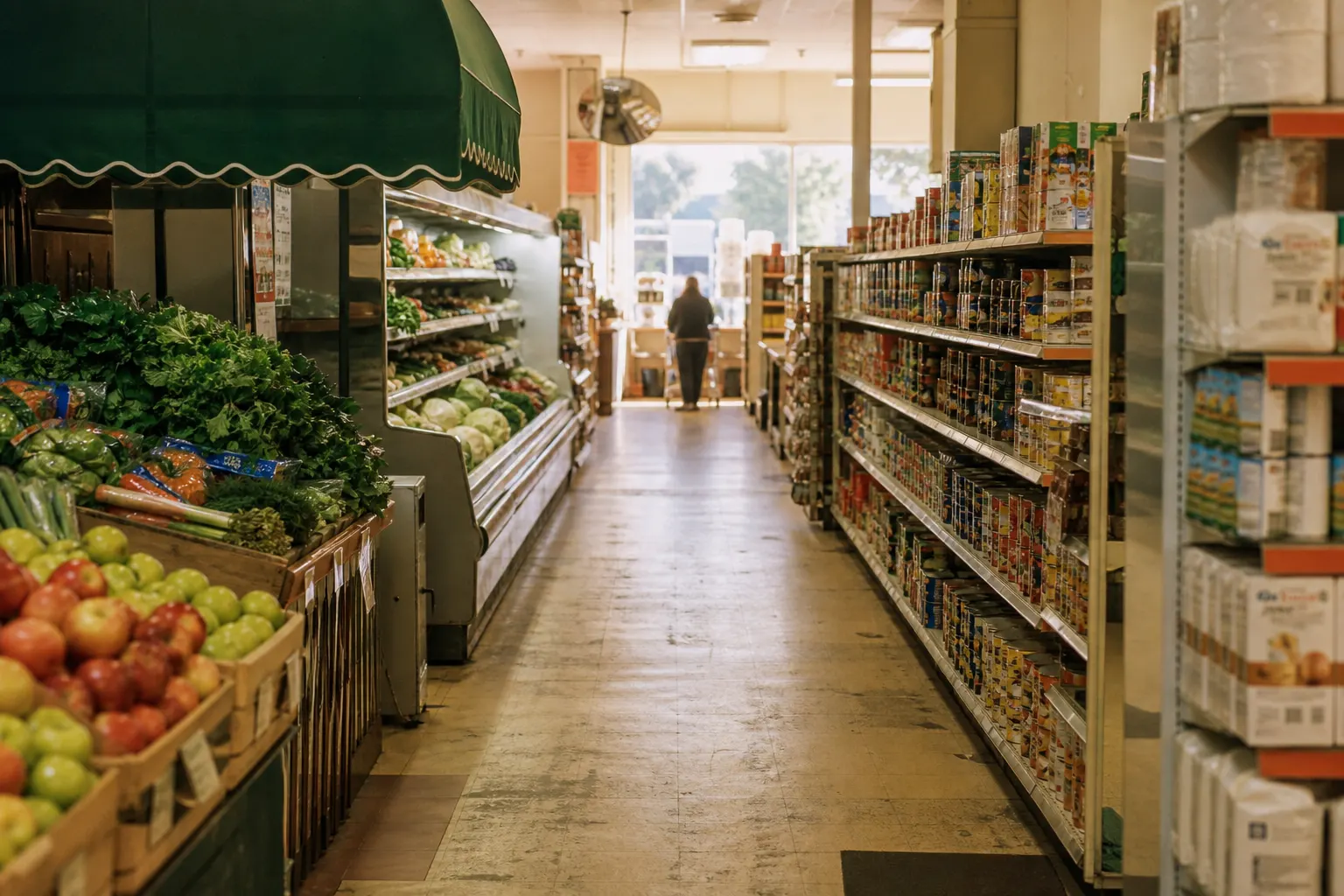
EBT — Electronic Benefit Transfer: the card rail that delivers SNAP, and in some states other benefits, at the grocery register. Volume on that rail is mix. SNAP retailer authorization is a USDA Food and Nutrition Service permit. USDA FNS states that SNAP authorization does not transfer: the permit is valid only for the location and owners on record, and a new owner may not use the seller’s permit.
Pull the settlement reports next to scan data before you argue the week. Grocery Store Business Broker — HedgeStone Business Advisors, led by Jason Taken — treats EBT as proof and as a clock, not as a transferable asset. Book a confidential intro when you can show the rail and the filing plan.
Shoppers swipe a card. The processor settles funds. That is EBT. FNS authorized this legal owner at this address to accept SNAP. That is the permit. What happens to SNAP authorization when you sell is the ownership-change page. EBT and SNAP due diligence is the file room.
A CIM that boasts “strong EBT” without a new-owner application plan is describing last year’s rail. The buyer still files. How to apply for SNAP as a new owner is the practical next step. WIC is a separate vendor file. Lottery is often a personal contract. Do not bundle those three into “the EBT license.”
The processor is another file. Terminals, merchant IDs, and who is on the ISO contract can all need a new application even after FNS acts. Put the processor name on the vendor list next to the baker and the bottler. A store that “just keeps the old dongle” is betting Monday’s rail on a merchant account that still names the seller.
Ask for EBT settlement reports that cover the same months as the P&L. Totals should sit next to tender mix. A store that claims heavy SNAP and shows thin EBT deposits is telling you mix, downtime, or fiction. A store that shows heavy EBT and thin food sales is telling you a compliance story. How to check EBT compliance history belongs in diligence.
Settlements also teach seasonality. Benefit-issuance weeks are not a secret add-back. They are the calendar. A buyer who annualizes a peak issuance week will overstate the year. A seller who hides a sanction or a warning letter will have that letter found.
Do not treat EBT deposits as cash you can spend twice. They are tender. They still have to buy inventory and payroll like any other tender. Chargebacks and compliance letters belong in the same folder as the settlements. A clean rail with a warning letter is still a diligence fact.
Write the SNAP clock into the LOI and the APA: the buyer files, the seller cooperates, and no one treats the old permit as sold property. Budget working capital for a quiet rail. Tell the landlord the week may soften while FNS processes the file. That is a cash-flow gap, not an add-back.
Put the FNS filing and the processor change on an APA schedule with names, not with “buyer will handle benefits.” Cashiers who already know issuance week are part of the transition, not a footnote.
If you have settlements and a draft filing timeline, bring them. Book the intro with those pages and an honest guess at SNAP’s share of the week. The hour is for the rail you can prove and the permit you still have to obtain.
Price language for EBT at the grocery register is (recast SDE x a defendable multiple) + inventory at cost, plus or minus lease and license risk. The table is one consistent example for this URL.
| Input or output | Illustrative figure |
|---|---|
| Weekly sales (illustrative) | $168,000 |
| Annual sales | $8,736,000 |
| Recast SDE | $454,272 (5.2% of sales) |
| Inventory at cost | $728,000 (~12 turns) |
| Occupancy check | $235,872 / year (2.7% of sales) |
| Low going-concern | $1,500,262 at 1.70x SDE + inventory |
| High going-concern | $2,158,957 at 3.15x SDE + inventory |
| Sketch DSCR on a note | 1.52 |
Rent at 2.7% of sales is the occupancy check. If the real lease is higher, the SDE in this table is too generous until you recast to market rent.
Book the intro call with your side of the table ready: seller files or buyer capital. The calendar is the only next step.
Print these, mark them up, and bring the marked copy to the intro. They are educational. They are not a valuation letter and not a listing. All downloadable guides.
Have the file ready so the hour is a recast, not a scavenger hunt. Then pick a time.
Get a specialist on the other side of the table
Grocery deals turn on licenses, inventory, and a recast a lender will believe. Book the intro and bring the file.
Book an Intro Call With Jason TakenNo. Volume is what hit the rail. Authorization is the FNS permit for this owner at this address. A busy EBT week does not move the permit to the buyer.
USDA FNS is clear that SNAP authorization does not transfer. The new owner must file. Planning to run the old permit after close is how the aisle goes quiet.
Settlement totals should reconcile to tender mix and the P&L. A gap is mix, downtime, or fiction. [Checking EBT compliance history](/questions/how-do-i-check-ebt-compliance-history/) is the compliance room.
That authorization is a close condition, that the buyer will file, and that neither party will treat the seller’s permit as an asset. [Applying for SNAP as a new owner](/questions/how-do-i-apply-for-snap-as-a-new-owner/) is the next page.
Start a confidential grocery conversation
Whether you are exiting or acquiring, pick a time and we will talk through the file.
Book an Intro Call With Jason TakenThis page is educational information from Grocery Store Business Broker (HedgeStone Business Advisors). It is not legal, tax, or investment advice. Licensing, tax, and financing rules vary by state and deal. Confirm every item with counsel and your lender before you sign.
Ready when you are. Jason Taken will talk through the file.
Book a confidential intro