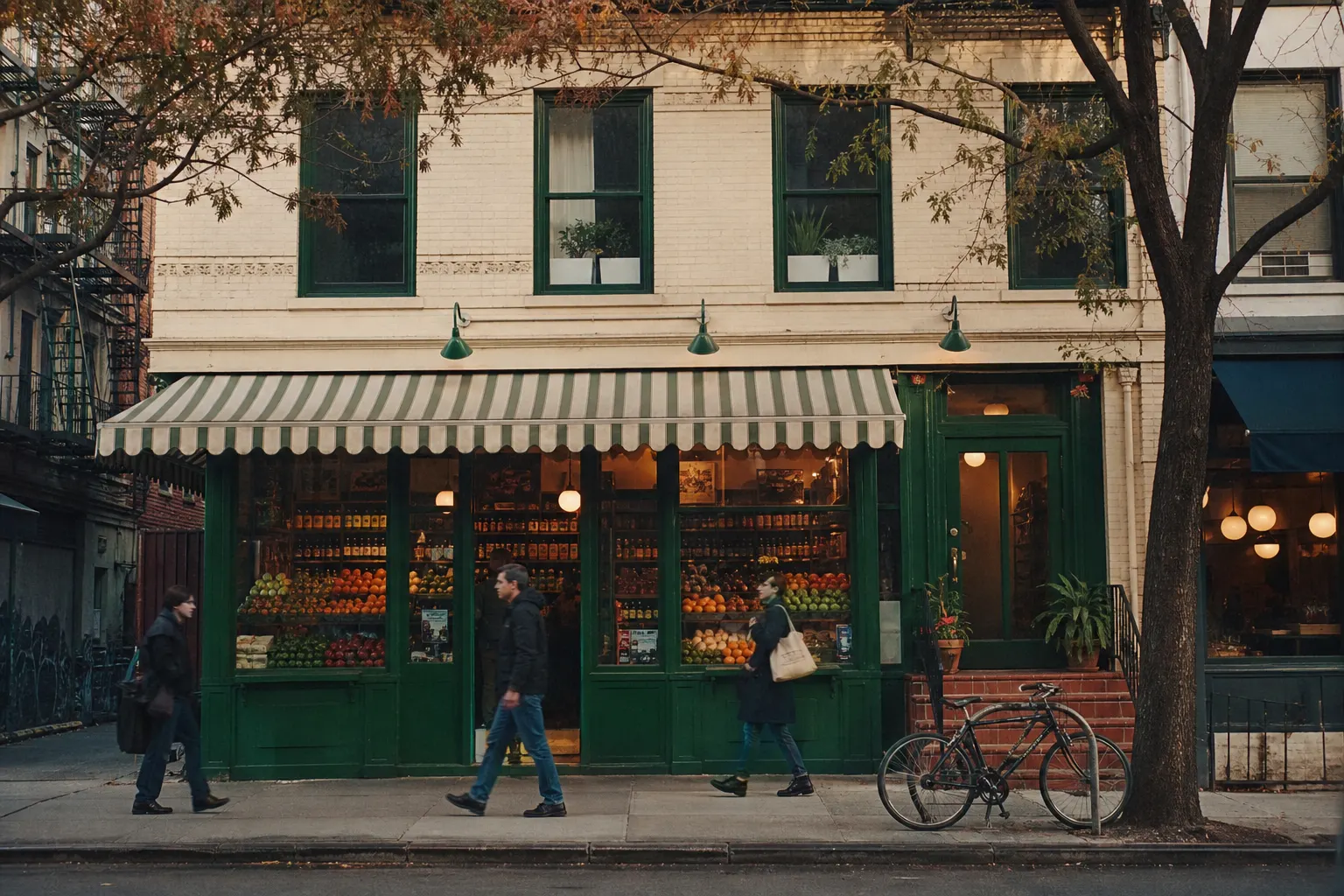
Giant Eagle’s circular and Heinen’s perimeter already shape how many Cuyahoga shoppers move. An independent on Clark-Fulton or the East Side still sells when the week is real, the lease assigns, and Ohio Division of Liquor Control permits match the CIM. Grocery Store Business Broker — HedgeStone Business Advisors, led by Jason Taken — packages that neighborhood file as a quiet Cuyahoga deal, not as a statewide Ohio slogan. Book a confidential intro with the permit class, the City or County health desk named, and three years of P&Ls. Email jason.taken@hedgestone.com if you want the hour written down.
Statewide Ohio maps live on sell a grocery store in Ohio and buy a grocery store in Ohio. This essay stays on the Lake Erie metro: West Side Hispanic independents, East Side neighborhood boxes where conventional banners thinned, Marc’s discount pressure, and Ohio’s $11.00 wage floor on the recast.
Clark-Fulton is not an East Side access slogan
The West Side and Clark-Fulton are documented Hispanic independent territory. Language on the floor and a restockable vendor list are the diligence. A Giant Eagle multiple does not travel onto that mix. Buying an ethnic market outside your community is the caution. Sell a Hispanic grocery if that is the book.
East Side neighborhood independents sit where conventional banners are thinner. That can be opportunity. It can also be a week that never grew. This research pack did not extract USDA Food Access Research Atlas flags, so this page does not cite a tract count. Underwrite a full year of scan and EBT settlement — verifying sales with scan data. A store that rings a real neighborhood week can be a going concern. A store that rings a hope will not become one because the banners left.
Do not invent a population percentage for either stretch. Hispanic independents on Clark Avenue stock different SKUs than East Side boxes that live on neighborhood staple mix. A buyer who wants “a Cleveland independent” without naming the corridor is not underwriting. Walk the invoices. If you cannot restock what is on the shelf, you are buying a lease and a hope. Wholesaler and banner agreements when you sell covers drop minimums and over-advances.
Regional banners without regional math
Giant Eagle, Heinen’s, Aldi, and Marc’s are competitive context. Heinen’s is a regional perimeter banner. Marc’s is a regional discount banner. None of them are live listings on this page. Walk the set. See what they take from the week and what they leave. Then return to this scan file and this remaining lease term.
An independent that names which of those four it still beats — hours, language, SKUs, or a neighborhood the banners left — can still recast. An independent that tries to beat all four on labor will donate the week. Pull department grosses. Write the nearest banner of each type as context. Do not write them into the CIM as if they were for sale.
Eligible food for home consumption is generally exempt from Ohio state sales tax; prepared food is taxable. On a Clark-Fulton or East Side file, confirm Ohio Department of Taxation ST food releases against the hot case and show two remittance lines. Ask revenue counsel about bulk-sale notice, tax clearance, or successor-liability holdback on a Cuyahoga asset sale — tax clearance.
Cuyahoga payroll should reflect Ohio’s $11.00 wage on the July 1, 2026 WHD table unless the store’s receipts sit under the $405,000 footnote that drops to $7.25. Recast labor on what this store pays. Confirm Ohio DWS posters. A neighborhood independent that clears the receipts threshold should not hide behind the footnote.
Quiet packaging on a tight block
Finish recasting a grocery P&L before anyone argues a multiple: restore owner pay, invoice-backed one-time repairs only, pull personal spend, third-party rent if you own the dirt and undercharge yourself. Unpaid family hours stay in the number. Preparing three years of financials ties the week to filings.
How to sell a grocery store confidentially starts with counsel and a CPA, then a blind teaser that names a part of metro and a format — not the only neighborhood box on the East Side. Funded operators see the CIM after NDA. Managers hear when assignment, local option, or transition hours need them. A vestibule sign on Clark Avenue teaches the street before a buyer has signed.
FMI’s 2.1 percent average net for food retailers in 2025 is channel context — not a Cleveland sold-comp. Trade-talk independent net bands are not an official NGA primary statistic in this research pack. Build SDE from this file, not from a national average week.
Liquor Control, local option, and two health desks
Cuyahoga diligence on alcohol is less about restating the statewide control map and more about the option election on this block. Division of Liquor Control still has to approve the incoming permittee. Beer and wine are the everyday grocery privileges; if the store is an agency spirits location, treat that contract as its own closing condition and its own friction. Do not assume a neighboring precinct’s privilege. State-by-state alcohol regime and liquor license due diligence stay on the reading list.
Retail food sits with the Ohio Department of Health and local health districts. Cuyahoga County health and City of Cleveland health are different desks. Call the authority that holds the current permit. A CIM that says “Cleveland health” without City or County is incomplete. Tobacco sits with the Ohio Department of Taxation. Ohio Lottery is a separate file if tickets are on the counter. WIC sits with the Ohio Department of Health.
USDA FNS will not move the seller’s SNAP retailer authorization onto a Cleveland buyer. File a new retailer application and pad cash if EBT is material. Write the filing into the LOI. What happens to SNAP authorization when you sell is the federal rule.
SBA 7(a) can finance a change of ownership up to the published $5 million maximum. The lender wants assignment language and a finishable license path — SBA 7(a) for grocery acquisitions. Write the person who will stand in the store into the CIM. Buying as a first-time owner is the honesty check.
Occupancy from the lease you signed
This pack left Cleveland asking rent null. Do not invent a dollar-per-foot. FMI’s $19.59 weekly sales per selling square foot is channel productivity, not a Cuyahoga rent quote. Model occupancy from base, CAM, tax, and insurance on this lease divided by this store’s sales. Lease due diligence covers assignment, remaining term, options, and landlord rent recasts. Most city boxes lease; some older neighborhood stores own the building. Selling with a lease versus real estate keeps those piles apart.
Inventory is counted at cost at close. How inventory is counted at closing is the night procedure. Department the room. Hold back unsellable. A wholesaler over-advance is debt. Write who opens and who cuts meat into the LOI if those people are the recast — handling employees, union contracts, and WARN and transition and training periods.
National sample on a Cuyahoga file
BizBuySell’s national grocery sold bands — 3.38 (2025), 2.66 (five-year), IQR 1.60–3.15, revenue 0.43 — attach to recast earnings on a listing-site sample. They are not a Giant Eagle multiple and not your ask. The valuation hub and how to value a grocery store are the method.
Buyers shopping an Ohio search should treat Cleveland as files, not as a listings board and not as a blend with Cincinnati or Columbus. Sequence Division of Liquor Control approval, local-option confirmation, the correct City or County health desk, SNAP filing, and landlord consent as dated steps. If the store is an agency or contract spirits location, give that contract its own paragraph. The LOI terms that matter for buyers is the longer list.
Food-access sites without invented tract counts
This research pack did not extract USDA Food Access Research Atlas flags for Cleveland. Do not invent a tract count or a “food desert premium.” Underwrite the week you can prove with scan and EBT settlement. An East Side box with thinner Giant Eagle coverage can still be a going concern — or a hope. Thirteen months of weekly scan is how you tell the difference. Verifying sales with scan data is the discipline. Competition analysis and trade-area math is how you name trips Heinen’s and Marc’s still leave.
Agency or contract spirits, if present, are a separate relationship from a beer-and-wine grocery permit. Name the class. Price any contract friction separately from store SDE. A hoped-for spirits set that the permit does not allow is not an add-back. Ohio Lottery and tobacco with the Ohio Department of Taxation are separate closing conditions — WIC, lottery, and tobacco transfer checklists.
Anatomy of a grocery store P&L and shrink, margin, and turns show whether dry grocery is carrying produce on Clark-Fulton. Surviving due diligence is the seller companion when a Cleveland buyer asks for City versus County health and the local-option map on the same address. Timeline to sell a grocery store should show Division of Liquor Control, local option, the correct health desk, and FNS as dated steps.
Do not paste a Cincinnati Kroger-headquarters story onto this Cuyahoga file. This page’s competitive set is Giant Eagle, Heinen’s, Aldi, and Marc’s. The qualitative corridors are West Side / Clark-Fulton and East Side neighborhood independents. Employee transition is a people file — write who opens and who cuts meat into the LOI if those people are the recast. Prepared food versus exempt grocery should appear as two remittance lines on the Ohio Taxation tape. Confirm the health desk and the local-option map on the same address before you write the closing Tuesday. A hoped-for East Side “access premium” without scan support is not an add-back.
Agency spirits contracts and the lottery counter
If the Cuyahoga box is an agency or contract spirits location, give that contract its own paragraph and its own closing condition. It is not the same asset as a beer-and-wine grocery permit. Price any contract friction separately from store SDE. A hoped-for spirits set the permit does not allow is not an add-back.
Ohio Lottery, if tickets sit on the counter, is a separate retailer file. Tobacco sits with the Ohio Department of Taxation. WIC sits with the Ohio Department of Health. Put those desks on the same dated sheet as Division of Liquor Control and the City or County health stamp. Prepared food versus exempt grocery should appear as two remittance lines on the Ohio Taxation tape.
Lake-effect winters change produce turns even south of the lake. Ask for a full year of weekly scan so one mild winter cannot hide the next. Do not invent a shrink percent. Schedule the inventory night for the week you actually close. Verifying sales with scan data keeps seasonality honest without a fake percentage.
East Side boxes with thinner conventional banners need an honest week, not a slogan about access. A store that rings a real neighborhood week can be a going concern. A store that rings a hope will not become one because Giant Eagle left. Write who opens and who cuts meat into the LOI when those people are the recast.
Book the Cleveland intro
Bring three years of P&Ls, the lease, the last health inspection, and the liquor permit class. Grocery Store Business Broker will not invent a metro population, a grocery-density figure, a rent range, or a food-access tract count. We will recast the store you run and map Ohio liquor control, the correct health desk, SNAP, and occupancy from this lease.
Book a confidential intro to start that file. Email jason.taken@hedgestone.com if you want the hour in writing. About Jason Taken is the desk. Bring the health desk name and the permit class. The next step is the scan year and the local-option map, not a sign in the vestibule.
How a buyer would price Underwrite a Cleveland grocery where banners thinned out
Price language for Underwrite a Cleveland grocery where banners thinned out is (recast SDE x a defendable multiple) + inventory at cost, plus or minus lease and license risk. The table is one consistent example for this URL. Metro pages talk corridors and operators. They do not invent asking rents or establishment counts.
Inventory is cash at close, not a multiple. Confusing the two is how sellers over-ask and buyers under-cash the wire.
Book the intro call with your side of the table ready: seller files or buyer capital. The calendar is the only next step.
This page is educational information from Grocery Store Business Broker (HedgeStone Business Advisors). It is not legal, tax, or investment advice. Licensing, tax, and financing rules vary by state and deal. Confirm every item with counsel and your lender before you sign.