Can Connecticut grocery sell wine and spirits with the store?
Usually no. Grocery beer is common; wine and spirits generally stay in package stores. Verify the permit class with DCP Liquor Control. Transfer is not automatic.
Grocery Store Business Broker · HedgeStone Business Advisors · Jason Taken
Last updated 2026-09-04
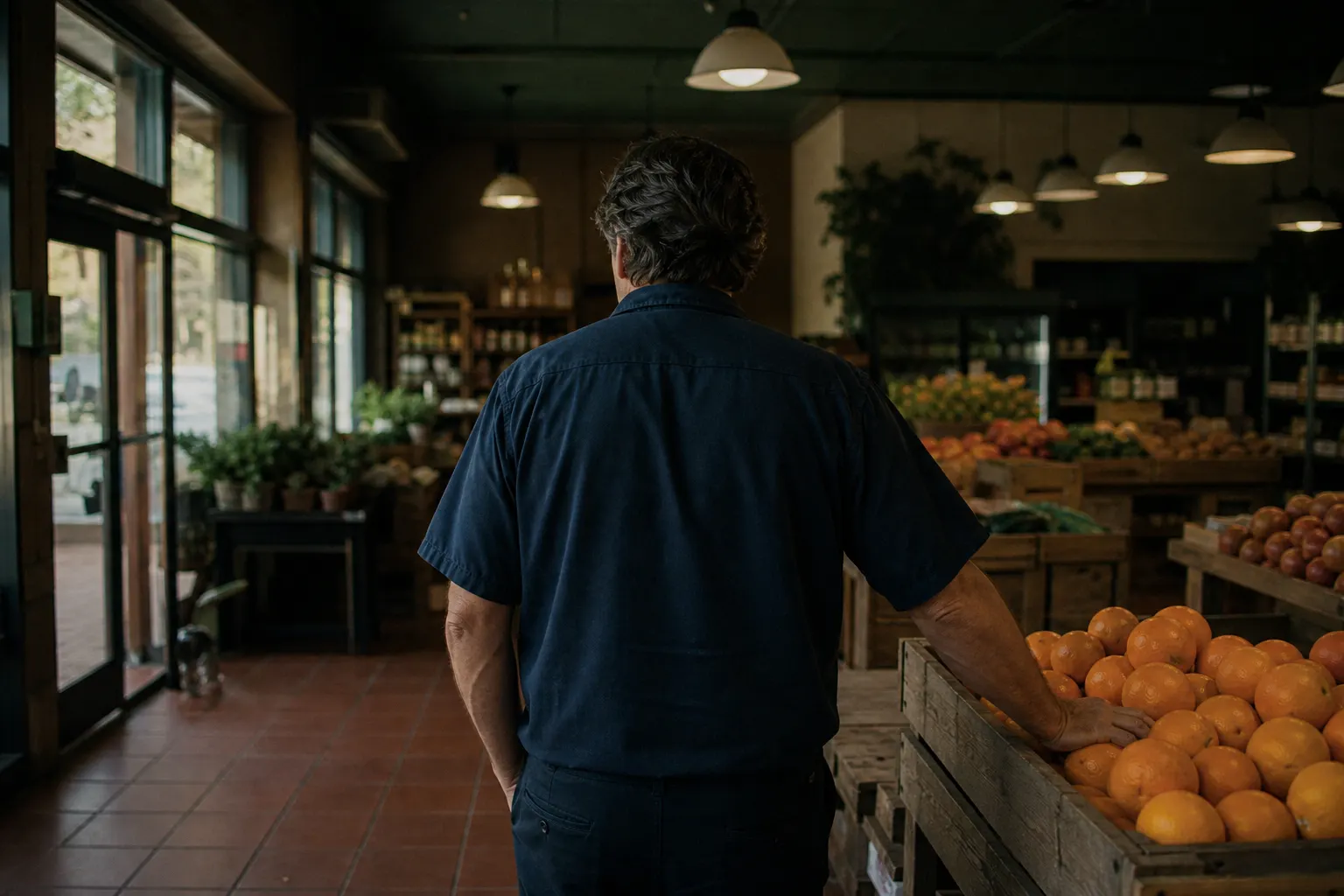
Connecticut grocery exits are New England permit stories: beer may sit on the grocery set while wine and spirits stay across the street in a package store, and Fairfield County occupancy can erase a labor story that looked fine in New Haven. If you own the store, start with a P&L recast and a confidential process before anyone on the floor hears. Book a confidential intro when you want DCP, DRS, and landlord consent sequenced. Email jason.taken@hedgestone.com to hold the hour.
Grocery Store Business Broker — HedgeStone Business Advisors, led by Jason Taken — works both sides of Connecticut files. Buyers still scanning should open buy a grocery store in Connecticut. This essay is for sellers: how package-store rules, meal tax, and shoreline versus capitol trade areas change the quiet path out.
Census County Business Patterns 2023 counts 767 NAICS 445110 establishments in Connecticut. Census Vintage 2024 estimates 3,675,069 residents as of July 1, 2024. Use those figures for industry scale and trade-area depth—not as a for-sale board. SDE from this store is the underwriting number.
Connecticut Department of Consumer Protection Liquor Control Division runs the permit desk. Grocery beer is common. Wine and spirits generally stay in package stores. Package-store density rules exist. DCP must approve a permit transfer; it is not automatic with the asset purchase. Do not write a wine or spirits aisle into the CIM unless the permit class allows it on this address. Liquor license due diligence covers the longer process.
Food permits sit with the Connecticut Department of Public Health and local health districts. A Hartford district letter does not satisfy a Fairfield County district. Tobacco sits with Connecticut Department of Revenue Services. Connecticut Lottery Corporation tickets are a separate counter file. WIC sits with the Connecticut Department of Public Health — WIC. Name the health district after NDA; keep early teasers regional.
Connecticut generally exempts grocery food from sales tax. Prepared meals and many heated or ready-to-eat items are taxable. Confirm DRS meal and food guidance for this deli mix. A CIM that blends exempt grocery with taxable prepared food into one remittance line invites a buyer fight later.
Confirm DRS tax clearance and successor-liability practice on the asset sale. Counsel should pull current notice language and any escrow holdback. Paid-leave and wage rules also belong in the labor paragraph: the WHD table effective July 1, 2026 lists Connecticut at $16.94. Recast on what this store pays. Confirm Connecticut DOL posters. A Fairfield County crew already above that floor should not be modeled as if it can drop overnight.
Hartford–New Britain is the capitol region with Caribbean and Latino corridors beside neighborhood independents. New Haven is a university city with specialty and neighborhood boxes. Fairfield County is high-income suburban territory where occupancy cost is often the underwriting issue. New London / shoreline mixes smaller independents with casino-adjacent trade. Those are qualitative notes from the research pack. Do not invent metro population shares or asking rents; rent fields remain null here.
Underwrite the corridor you actually serve. A Hartford Caribbean mix is not a Fairfield County specialty week. Buying an ethnic market outside your community is the caution when the buyer is not from the neighborhood.
Stop & Shop (Ahold Delhaize), ShopRite (Wakefern), Big Y, and Aldi frame competition. Walk their sets. Return to this scan file. A ShopRite multiple does not travel onto a capitol-region independent. Trying to match banner labor hours on a thin shoreline week donates margin.
Wakefern Food Corp., C&S Wholesale Grocers, and UNFI appear as named wholesalers. A Wakefern-linked ShopRite is not your independent, and a C&S account is not a listing. Wholesaler consent has its own clock—see wholesaler and banner agreements when you sell. Put membership or deposit dollars in the CIM when they exist.
Start with counsel and a CPA. Draft a blind teaser that names a Connecticut region, a format, and inventory at cost—not the only Latino or Caribbean independent on that street. After NDA, the CIM should carry departmental sales, the lease abstract, and the liquor permit class. Assignment and transition hours are when managers need to know—not earlier.
Clean owner compensation, one-time repairs, and personal items out of the earnings story. Move related-party rent to market if the next operator will pay a third-party landlord. Do not treat standing inventory as an add-back. Tie the week to filings with three years of financials and scan-data verification. Count inventory at cost at close per closing inventory procedure. Hold back unsellable. Treat warehouse over-advances as debt.
Federal SNAP authorization ends with the seller’s ownership. The buyer files a new USDA FNS retailer application. Write that filing into the LOI and plan cash for any EBT gap. This research pack left SNAP retailer counts null—do not invent a Connecticut SNAP census. See SNAP authorization when you sell. Hartford and New Haven food-access tracts may touch federal HFFI notices—verify current programs rather than inventing a dollar figure.
Hartford Caribbean and Latino corridors often win on language and hours that Stop & Shop and ShopRite leave thin. New Haven university demand can support specialty independents that look odd beside a capitol-region mix. Fairfield County specialty boxes can ring strong sales and still fail underwriting when occupancy eats SDE—model the rent stack before celebrating the week. New London / shoreline independents near casino trade can show different weekend patterns than inland boxes. Connecticut Lottery Corporation tickets, when present, are a separate counter file from the grocery beer permit. Tobacco sits with DRS—confirm rather than assuming a package-store tobacco story belongs on the grocery asset.
Divide occupancy cost (base, CAM, tax, insurance) by this store’s sales from the lease and P&L. Do not invent a dollar-per-square-foot rent for Fairfield County or anywhere else. National listing-site multiples are method context only—not a Connecticut sold-comp. Build the argument from recast earnings on the valuation hub and how to value a grocery store.
Lease due diligence covers assignment, remaining term, options, co-tenancy, and use. Landlord rent rewrites as the price of consent change SDE. If the seller owns the building, defend a market rent for the store and price real estate as a second asset—lease versus real estate. Use SBA 7(a) for grocery acquisitions only when the week can carry the note; Fairfield occupancy breaks many debt stories that look fine inland. A Hartford Caribbean mix that depends on a deli crew should write those hours into the LOI. A New Haven specialty independent should not be priced as if package-store wine cash flow rides with the grocery beer permit.
Put DCP Liquor Control approval, the correct health district, SNAP filing, DRS clearance practice, and landlord consent on dated LOI steps—seller LOI priorities. Write post-close training hours that protect a Hartford mix—transition hour drafting. Handle employee transition with staff and WARN notes when those rules apply. Name who opens and who runs the deli if those people are the recast.
Connecticut diligence fights after NDA usually start with the liquor permit class and the deli remittance tape. Grocery beer is common. Wine and spirits generally stay in package stores under DCP Liquor Control. Package-store density rules exist. A CIM that invents a wine aisle invents earnings. Verify the permit class on this address before alcohol cash flow appears.
DRS meal and food guidance separates exempt grocery from taxable prepared meals and many heated or ready-to-eat items. Fairfield County and Hartford remittance mixes are not interchangeable. Show the tape. Confirm DRS tax clearance and successor practice on the asset sale with counsel—do not treat a quiet sales-tax story as a missing tax file.
Fairfield County occupancy is often the underwriting issue. High-income suburban boxes can carry rent stacks that erase a labor story that looked fine in New Haven or New London. Pull occupancy from this lease and this P&L only. Do not invent dollar-per-square-foot rent. National listing-site multiples are method context—not a Connecticut sold-comp. Argue from recast earnings on the valuation hub and grocery valuation method.
Hartford–New Britain Caribbean and Latino corridors stock differently from New Haven university specialty boxes. New London / shoreline mixes smaller independents with casino-adjacent trade. Stop & Shop, ShopRite, Big Y, and Aldi frame competition—walk their sets, then return to this scan file. A ShopRite multiple does not travel onto a capitol-region independent. Wakefern, C&S, and UNFI consent clocks and deposits belong in the CIM.
Labor at the WHD $16.94 floor (effective July 1, 2026) is a floor. Recast on actual wages and Connecticut DOL paid-leave posters. A Fairfield crew already above the floor should stay in the model. Federal HFFI notices may touch Hartford or New Haven tracts—verify rather than inventing subsidy dollars. Landlord assignment priced as a rent rewrite changes SDE. Owned dirt is a second pile from draft one. Inventory still counts at cost at close—department the room and hold back unsellable.
Blind teasers should name a Connecticut region and format without identifying the only Caribbean or Latino independent on that street. After NDA, deliver departmental sales, the lease abstract, and the permit class. Managers hear when assignment or transition hours require them. SNAP authorization ends with the seller; the buyer files a new USDA FNS application—write that into the LOI and plan cash for any EBT gap. This research pack left SNAP retailer counts null.
Buyers on a Connecticut search should treat Hartford, New Haven, Fairfield, and shoreline as separate files. This site does not publish live Connecticut inventory. Demand a year of scan and EBT settlement. Confirm meal-tax remittance and the permit class on the same address before naming a closing Tuesday. A Fairfield specialty week that looks strong on sales can still fail when CAM and taxes rewrite occupancy—show the full rent stack. A Hartford Caribbean mix should not be priced as if Big Y or Aldi multiples travel onto that corridor. Package-store density rules can make a hoped-for wine transfer impossible; verify DCP before LOI. Local health-district letters are not interchangeable across Fairfield and Hartford—name the district after NDA. DRS meal-tax lines on prepared food should match the deli mix the buyer will underwrite.
Bring three years of P&Ls, the lease, the last health inspection, and the liquor permit class. Grocery Store Business Broker will not invent grocery density, rent ranges, or SNAP-retailer counts. We recast the store you run and map DCP, the health district, SNAP, and occupancy from this lease. Book a confidential intro. Email jason.taken@hedgestone.com for the hour in writing. About Jason Taken is the desk. Lead with the recast—not a package-store rumor.
Price language for Sell the Connecticut independent package stores leave alone is (recast SDE x a defendable multiple) + inventory at cost, plus or minus lease and license risk. The table is one consistent example for this URL. State pages add the tax, wage, and alcohol-agency facts for this jurisdiction. They do not invent a local sold-comp set.
| Input or output | Illustrative figure |
|---|---|
| Weekly sales (illustrative) | $228,000 |
| Annual sales | $11,856,000 |
| Recast SDE | $616,512 (5.2% of sales) |
| Inventory at cost | $658,667 (~18 turns) |
| Occupancy check | $343,824 / year (2.9% of sales) |
| Low going-concern | $1,891,691 at 2.00x SDE + inventory |
| High going-concern | $2,600,680 at 3.15x SDE + inventory |
| Sketch DSCR on a note | 1.54 |
Rent at 2.9% of sales is the occupancy check. If the real lease is higher, the SDE in this table is too generous until you recast to market rent.
Bring three years of P&Ls, weekly sales, and the lease abstract to the intro call. Jason will tell you whether this band is even in the conversation.
Print these, mark them up, and bring the marked copy to the intro. They are educational. They are not a valuation letter and not a listing. All downloadable guides.
Have the file ready so the hour is a recast, not a scavenger hunt. Then pick a time.
Get a grounded read on what buyers will pay
We recast SDE, separate inventory at cost, and price license risk. Download the seller playbook, then put 30 minutes on the calendar.
Get a Free Grocery Store Valuation ConversationUsually no. Grocery beer is common; wine and spirits generally stay in package stores. Verify the permit class with DCP Liquor Control. Transfer is not automatic.
Connecticut generally exempts grocery food from sales tax. Prepared meals and many heated or ready-to-eat items are taxable. Confirm DRS meal and food guidance for this deli mix and show remittance separately.
Stop & Shop, ShopRite, Big Y, and Aldi are competitive context. They are not live listings and not a Connecticut sold-comp.
The U.S. Department of Labor WHD table effective July 1, 2026 lists Connecticut at $16.94. Recast on what this store pays. Confirm Connecticut DOL paid-leave and wage-and-hour posters.
Recast first. Circulate a blind teaser under NDA that names a capitol-region format and inventory at cost—not the only Caribbean or Latino box on that stretch.
Sell on your terms, not on a listing site
HedgeStone Business Advisors runs a quiet process: recast, qualified operators, and a close that survives the count. The only next step is the intro call.
Book a Confidential Seller ConsultationThis page is educational information from Grocery Store Business Broker (HedgeStone Business Advisors). It is not legal, tax, or investment advice. Licensing, tax, and financing rules vary by state and deal. Confirm every item with counsel and your lender before you sign.
Ready when you are. Jason Taken will talk through the file.
Book a confidential intro