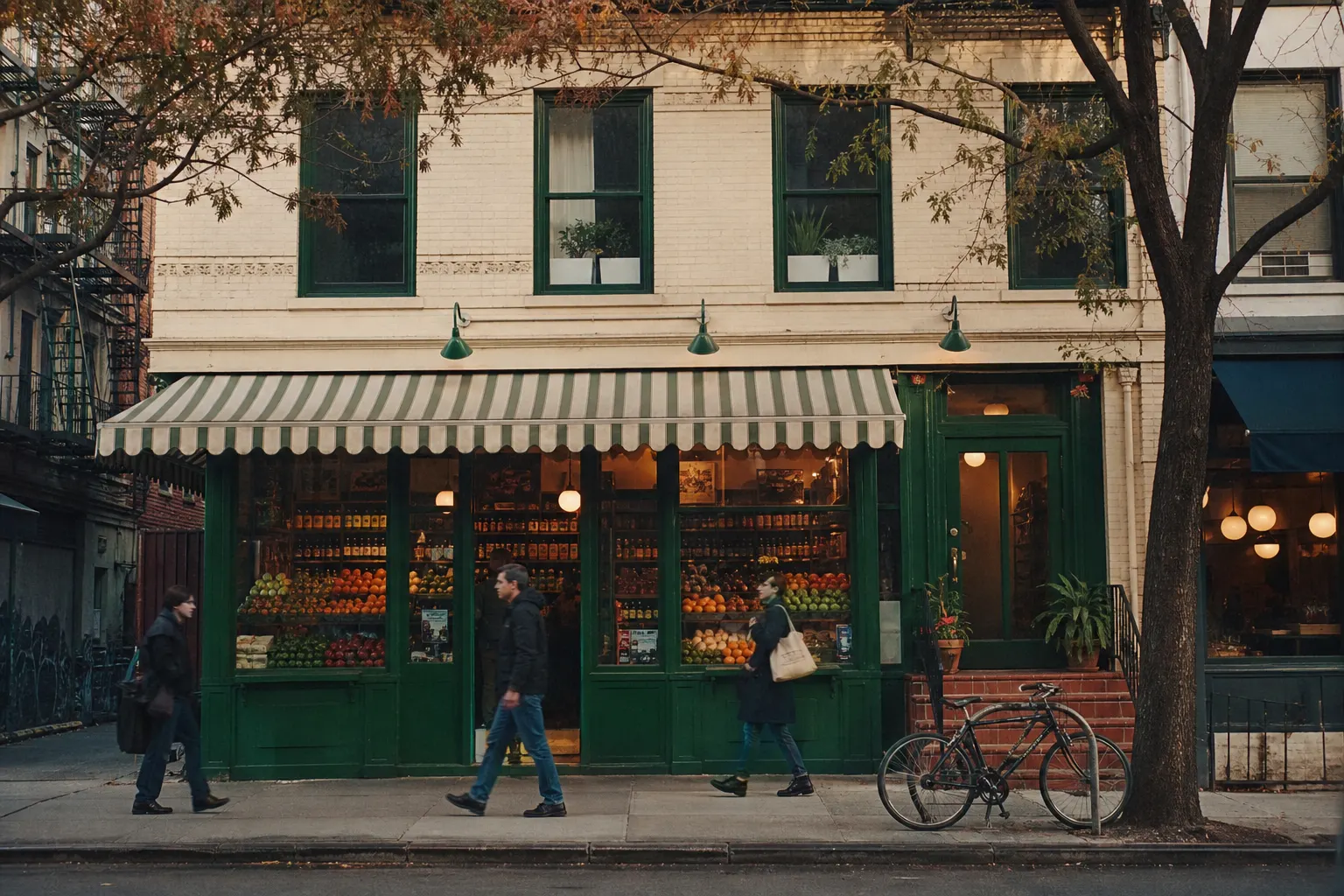
Connecticut’s $16.94 wage floor is not a footnote on a Capitol-region grocery. It is the first line of the recast. Park Street and Frog Hollow independents still clear when produce and meat labor pencil after that floor, the Department of Consumer Protection beer class matches the cooler, and a local health district — not a single statewide inspector — will stamp the incoming owner. Grocery Store Business Broker — HedgeStone Business Advisors, led by Jason Taken — packages that file quietly. Book a confidential intro with the DCP class, the district name, and three years of P&Ls. Email jason.taken@hedgestone.com to put the hour on a calendar.
Statewide Connecticut process lives on sell a grocery store in Connecticut and buy a grocery store in Connecticut. This essay is the metro reading: Puerto Rican and Latino aisles on Park Street, package-store neighbors that hold the wine and spirits, Stop & Shop / ShopRite / Big Y / Aldi as trip theft, and why a ShopRite co-op earnings story does not travel onto Frog Hollow shrink.
Model $16.94 before you tour the cooler
Connecticut’s statutory wage sits at $16.94 on the DOL consolidated table dated July 1, 2026. Confirm Connecticut DOL paid-leave and wage-and-hour posters before you treat payroll as a plug. A seventy-hour owner who is also the only produce clerk is key-person risk, not a wage savings. Model labor on the store you are buying — anatomy of a grocery P&L and shrink, margin, and turns. State-by-state minimum wage is the national table.
Sellers who lead with weekly rings meet buyers who ask for SDE. Restore owner pay. Keep one-time repairs only with invoices. Pull personal spend. If you own the building and charge yourself a token rent, put third-party rent on the store and price the dirt separately. Recasting a grocery P&L and preparing three years of financials are the homework. Tie weekly sales to scan and EBT — verifying sales with scan data.
Quiet packaging means counsel and a CPA first, then a blind teaser that names a Capitol-region stretch and a format — not the only Park Street independent facing a new Aldi. Funded operators see the CIM after NDA. Managers hear when DCP paperwork, the assignment, or transition hours need them. How to sell a grocery store confidentially is the longer sequence.
Park Street mix versus a conventional Wakefern neighbor
Park Street and Frog Hollow hold Puerto Rican and broader Latino independents. Keep that corridor note qualitative — no invented population share. Recast produce, meat, and the hours that steal dinner trips Stop & Shop does not take. Sell a Hispanic grocery and buy a Hispanic grocery are the format essays. Buying an ethnic market outside your community is required if the buyer does not already shop that aisle.
The same metro holds conventional neighborhood boxes that sit closer to ShopRite and Big Y on center-store. Those files still need a recast, occupancy as a share of sales, and a buyer who can live with Connecticut’s wage floor. Do not paste a ShopRite co-op earnings story onto a Frog Hollow independent, and do not paste Frog Hollow shrink onto a suburban conventional box. Sell an independent supermarket is the format essay for the conventional file.
Stop & Shop takes the Ahold conventional trip. ShopRite takes the Wakefern co-op trip. Big Y takes a regional conventional trip. Aldi takes price. The Frog Hollow independent has to explain which of those trips it still wins. Competition analysis is the method.
Wakefern (if ShopRite-related), C&S, and UNFI appear in the Connecticut pack as supply names. Confirm drop minimums, over-advances, and whether the incoming owner gets an account. Wholesaler and cooperative directory names those houses. Wholesaler and banner agreements when you sell is the close checklist.
DCP beer class and package-store neighbors
Connecticut is a license state. The Department of Consumer Protection, Liquor Control Division must approve a permit transfer. Grocery beer is common. Wine and spirits generally stay in package stores. This pack does not treat Connecticut as a grocery-spirits state. Package-store density rules exist. Verify the class at the address. A CIM that books spirits margin the store does not have will fail diligence. Liquor license due diligence and state-by-state alcohol regime are the worksheets.
Lottery is a Connecticut Lottery Corporation retailer relationship — not an APA conveyance. Tobacco sits with DRS. WIC sits with Connecticut Department of Public Health. WIC, lottery, tobacco belongs on the close calendar with the beer privilege.
Retail food is Connecticut Department of Public Health plus local health districts. Two Hartford-area addresses can sit in different districts. Confirm the district before you lock a close date. Incoming operators file a new retail food operation. Surviving due diligence is the seller companion when a buyer asks for the district file.
Connecticut generally exempts grocery food from sales tax. Prepared meals and many heated or ready-to-eat items are taxable. Confirm DRS SN meal/food guidance for the deli mix, then code the POS. State-by-state grocery sales tax is the statewide clip.
Ask DRS counsel about tax clearance and successor liability on an asset sale. A repealed UCC Article 6 statute in another state does not answer the Connecticut question. Bulk sales and tax clearance belongs in counsel’s memo. If the building conveys, close it with Connecticut real-estate counsel.
Leasehold occupancy and the FNS restart
Most city independents lease. Some older neighborhood stores own the box. Confirm the file. Put assignment in the LOI. This research pack left Hartford asking rent null — do not invent a dollar-per-foot. Occupancy is base, CAM, tax, and insurance divided by this store’s sales. Lease due diligence and the rent checker are the tools. If the seller owns real estate, recast the store on market rent and price the building separately — selling with a lease versus real estate.
Inventory counts at cost at close. Hold back unsellable. How inventory is counted at closing is the night procedure. A wholesaler over-advance is debt.
EBT permission stays with the named SNAP retailer. A Hartford purchaser starts a fresh USDA FNS retailer application and should pad cash while authorization posts. Put that filing date in the LOI. Guides: SNAP when you sell and EBT diligence.
Credit that uses SBA 7(a) still stops at the published $5 million maximum. On this Capitol-region file the lender underwrites DCP beer transfer, FNS timing, and a lease that survives the $16.94 wage floor — SBA 7(a) for grocery acquisitions. Seller financing can bridge privilege lag. Write who will stand in the store into the CIM. Transition periods and employees and WARN belong in the LOI when Park Street mix depends on named people.
Working capital has to cover SNAP lag, DCP transfer, district health, and a C&S or UNFI drop minimum. How much working capital and buyer cash to close are the worksheets. Federal HFFI and local food-access programs may apply in Hartford tracts; this pack records no dollar figure.
National sample on a Capitol-region file
The only national earnings band this pack cites is BizBuySell’s grocery sold set: a 2025 average of 3.38× earnings, 2.66× across five years, an interquartile span from 1.60 to 3.15, and 0.43× revenue on the 2025 sold cohort. On a Capitol-region file those figures are a ceiling check after Connecticut’s $16.94 wage floor and market occupancy — never a Park Street ask. Method: valuation hub and how to value a grocery store.
Buyers shopping a Connecticut search should treat Hartford as files, not as a listings board. Sequence DCP beer approval, the correct health district, SNAP, lottery if tickets sit on the counter, and landlord consent as dated steps. The LOI terms that matter for buyers is the longer list. Timeline to sell is honest about DCP and district desks.
Capitol-region districts and package-store density
Two Hartford-area addresses can sit in different health districts even when both teasers say Capitol region. Confirm the district that holds the current permit before you lock a close date. Incoming operators file a new retail food operation either way. Package-store density rules mean a buyer cannot model an Indiana grocery-spirits aisle onto Park Street — verify the DCP class at the address.
Connecticut Lottery Corporation, WIC (DPH), and DRS tobacco belong on the same calendar as grocery beer. Ticket inventory and cash are not APA conveyances. WIC, lottery, tobacco is the checklist. Prepared meals and many heated items are taxable even when grocery food is generally exempt — code the Frog Hollow deli to DRS SN meal/food guidance.
Insurance and banking employment rings can inflate weekday volume that will not match a Saturday Park Street week. Ask for thirteen months of scan. Do not invent a metro population or a rent-per-foot. Competition analysis keeps Stop & Shop, ShopRite, Big Y, and Aldi as weather, not as sold-comps.
A first-time buyer still needs the $16.94 wage tape, the lease, and the DCP path to tell one story. Buying as a first-time owner is honest about grocery hours. Write the person who will stand in the store into the CIM after NDA.
Frog Hollow meat cutters and the $16.94 note
A meat cutter who stays ninety days on Park Street is worth more than a wide non-compete. Write stay hours into the LOI — transition periods and employees and WARN. Test the note after the $16.94 floor with the DSCR calculator. Insurance and banking employment weeks can inflate weekday volume; ask for a full year of scan so Saturday Park Street rings stay visible. Invent neither a population share nor a rent-per-foot.
Wakefern-related ShopRite files still need a co-op reading that Frog Hollow independents do not share. Do not paste a co-op earnings story onto Puerto Rican produce shrink. Sell an independent supermarket is the conventional format essay when that is the book.
A Capitol-region buyer who already runs a box in New Britain still needs a new DCP path, a new district health file, and a new SNAP application. Do not treat the metro as a courtesy transfer. Bring the wage tape and the Park Street vendor list to the first call.
District health, DCP beer, and the landlord are three calendars — date them before the inventory night.
Book the Hartford intro
Bring three years of P&Ls, the lease, the DCP beer class, and the health-district name. Grocery Store Business Broker will not invent a metro population, a grocery-density figure, or a rent range. We will recast the store you run against the $16.94 floor and map DCP, district health, SNAP, and occupancy from this lease.
Book a confidential intro to start that file. Email jason.taken@hedgestone.com if you want the hour in writing. About Jason Taken is the desk. Bring the wage tape and the Park Street vendor list if you have them. The next step is the recast, not a vestibule sign.
Worked math for Recast a Hartford grocery on Park Street mix
These figures are a teaching walk-through for Recast a Hartford grocery on Park Street mix, not a quote and not a sold comp. Order of operations: weekly sales, recast SDE, inventory at cost, then a multiple band. Metro pages talk corridors and operators. They do not invent asking rents or establishment counts.
Inventory is cash at close, not a multiple. Confusing the two is how sellers over-ask and buyers under-cash the wire.
Book the intro call with your side of the table ready: seller files or buyer capital. The calendar is the only next step.
This page is educational information from Grocery Store Business Broker (HedgeStone Business Advisors). It is not legal, tax, or investment advice. Licensing, tax, and financing rules vary by state and deal. Confirm every item with counsel and your lender before you sign.