How do I know the grocery actually holds the privilege?
Pull the agency license report for this exact address and match the class, the licensee of record, and the premises to the lease. Do not trust the CIM caption.
Grocery Store Business Broker · HedgeStone Business Advisors · Jason Taken
Last updated 2026-09-04
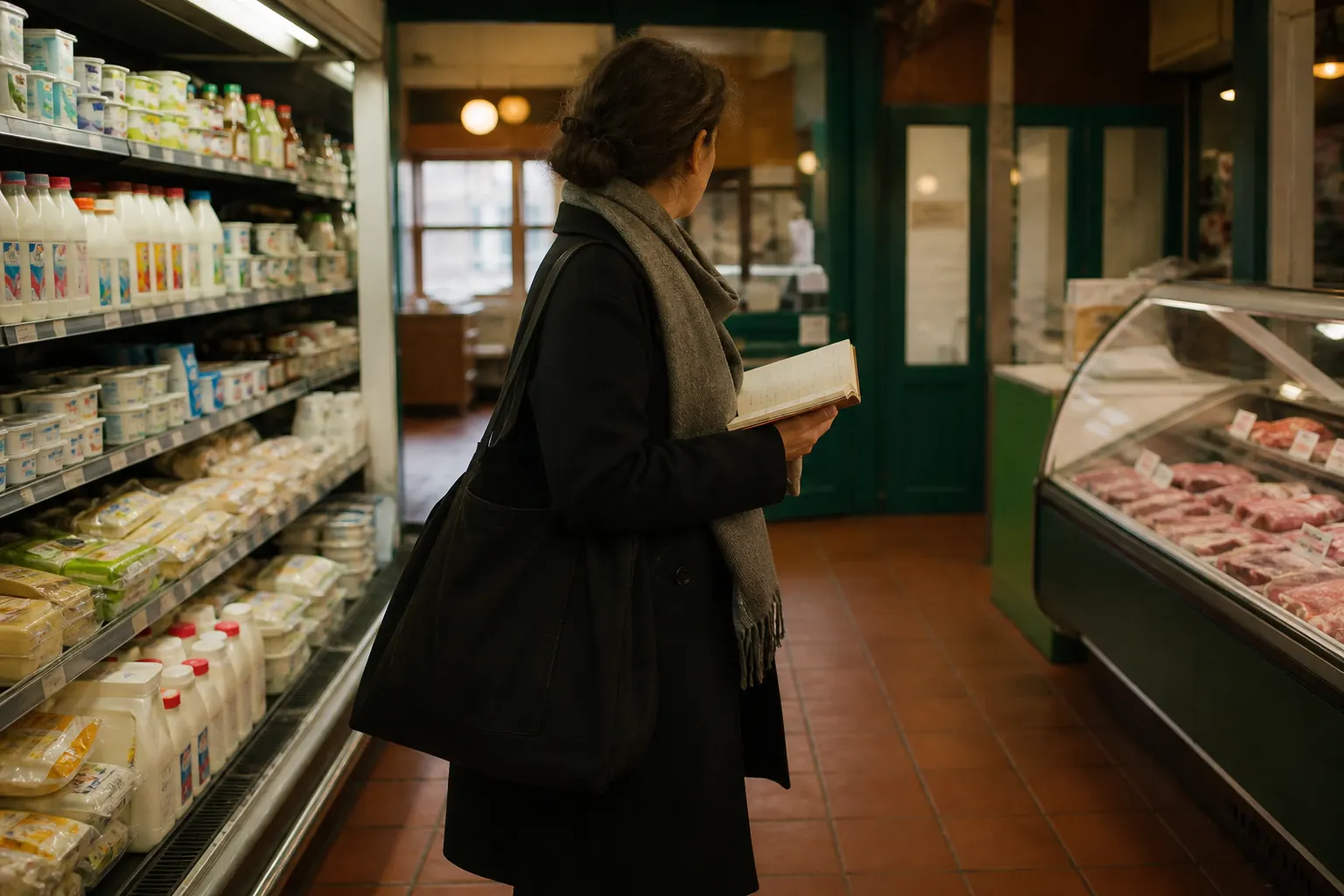
Request the liquor license report for the exact street address, mark the alcohol line on the Buyer Underwriting Workbook, and book a confidential intro before you tour a wine aisle you have not proven. Grocery Store Business Broker — HedgeStone Business Advisors, led by Jason Taken — treats alcohol as a premises test. Jason also sees grocery paper through Jaken Finance Group, which is how a DSCR model stays honest when beer margin is doing work the grocery is not.
This page is buyer diligence. The seller who needs to package a transfer should read transferring your liquor license. The regime map is state-by-state alcohol. You are here to decide whether to pay for a privilege, walk from a fantasy, or write an out.
The CIM caption is not evidence. Pull the state or local record and read four fields: license class, licensee legal name, premises address, and status. Those four should match the lease tenant, the seller entity, and the store you toured. A DBA on the awning that does not match the licensee is a question, not local color. A privilege issued to a prior owner who “never got around to transferring” is a walk until counsel says otherwise.
Ask whether the grocery owns the license, leases it, or sells beer under a restaurant or drugstore series that happens to sit inside the box. Florida quota paper is sometimes a separate asset from the grocery. Pennsylvania wine-to-go or distributor privileges can live on a restaurant series inside a supermarket. Washington spirits retail can turn on premises-size rules the LCB actually enforces. Verify the current class. Do not quote a blog.
Walk the floor against the paper. New York grocery beer does not become a liquor-store license because the seller stocked a few bottles. Connecticut grocery beer is not a package-store wine-and-spirits permit. A steam-table “restaurant” privilege used to sneak wine into a grocery needs the health department and the alcohol agency to agree that the restaurant exists. If either file is sloppy, you are buying a shutdown.
Underwrite each beverage as its own authorization. Beer is often the grocery default where the state allows off-premise malt. Wine may require a second class or a local opt-in — Tennessee wine-in-grocery is a jurisdiction choice, not a national aisle. Spirits may be grocery, package-store, agency-store, or forbidden in the format.
Illinois, Missouri, Nevada, Nebraska, New Mexico, Indiana, Arizona, and Washington can put spirits in grocery when the store holds the right license and the locality does not block it. Louisiana is often grocery-spirits with city exceptions. North Dakota often wants a separated department. Those are research notes from the state alcohol table, not promises about this address. Local exceptions apply. Read the municipality.
Sunday hours, local option, and distance rules change the week you are buying. Indiana Sunday grocery alcohol has been a deal-underwriting issue — verify the current ATC rule instead of quoting a neighbor. Nebraska Sunday hours have moved. This pack does not freeze a clock. Ask the agency.
Scan data should show beer, wine, and spirits as departments, not as a blended “alcohol” line. Turns on wine are not center-store turns. Inventory at cost on that set is a close check with unsellable rules written in advance. A dusty spirits back room is not a bonus. It is a count fight.
NABCA lists 17 control states: Alabama, Idaho, Iowa, Maine, Michigan, Mississippi, Montana, New Hampshire, North Carolina, Ohio, Oregon, Pennsylvania, Utah, Vermont, Virginia, West Virginia, and Wyoming. Additional local-control pockets sit in Alaska, Maryland, Minnesota, and South Dakota. NABCA also describes 18 control jurisdictions when counting Montgomery County, Maryland.
In a control state, the state or a county is the wholesaler and often the retailer of distilled spirits. You may be buying a beer-and-wine license plus a product relationship, not a transferable spirits privilege. Pennsylvania and Utah are the teaching examples: Fine Wine & Good Spirits and DABS stores are the spirits channel. Virginia ABC, New Hampshire outlets, and North Carolina county ABC stores are the same idea. Alabama, Idaho, and Mississippi typically keep spirits out of grocery.
Maine, Michigan, Ohio, Oregon, Vermont, West Virginia, and Wyoming can look like grocery spirits when the store holds an agency, contract, franchise, or local retail appointment. That appointment is a second relationship. It is not automatic with the grocer’s asset sale. Minnesota municipal liquor towns and some South Dakota cities may give you nothing private to buy. Alaska local option can bar alcohol entirely.
If your thesis is “I am buying a liquor store that happens to sell milk,” test the regime before you test the cheddar. A specialty-market buyer who needs a portable spirits privilege can lose the thesis in a control county. Read control state and then the agency URL on the state table.
A store with no alcohol is still a diligence result. Many Asian, Indian, Middle Eastern, and natural boxes skip beer by design. Do not add a wine aisle in the model unless the lease, the local option, and the regulars will all live with it. Adding beer after close can erase the reason you bought the file. Price the grocery. Leave the fantasy off the cash-to-close stack.
Washington spirits retail is a license-state example that still turns on LCB premises-size and license rules — often cited as 10,000 square feet with exceptions. Verify LCB for this store. Do not assume a smaller independent inherited a spirits story from a chain down the road. Ohio, Oregon, and Maine agency or contract stores are the control-state version of the same homework: read the appointment, not the fascia.
A quota license is scarce paper. Transfers can carry a market price separate from grocery SDE. Confirm the quota list with the ABC before the LOI treats the license as included at book value. Florida quota, Massachusetts municipal package quotas, New Jersey plenary retail distribution, Wisconsin Class “A,” California off-sale general tract limits, and Kentucky wet-county package quotas are the usual traps.
BizBuySell grocery and supermarket businesses sold in 2025 printed a 3.38 average earnings multiple, a 2.66 five-year average for 2021–2025, a 1.60–3.15 interquartile range, and a 0.43 average revenue multiple. Those figures are a listing-site grocery sample. They are not a quota comp set. If the seller already capitalized the privilege inside a juicy SDE, and you then pay a second check for the license, you bought it twice. If you apply a grocery multiple to earnings that only exist because of a privilege that will not move, you bought a hole.
FMI’s 2.1 percent average net profit for food retailers in 2025 is the grocery reminder. Alcohol can look like the profit center. Prove it with scan and invoices. Then prove the privilege moves. Recasting a grocery P&L comes first. Allocation fights come second. Counsel and a CPA own Form 8594.
SBA 7(a) can finance a change of ownership up to the published $5 million maximum. Eligibility still wants a business the borrower can operate. A quota you cannot hold, or a control-state spirits story that is actually a state store, will not save DSCR. Hope is not a ratio.
Ask for the disciplinary history the agency will share: suspensions, pending charges, failed compliance checks, unpaid excise. This pack does not invent a fine schedule. A clean report is a fact. A seller who will not request their own record is a fact. Tax clearance on alcohol excise belongs in escrow language with sales tax and income tax. Bulk-sale or successor-liability practice can still exist after UCC Article 6 died. Do not treat a handshake as clearance.
Local boards can treat the buyer as a new applicant even when the state calls it a transfer. Character, residency, and ownership-disclosure rules are theirs. You will not talk your way around a background problem in the lobby. If you cannot be licensed, stop touring.
Lease assignment can kill the privilege even when the agency would have approved you. Remaining term under twenty-four months without options is a price cut. Exclusive use that already allowed a competitor’s beer cave is a diligence item. Co-tenancy that depends on a dead anchor is a diligence item. Read lease diligence in the same week as the license report.
The LOI terms that matter for buyers should name the class, require agency approval, and say whether close waits on that approval or funds a beer-and-wine gap. This pack does not invent a wait. Do not write “typical 60 days” into an offer. Ask the agency that owns this file. Earnest money without an alcohol out is a donation if the privilege is the reason you showed up.
Comparing offers means cash at close, note terms, inventory treatment, and license risk. A higher headline that assumes portable spirits in a control state is not a better offer. Transition hours can introduce the beer wholesaler. They cannot lend you a class you do not hold.
Tobacco, WIC, and lottery are other counterparties. Mark them on the closing checklist. SNAP still does not transfer if you also need EBT — that reconstruction lives on the SNAP diligence page. Keep the folders labeled so week six is not when counsel meets the ABC.
Attorneys who have never closed a grocery alcohol file will treat the privilege like a city food permit that assigns. Hand them the license report and working with attorneys and CPAs before they draft a single “all licenses convey” schedule. A CPA who capitalizes quota inside grocery SDE will fight you at Form 8594. Separate the checks on paper before anyone argues a multiple.
If you are buying the building too, the deed does not assign the privilege. Buying a store with real estate is two prices. Recast the store on market rent, then price the building. The ABC still has to like the incoming licensee on that address. A pad site you love does not cure a dry county or a quota you cannot hold.
Fill the workbook with three alcohol answers in the margin: what class is on this address, whether the regime is license, quota, or control, and whether any privilege is a second check. If you cannot fill those lines, the intro is still the right next hour. Bring proof of funds and the states you will occupy.
Post-close, the first 90 days are vendor trust, shrink, and not changing the mix for sport. A new beer set you are not licensed to sell is not a 90-day plan. Read the post-closing 90-day plan after you can legally ring the aisle.
When the license report and the cash-to-close stack are numbers you can say out loud, schedule the buyer strategy call. Bring proof of funds, the states you will occupy, and a one-sentence read on beer, wine, or spirits. If the report is still inbound, say that and bring the CIM caption you refuse to trust. That is enough to start pressure-testing real files instead of touring a pretty wine rack.
Use this napkin recast on Liquor license due diligence for grocery buyers when you book the call. It is labeled illustrative. BizBuySell's 2025 grocery sold-business earnings multiple averaged 3.38, with a 2021-2025 IQR of 1.60-3.15.
| Input or output | Illustrative figure |
|---|---|
| Weekly sales (illustrative) | $228,000 |
| Annual sales | $11,856,000 |
| Recast SDE | $486,096 (4.1% of sales) |
| Inventory at cost | $592,800 (~20 turns) |
| Occupancy check | $343,824 / year (2.9% of sales) |
| Low going-concern | $1,419,163 at 1.70x SDE + inventory |
| High going-concern | $2,051,088 at 3.00x SDE + inventory |
| Sketch DSCR on a note | 1.52 |
Rent at 2.9% of sales is the occupancy check. If the real lease is higher, the SDE in this table is too generous until you recast to market rent.
Bring proof of funds or a lender pre-screen, your format, and geography. Jason will tell you whether a store like this can clear SBA or seller-carry math.
Print these, mark them up, and bring the marked copy to the intro. They are educational. They are not a valuation letter and not a listing. All downloadable guides.
Have the file ready so the hour is a recast, not a scavenger hunt. Then pick a time.
Underwrite the deal before you fall in love with the store
Scan data, SNAP mix, rent-to-sales, and DSCR. If those four do not clear, the CIM photos do not matter.
Schedule a Buyer Strategy CallPull the agency license report for this exact address and match the class, the licensee of record, and the premises to the lease. Do not trust the CIM caption.
Seventeen states are NABCA control states, plus local-control pockets. In many of those states you are buying beer and wine retail, not a transferable spirits privilege.
Not until you confirm it moves and you have not already paid for it inside SDE. Florida, Massachusetts, New Jersey, Wisconsin, and others can price the privilege as a second asset.
No. This pack does not invent license wait times. Ask the agency on this file. Write an out, not a rumor date.
Mark the buyer workbook, request the license report, and book a confidential intro with proof of funds.
Source and finance a grocery acquisition
Jason Taken works buyers through qualification, SBA or seller-carry structure, and a diligence plan a lender will fund. Book the hour.
Schedule a Buyer Strategy CallThis page is educational information from Grocery Store Business Broker (HedgeStone Business Advisors). It is not legal, tax, or investment advice. Licensing, tax, and financing rules vary by state and deal. Confirm every item with counsel and your lender before you sign.
Ready when you are. Jason Taken will talk through the file.
Book a confidential intro