Can I recast a hoped-for HFFI award into grocery SDE?
No. An award is not run-rate cash. Confirm the current notice with the CDFI or state program. Do not put a grant story in the earnings line.
Grocery Store Business Broker · HedgeStone Business Advisors · Jason Taken
Last updated 2026-09-04
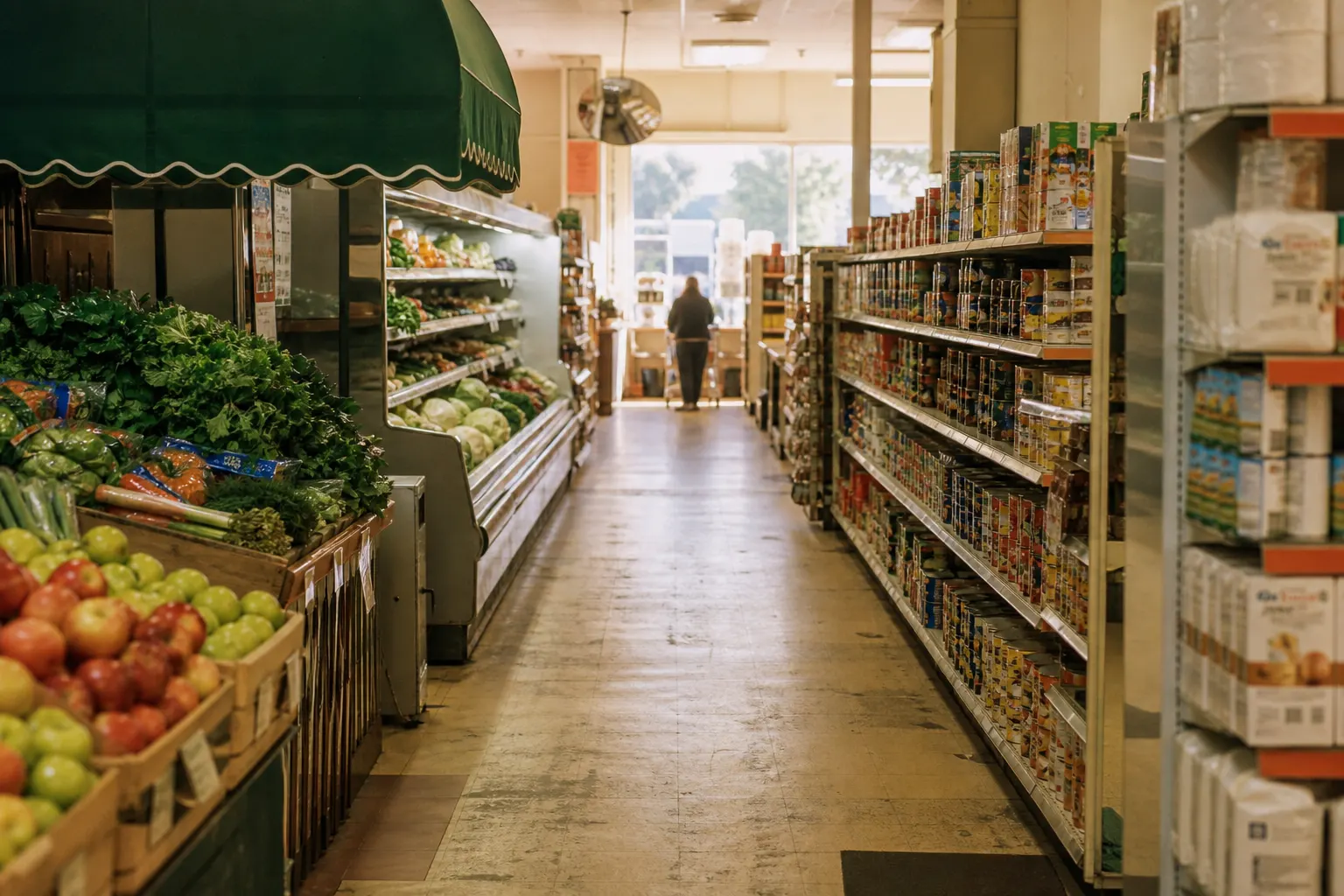
Healthy Food Financing Initiative — Federal financing and technical assistance intended to increase access to healthy food retail in underserved areas, with some state replica programs. Grocery operators usually meet HFFI through a community development financial institution or a current program notice, not as a treasury window on Main Street. The CDFI Fund describes Healthy Food Financing Initiative awards as supplemental capital for CDFIs expanding healthy-food financing (CDFI Program). Terms change by notice. This pack does not invent a dollar cap or a guarantee.
Mark the P&L before you mark the mission. Grocery Store Business Broker — HedgeStone Business Advisors, led by Jason Taken — will talk access after the week clears. Book a confidential intro with the recast, the lease page, and an honest note about which program you think applies. Do not bring a stale cap copied from an old press release.
A food desert label is a USDA ERS research concept. It is not a valuation premium. Buying in a food desert still starts with SDE, sellable stock, and a landlord who will assign. HFFI can sit beside that file as a possible source of project capital or technical help. It cannot replace the warehouse minimum or the closer’s wage. Do not recast a hoped-for award into run-rate earnings. Do not put a grant in the CIM as if it were last year’s meat gross.
State replica programs exist in some years and some capitals. They also change. Confirm the current CDFI, CDFA, or state development notice yourself. This site will not invent a Massachusetts, New Jersey, or California dollar figure. If a local program is real this year, your banker or CDFI contact will have the notice. If they do not, it is not cash in your close.
Rural one-store towns and urban access tracts attract mission buyers. Those buyers still underwrite. Can I buy a store in a food desert is the short answer. Rural small-town grocery is the format hub. Food-access rhetoric does not pay the produce truck.
SBA 7(a) is the Small Business Administration’s primary loan guarantee. The program page states a $5 million maximum and lists change of ownership as an eligible use. That is a lender product with DSCR, a lease assignment, and financials a credit committee will recast. SBA 7(a) for grocery acquisitions is that path. HFFI is a healthy-food financing initiative. Mixing the two in one sentence is how a first-time buyer underwrites a slogan. Conventional and alternative financing is where the capital stack belongs.
Authorization to accept federal food benefits is a separate clock. USDA FNS SNAP authorization does not transfer. A new owner files a new application. HFFI does not enroll the register. If EBT is a large share of the week in an access tract, price the gap in cash. Do not assume a financing brand fills the aisle on Monday.
Bring three years of P&Ls, a lease abstract, and the wholesaler’s name. Say whether you are chasing a CDFI conversation or a state replica. Do not ask this page to quote a cap. Book the intro when you want the mission and the recast in the same hour. The store still has to work as a store.
Use this napkin recast on HFFI on a grocery acquisition when you book the call. It is labeled illustrative. BizBuySell's 2025 grocery sold-business earnings multiple averaged 3.38, with a 2021-2025 IQR of 1.60-3.15.
| Input or output | Illustrative figure |
|---|---|
| Weekly sales (illustrative) | $92,000 |
| Annual sales | $4,784,000 |
| Recast SDE | $224,848 (4.7% of sales) |
| Inventory at cost | $265,778 (~18 turns) |
| Occupancy check | $148,304 / year (3.1% of sales) |
| Low going-concern | $681,747 at 1.85x SDE + inventory |
| High going-concern | $906,595 at 2.85x SDE + inventory |
| Sketch DSCR on a note | 1.43 |
Rent at 3.1% of sales is the occupancy check. If the real lease is higher, the SDE in this table is too generous until you recast to market rent.
Book the intro call with your side of the table ready: seller files or buyer capital. The calendar is the only next step.
Print these, mark them up, and bring the marked copy to the intro. They are educational. They are not a valuation letter and not a listing. All downloadable guides.
Have the file ready so the hour is a recast, not a scavenger hunt. Then pick a time.
Get a specialist on the other side of the table
Grocery deals turn on licenses, inventory, and a recast a lender will believe. Book the intro and bring the file.
Book an Intro Call With Jason TakenNo. An award is not run-rate cash. Confirm the current notice with the CDFI or state program. Do not put a grant story in the earnings line.
No. Notices change. This research pack does not carry a current cap, and quoting a stale one in a CIM is how a mission file loses a lender.
No. A food-access grocery still needs occupancy you can assign, a wholesaler who will ship, and a recast a buyer can fund. Program capital sits beside that file.
SBA 7(a) is a lender guarantee program with a $5 million maximum on the program page. HFFI is a healthy-food financing path through CDFIs and related notices. They are not the same product.
Start a confidential grocery conversation
Whether you are exiting or acquiring, pick a time and we will talk through the file.
Book an Intro Call With Jason TakenThis page is educational information from Grocery Store Business Broker (HedgeStone Business Advisors). It is not legal, tax, or investment advice. Licensing, tax, and financing rules vary by state and deal. Confirm every item with counsel and your lender before you sign.
Ready when you are. Jason Taken will talk through the file.
Book a confidential intro