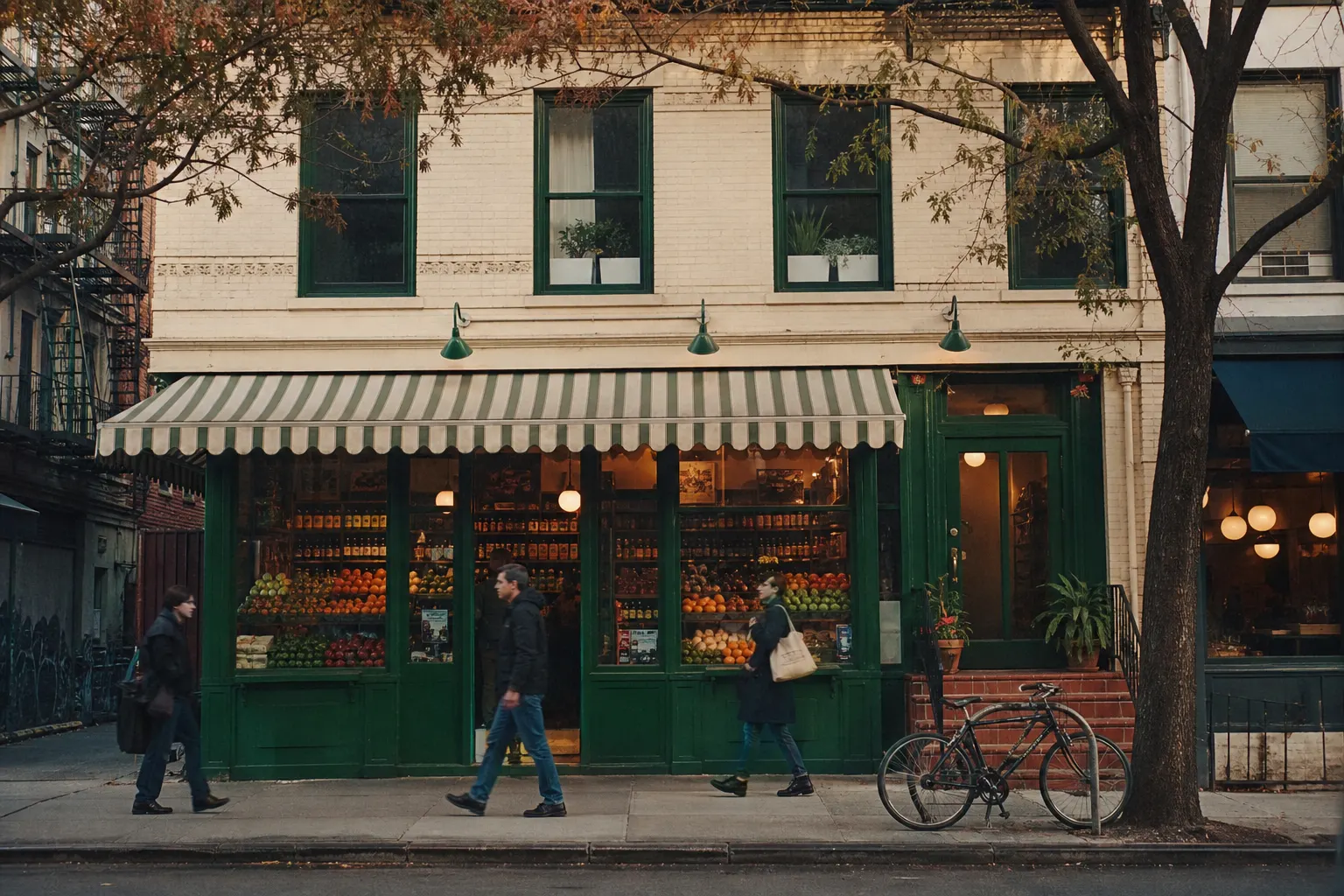
If you own a grocery inside the District of Columbia, or you want the keys, recast the file on ABCA, OTR, and DC Health before you argue a multiple, then book a confidential intro with the license class, the OTR clearance question, and three years of tax returns. Grocery Store Business Broker — HedgeStone Business Advisors, led by Jason Taken — will not import a Maryland food exemption or a Virginia ABC-store story onto a District register. Statewide District rules live on the seller and buyer pages. This essay is the DC map: ward density, East of the River independents, and Giant and Safeway as the competitive set.
This pack does not publish a District store count, Census population, or rent-per-foot table. Those fields are null. Occupancy is a lease ratio. This essay does not invent Maryland or Virginia independent store counts. Shoppers in the metro may use stores in those states. Underwrite those addresses on the Maryland and Virginia pages, not as if they were DC licenses.
ABCA, OTR, and a District close calendar
Alcoholic Beverage and Cannabis Administration (ABCA) governs off-premise privileges inside the District. Privileges are license-class specific. Verify the store’s class. DC is not treated as a grocery-spirits jurisdiction on the secondary grocery-spirits list used in this pack. Verify class A/B privileges. Moratoria and ward-level density rules can apply. Transfer is a public process; it is not automatic with the asset purchase. Liquor-license transfer is the workstream. A public ABCA file is also a confidentiality problem: plan the teaser so the sales floor hears about the sale from you, not from a hearing notice.
OTR sets District grocery and food tax treatment. Qualifying groceries are generally taxed differently from prepared food. Confirm the current OTR food schedule rather than assuming a state-style exemption. Do not import a neighboring-state exemption onto a DC register. OTR tax clearance is a standard District asset-sale item. Confirm current successor-liability rules. UCC Article 6 has been repealed in most states; the District may still impose sales-tax successor liability. Confirm current notice with counsel.
DC Health, Food Safety, owns the retail food file. The incoming operator is a new permit. WIC sits with DC Health. DC Lottery is a real transfer item if the store holds it. Tobacco sits with OTR / ABCA as applicable.
USDA FNS: SNAP authorization does not transfer. After close, the buyer may not ring EBT on the seller’s permit. File a new retailer application. Budget downtime in cash and in the landlord conversation. This pack does not publish a SNAP-retailer headcount for the District. SNAP when you sell is the federal rule.
Giant, Safeway, and Yes! Organic as the competitive set
Giant Food, Safeway, and Yes! Organic / independents are the competitive set recorded for Washington, DC. They are not listings. Giant and Safeway are the conventional full-line pair a District shopper already knows. Yes! Organic and other independent banners are a specialty and neighborhood layer, not a substitute for a full supermarket and not a homemade organic multiple.
An independent still has to explain the trips Giant and Safeway do not take: a neighborhood SKU, a language on the floor, hours a chain will not staff, credit for a regular. UNFI, C&S, and KeHE (specialty) appear in District supply. Read drop minimums. Wholesaler agreements belong in diligence.
FMI’s 2.1 percent food-retailer net (2025) and $668,377 average weekly supermarket sales are national channel figures. Do not paste them onto an East of the River independent as if they were the CIM. Scan, EBT, and the return are the sales story.
East of the River, Columbia Heights, and Upper Northwest
District submarkets in the research pack are qualitative notes, not Census counts. East of the River is recorded as food-access and independent neighborhood stores. Columbia Heights / Petworth is dense mixed-income with ethnic independents. Upper Northwest is higher-income conventional and specialty. Downtown / NoMa is office-adjacent small-format. Underwrite the address. Do not invent a store count for any of those geographies.
A Columbia Heights independent is not an Upper Northwest specialty box with a different paint color. Occupancy, basket, and labor differ. Recast payroll at the District floor, not at a Maryland suburban assumption. Drive the neighborhood. A tour of a downtown small-format will not teach you East of the River.
Shoppers who live in Maryland or Virginia
The metro licensing note records three jurisdictions in the broader Washington market: DC ABCA, Maryland county boards, and Virginia ABC. This page teaches the District. If the store is in Maryland, use the Maryland seller and buyer pages. Montgomery County, Maryland is a NABCA control jurisdiction — that is a Maryland file, not a DC alcohol rule. If the store is in Virginia, use the Virginia seller and buyer pages.
Annandale / Eden Center on the Virginia side is recorded as Vietnamese independents serving the DC metro. Prince George’s County / Langley Park is recorded as African and Latino independents. Those notes describe shopper geography. They are not a license to invent Maryland or Virginia store counts, and they are not DC ABCA files. If you are buying or selling at those addresses, underwrite them on the Virginia or Maryland pages.
Do not mix Maryland county-board alcohol or Virginia ABC-store spirits into a District CIM. Do not mix DC OTR food tax onto a Maryland register.
Payroll at $18.40 and SNAP non-transfer
DOL’s July 1, 2026 consolidated table lists the District at $18.40. Confirm DOES paid-leave rules. Recast on the wages you will staff for nights, weekends, and perishable skill. A recast that uses a neighboring state’s floor on a District store is not a recast.
Occupancy is rent and CAM as a share of sales. No public rent table is attached. Remaining term and assignment consent in District retail will move the multiple. Lease due diligence is not optional. Recast on market rent if the seller owns the box, then price real estate as a second asset.
SBA 7(a) can finance a change of ownership; published maximum is $5 million. Unreported cash will not survive that file. Tie weekly sales to scan and EBT deposits.
DOES paid leave, DC Lottery, and a public ABCA calendar
A District CIM has to treat ABCA as a public clock. Moratoria and ward density can stall a transfer that would be a quiet ABC file in another state. Sequence the blind teaser, the NDA, and the hearing so the sales floor is not the last to know. Non-competes and confidentiality still matter. The public process does not mean you skip the teaser. It means you plan it.
DOES paid-leave rules sit next to the $18.40 wage floor. Recast benefits, not only hourly rates. A 70-hour owner in Columbia Heights is not a manager at District wages. Handling employees belongs in the packet when hours and premiums are the going concern.
DC Lottery is a transfer item if the store holds it. WIC sits with DC Health. Tobacco sits with OTR / ABCA as applicable. DC Health Food Safety is a new-operator file. Put those lines in the first qualified packet with the ABCA class. WIC, lottery, and tobacco is the checklist.
OTR grocery versus prepared food will move a Yes! Organic-adjacent specialty mix differently from an East of the River neighborhood box with a hot table. Confirm the current OTR schedule. Do not import Maryland’s grocery treatment or Virginia’s post-2023 state grocery-tax repeal onto a District register. Those rules live on the Maryland and Virginia pages.
Inventory is counted at cost. Neighborhood long-tail SKUs and specialty organic dry grocery fail in different ways. Hold back unsellable. How inventory is counted at closing belongs in the APA. Do not illustrate a homemade District SDE dollar figure on this page. Recast against the BizBuySell IQR, then add the count.
UNFI, C&S, and KeHE: read change-of-control. Wholesaler agreements belong in the data room. Occupancy without a published rent table still has to be modeled from the lease. Ward retail and remaining term will move the multiple.
If the buyer’s search includes Langley Park or Eden Center, send them to Maryland or Virginia. This essay will not invent store counts there. Shoppers cross jurisdictions. Licenses do not.
Sellers: put three years of returns, scan, the lease, ABCA, OTR clearance, DC Health, and EBT in a packet. Preparing three years of financials is the work. The LOI terms that matter for sellers should name ABCA public process and FNS downtime.
Recasting a District independent
Going-concern value is recast SDE or EBITDA times a negotiated multiple, plus inventory at cost. BizBuySell grocery sold sample: 3.38 average earnings multiple in 2025, 2.66 five-year average, IQR 1.60–3.15, 0.43 average revenue multiple in 2025. National listing-site figures, not a District sold-comp set. Start inside the IQR. ABCA public-process lag, ward moratoria, $18.40 payroll, and a short lease live at the low end. Trophy 3.38 belongs to a clean lease, a clean privilege, and a recast a lender will believe. Valuation and the multiples report are the method.
Sellers: ABCA is a public process. Start with a blind teaser and an NDA, then sequence the hearing so employees do not learn the sale from a posted notice. Confidential sale is harder in the District because of that public clock. Plan it anyway.
Buyers: underwrite occupancy before you tour. Confirm ABCA class and any ward moratorium. Confirm OTR food versus prepared. Plan FNS downtime. Drive East of the River or Columbia Heights if that is the store, not a downtown small-format tour with a city-name CIM.
Upper Northwest specialty and Downtown / NoMa small-format are different trips from East of the River neighborhood grocery. Recast each. Yes! Organic is competitive context, not a listing and not an organic premium multiple. Giant and Safeway remain the conventional pair. An independent that cannot name the trip those banners miss will be underwritten as a smaller Giant. Shrink, margin, and turns is how you prove otherwise.
Ward moratoria can make an off-premise privilege scarce. That scarcity is an ABCA fact at the address, not a reason to invent a District store count. Confirm the map. Montgomery County control-jurisdiction rules stay on the Maryland pages. Virginia ABC-store spirits stay on the Virginia pages.
National bands and a confidential intro
This page does not publish a Washington, DC asking-price average and does not invent Maryland or Virginia store counts. Use the national bands, then argue ABCA, OTR, and the neighborhood as the file. If implied revenue at the ask sits far above 0.43, you are in a story. Payroll at $18.40 and a public transfer clock will move the check more than a debate about the Mall.
Mark ABCA class, ward density, OTR, DOES, and FNS on a worksheet, then book a confidential intro with the ABCA class, OTR clearance, DC Health, the lease, scan, and EBT settlements. Grocery Store Business Broker will not mix another state’s alcohol desk into a District recast.
Worked math for Grocery stores for sale in Washington, DC
Price language for Grocery stores for sale in Washington, DC is (recast SDE x a defendable multiple) + inventory at cost, plus or minus lease and license risk. The table is one consistent example for this URL. Metro pages talk corridors and operators. They do not invent asking rents or establishment counts.
Inventory is cash at close, not a multiple. Confusing the two is how sellers over-ask and buyers under-cash the wire.
Book the intro call with your side of the table ready: seller files or buyer capital. The calendar is the only next step.
This page is educational information from Grocery Store Business Broker (HedgeStone Business Advisors). It is not legal, tax, or investment advice. Licensing, tax, and financing rules vary by state and deal. Confirm every item with counsel and your lender before you sign.