Does the IGA or Piggly Wiggly sign transfer with the APA?
Not automatically. The banner is a contract with the wholesaler or licensor. A buyer who wants to keep the sign needs written consent, not a handshake from the seller.
Grocery Store Business Broker · HedgeStone Business Advisors · Jason Taken
Last updated 2026-09-04
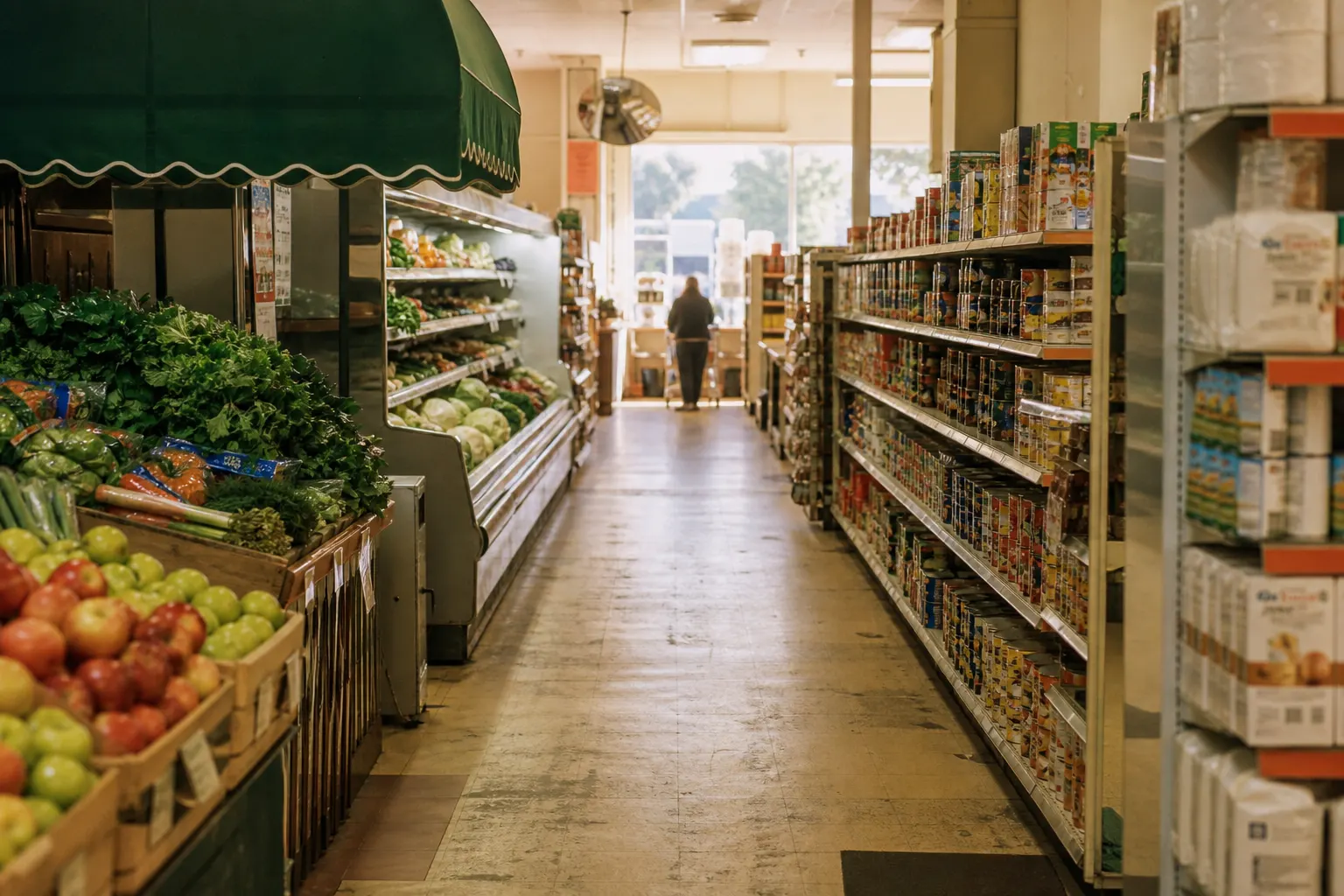
Model the valley before you order the new fascia. Then book a confidential intro with both recasts: keep the current banner, or convert. Yes, you can convert a store to a new banner — with consent, conversion cash, and a plan for the weeks shoppers and vendors learn a new name. A banner is a store brand the independent is allowed to use, such as IGA, Piggly Wiggly, or a wholesaler private-label program. It is a contract, not equity. It may not transfer without the wholesaler’s written consent at closing. A buyer who wants to “keep the IGA sign” needs that consent, not a handshake from the seller.
The parent guide is buying and converting. Also read wholesaler and banner agreements and is my wholesaler agreement transferable.
Independent supermarkets often live on a primary wholesaler — AWG, C&S, UNFI, SpartanNash, a regional co-op — plus DSD beverages, bread, snacks, and ice cream. The fascia may be a wholesaler program. Changing the fascia can mean changing the primary, the private label, the planogram, the ad circular, and the drop schedule. That is a supply-chain project. It is not a weekend of vinyl.
Consent is the first gate. The outgoing agreement may require notice, a buyout of program fixtures, or a personal guarantee the new owner cannot assume. The incoming wholesaler will underwrite the buyer the way a landlord does: financials, experience, and whether the box meets drop-size minimums. Rural stores are fragile on those minimums. A conversion that looks good in a brand book can fail if the truck will not stop.
Lease language can block a fascia change: signage criteria, exclusive use that names a banner, landlord approval of exterior work. Assignment and conversion are different consents. Get both. Exclusive use and co-tenancy still matter after the new sign is up.
Conversion cost is more than the monument sign. Interior package, endcaps, tag systems, discontinued SKUs that will not move under the new planogram, training, and extra labor for the reset all hit cash. Inventory night still counts sellable stock at cost; a reset does not make dated product more valuable. Write what happens to program-owned fixtures.
Then model the valley. Shoppers who came for a circular, a private label, or a familiar name will test the new box. Some will not come back. FMI’s Speaks sample puts average food-retailer net profit at 2.1% in 2025. That thin net is why a few lost weeks of volume show up in the note. The Speaks supermarket weekly-sales figure ($668,377 average in 2025) is the wrong benchmark for your independent; use this store’s scan. Price language remains recast SDE times a defendable multiple plus inventory at cost. BizBuySell’s grocery sold sample averaged a 3.38 earnings multiple in 2025, with a 2021–2025 IQR of 1.60–3.15. A conversion story does not earn the top of that band until the valley is funded.
SBA 7(a) can fund a change of ownership up to a $5 million maximum when the borrower is creditworthy with a reasonable ability to repay. Lenders will ask whether month-one DSCR assumes the old banner’s sales or the new one’s. If you tell the lender the old run-rate and then strip the fascia, you have a credibility problem. Put the valley in the projection. Working capital is the cash to buy the next load through that valley, not a vibe.
Banner fees and program charges belong in the recast as continuing costs if the buyer will keep the fascia. If the buyer will not, take them out of going-forward SDE and put conversion cost and lost volume into the cash plan instead. Related-party rent still gets recast to market either way. Add-backs that repeat every year are the business.
USDA FNS: SNAP authorization does not transfer. The new owner files a new application for the location and owners on record. A conversion does not skip that filing. A legal-name or store-name change can add work on the retailer file; confirm with FNS on the facts in front of you. Alcohol agencies still have to approve the incoming licensee if beer or wine is material. Tobacco and lottery do not become simpler because the sign changed. Lottery contracts are often personal.
DSD vendors will reset to the new program only if someone is paying them and someone is ordering. Seller transition hours should not be spent arguing about paint while receiving falls apart. See what is a fair transition period. Employees learn from vendors and shoppers; a conversion rumor during a confidential sale is how the floor panics. Keep marketing blind until you own the box, then convert on a calendar the staff can survive.
Keeping the banner is often the cheaper close when the program is the traffic engine, when the incoming wholesaler will not match terms, when the landlord will not approve a new fascia, or when the buyer’s 7(a) DSCR cannot absorb a valley. Changing banners is the right close when the current program is overpriced, when the wholesaler will not onboard the buyer at all, or when the buyer already runs a regional fascia and can actually stock it.
Do not convert for sport in the first 90 days. Post-close, those days are vendor trust, shrink, and not changing the mix because a new circular looks exciting. Distressed stores still have inventory and a lease; a conversion novel is not a substitute for pricing those.
Book a confidential intro with two recasts, the current wholesaler page, and a valley sketch. Jason Taken at Grocery Store Business Broker (HedgeStone Business Advisors) will tell you whether the conversion is a close plan or a second business you cannot fund. Read buy an independent supermarket and how a sale works so the fascia decision sits on a real file. If the incoming wholesaler has not said yes in writing, you do not have a conversion — you have a hope and a sign order.
Use this napkin recast on Can I convert a store to a new banner? when you book the call. It is labeled illustrative. BizBuySell's 2025 grocery sold-business earnings multiple averaged 3.38, with a 2021-2025 IQR of 1.60-3.15.
| Input or output | Illustrative figure |
|---|---|
| Weekly sales (illustrative) | $168,000 |
| Annual sales | $8,736,000 |
| Recast SDE | $358,176 (4.1% of sales) |
| Inventory at cost | $624,000 (~14 turns) |
| Occupancy check | $235,872 / year (2.7% of sales) |
| Low going-concern | $1,394,078 at 2.15x SDE + inventory |
| High going-concern | $1,644,802 at 2.85x SDE + inventory |
| Sketch DSCR on a note | 1.49 |
If weekly sales or shrink move 8 percent, the SDE and the note move with them. That is why Jason Taken starts with scan data and the lease, not with a neighbor's rumor multiple.
Book the intro call with your side of the table ready: seller files or buyer capital. The calendar is the only next step.
Print these, mark them up, and bring the marked copy to the intro. They are educational. They are not a valuation letter and not a listing. All downloadable guides.
Have the file ready so the hour is a recast, not a scavenger hunt. Then pick a time.
Get a specialist on the other side of the table
Grocery deals turn on licenses, inventory, and a recast a lender will believe. Book the intro and bring the file.
Book an Intro Call With Jason TakenNot automatically. The banner is a contract with the wholesaler or licensor. A buyer who wants to keep the sign needs written consent, not a handshake from the seller.
Fascia, interior package, planogram resets, discontinued SKUs, training, and working capital through the valley. Do not treat conversion as paint. Model lost weeks of sales against FMI-thin grocery nets.
Ownership change already requires a new SNAP application. USDA FNS: the permit is valid only for the location and owners on record. A fascia change does not replace that filing, and a name change can add retailer-file work. Confirm with FNS on the actual facts.
Usually after you own the box, with consent in hand and a valley in the cash plan. Converting during a seller’s last weeks is how you confuse vendors and the floor at the same time.
Compare program fees, wholesaler terms, and the modeled valley to the benefit of your preferred fascia. Bring both recasts to a confidential intro at /book/.
Start a confidential grocery conversation
Whether you are exiting or acquiring, pick a time and we will talk through the file.
Book an Intro Call With Jason TakenThis page is educational information from Grocery Store Business Broker (HedgeStone Business Advisors). It is not legal, tax, or investment advice. Licensing, tax, and financing rules vary by state and deal. Confirm every item with counsel and your lender before you sign.
Ready when you are. Jason Taken will talk through the file.
Book a confidential intro