How do I sell an Atlanta grocery without the floor finding out?
Package the recast, lease abstract, and license list first. Release a blind teaser to funded operators under NDA. Tell managers when paper needs them, not the week the teaser goes out.
Grocery Store Business Broker · HedgeStone Business Advisors · Jason Taken
Last updated 2026-09-04
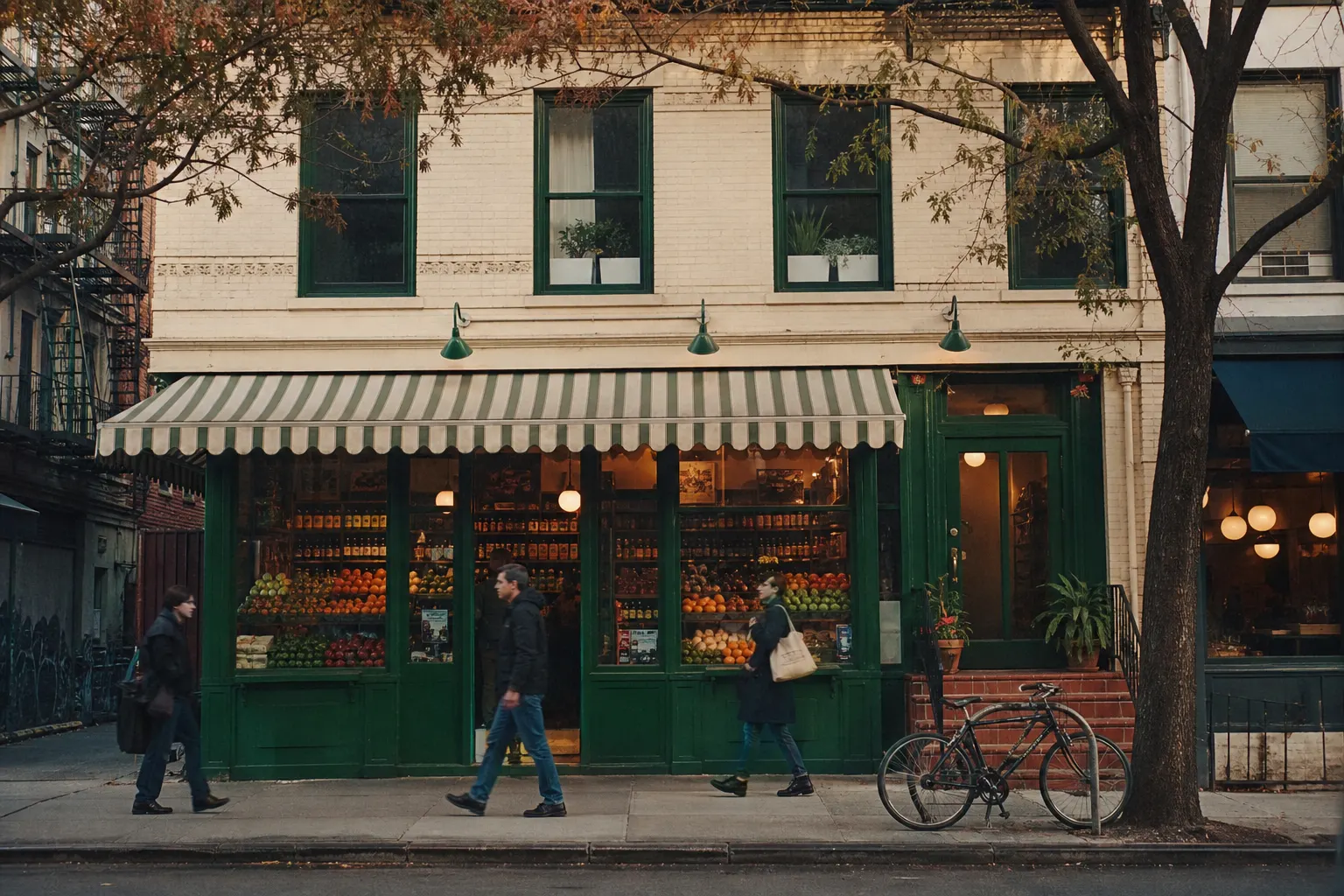
An Atlanta independent is a going concern with a lease, a recast, and a stack of licenses — not a weekly-sales rumor. If you own the store, start by recasting the P&L and selling it confidentially so vendors and the floor do not learn from a vestibule sign. If you want the keys, underwrite the assignment, a new SNAP file, and beer and wine through the Georgia Department of Revenue, Alcohol and Tobacco Division. Book a confidential intro when you want that work sequenced. Email jason.taken@hedgestone.com if you want the hour on the calendar.
Grocery Store Business Broker — HedgeStone Business Advisors, led by Jason Taken — works both sides of an Atlanta file. Statewide tax and alcohol detail lives on sell a grocery store in Georgia and buy a grocery store in Georgia. This page is the metro reading: how the recast is built, how Buford Highway differs from a suburban banner box, and how a buyer prices occupancy from the lease in hand.
FMI reports $1 trillion in U.S. supermarket sales in 2025, 45,575 stores in 2024, average weekly supermarket sales of $668,377, $19.59 in weekly sales per selling square foot, and a 2.1 percent average net profit for food retailers. Those are channel facts. They are not your Atlanta week. Trade talk sometimes cites independent net in a 1–3 percent band; that range is not an official NGA primary statistic in this research pack. Your recast is the number that matters.
A seller who prices from weekly rings will meet a buyer who asks for SDE. Recast means putting owner compensation, one-time repairs with invoices, and personal items back into cash — and taking related-party rent to market if the buyer will pay a third-party landlord. Family hours that disappear after closing are not an add-back. They are unpaid labor the next operator has to hire.
Package three years of P&Ls, sales-tax filings, scan exports, and EBT settlement before you talk to anyone outside counsel and a CPA. Tie weekly sales to those files. A department mix that hides meat shrink under a pretty grocery gross will not survive diligence. Read preparing three years of financials if the room is not already in one binder.
Confidential outreach is a sequence, not a listing site. Counsel and a CPA first. Then a blind teaser that names a part of metro, a format, and that inventory will be counted at cost — not the only supermarket on that corner. NDA, then a CIM. Managers hear when assignment, transition hours, or a wholesaler consent needs them. How to sell a grocery store confidentially is the longer sequence.
Georgia generally exempts eligible food and food ingredients from state sales tax. Local sales taxes may still apply to groceries. Confirm Georgia DOR food-exemption guidance and the store’s local rate before you treat “tax-free food” as a statewide fact. The recast should show what the store actually remits, not what a neighboring county remits.
Most states repealed UCC Article 6. Georgia may still impose sales-tax successor liability, a bulk-sale notice to the revenue agency, or a tax-clearance practice on an asset sale. Confirm the current notice and any escrow holdback with counsel and Georgia DOR before closing. Do not assume a repealed Article 6 means there is no tax successor risk.
Buford Highway through Doraville and Chamblee is a documented Asian and Latino independent corridor in local press and ACS tables. The aisle mix, language on the floor, and vendor list are not the same as a conventional box facing Publix or Kroger in an inner-ring suburb. Do not apply a suburban banner story to that file. Do not invent a share-of-population percentage for the corridor. The qualitative fact is enough: the trade area shops those independents for goods the banners do not stock the same way.
Publix, Kroger, Ingles on the north and east edge, and Aldi are competitive context. They set price, circular cadence, and private-label pressure. They are not stores for sale on this page. A buyer who wants “the Atlanta multiple” because a banner opened two miles away is pricing fear, not this P&L. Walk the competitive set. Then return to this store’s scan, shrink, and remaining lease term.
A first-time operator can still fund a change of ownership. SBA 7(a) can finance that purchase; the published maximum is $5 million. The lender will still want a recast, a lease the landlord will assign, and a SNAP path the buyer can actually file. Buying as a first-time owner and SBA 7(a) for grocery acquisitions are the longer notes.
An operator who already runs one or two boxes in Gwinnett or Cobb will underwrite faster than a resume with no grocery hours. That is not a rule against first-time buyers. It is a reminder that the landlord, the wholesaler, and USDA FNS each ask who will stand in the store. Write that person into the CIM. Do not write a hoped-for manager who has not agreed to stay.
Beer and wine privileges are not an asset you convey with the stockroom. The named agency is the Georgia Department of Revenue, Alcohol and Tobacco Division. Sunday hours, county wet/dry, and package versus grocery privileges still vary inside the metro. Confirm the county and the city on the address, not a rumor from the next exit. Package stores are typically a separate class; this research pack does not treat Georgia as a grocery-spirits state.
The incoming owner files with DOR and the local issuing authority. Transfer is not automatic. Build the calendar into the LOI so closing is not a Tuesday with no privilege. Distance rules and local licensing still apply; verify them on the address, not on a neighboring strip. Liquor license due diligence and transferring your liquor license are the reading list. Tobacco enforcement sits with the same Alcohol and Tobacco Division. Georgia Lottery is a separate file if the store sells tickets. A seller who treats lottery, tobacco, and beer as one “license line” is mixing three agencies.
SNAP authorization does not transfer. USDA FNS requires the new owner to file a new retailer application. Budget cash for the gap if EBT is a material share of the week. What happens to SNAP authorization when you sell is the federal rule in one place. WIC is a Georgia Department of Public Health program; it is another incoming-owner file, not a courtesy the seller hands over.
Retail food sits with Georgia Department of Public Health and the county health department that inspects the box. DeKalb, Fulton, and Gwinnett are different desks. Call the department that holds the current permit. Do not assume a Fulton letter satisfies a DeKalb inspector.
Georgia has no state minimum wage above the federal floor. The U.S. Department of Labor WHD consolidated table effective July 1, 2026 lists federal $7.25 for FLSA-covered employers here. Recast labor on what this store actually pays, including any local ordinance that sits above that floor. Confirm Georgia DOL posters with counsel.
The only sourced transaction sample on this site is BizBuySell’s grocery and supermarket sold set: 3.38 average earnings multiple in 2025, 2.66 five-year average, interquartile range 1.60 to 3.15, and a 2025 average revenue multiple of 0.43. Those figures attach to recast earnings on a national listing-site sample. They are not an Atlanta sold-comp. They are not your asking price. The valuation hub is the method. How to value a grocery store walks the same argument.
A buyer should reject “inventory adjustments” as a standing add-back. Hold back unsellable on the count. Tie Atlanta weekly sales to scan and EBT deposits. Read drop minimums and wholesaler over-advances as debt, not as a multiple conversation. If the seller owns the real estate, recast the store on a market rent you can defend, then price the dirt as a second asset. Selling with a lease versus real estate keeps those piles apart.
Occupancy is rent — base, CAM, tax, insurance — divided by this store’s sales. Pull both numbers from the lease and the P&L. This research pack does not attach a public CBRE or Cushman asking-rent table for Atlanta, so no dollar-per-square-foot rent belongs on this page. FMI’s $19.59 weekly sales per selling square foot is a supermarket channel productivity figure. It is not a rent target.
Lease due diligence is the assignment, remaining term, options, co-tenancy, and use clause. A landlord who can recast rent as the price of consent changes the P&L. Underwrite occupancy after that conversation, not before.
Inventory is a current asset that turns. Buyers pay cost for what is on the shelf, in the cooler, and in the back room, counted at close. How inventory is counted at closing is the procedure. Department the count. Meat and produce are not grocery dry. Deli and bakery spoil on a different clock than canned goods. A seller who wants retail on the room is selling a markup the buyer cannot keep. A buyer who accepts a seller’s “about” number without a night count is financing shrink.
The lease is usually the binding constraint on an Atlanta city box. Some older neighborhood stores and inner-ring suburbs own the building. Confirm the file. This page does not invent a leasehold split. If the box is leased, the assignment is a person: the landlord, the remaining term, and whether options survive. If the box is owned, you still recast store earnings on a rent the next operator would pay.
Wholesaler and banner agreements are their own consents. Wholesaler and banner agreements when you sell is the checklist. A drop that requires a personal guarantee from the incoming owner is a closing item, not a surprise after the count.
Buyers who want a Georgia search should treat Atlanta as a set of files, not as a listings board. This site does not publish live Atlanta inventory. The work is the recast, the lease, and the license calendar.
Bring P&Ls, the lease, the last health inspection, and a honest note about family hours. Grocery Store Business Broker will not invent a metro population, a grocery-density figure, or a rent range this research pack left null. We will recast the store you actually run and map SNAP, DOR Alcohol and Tobacco, county health, and Georgia Lottery if tickets are on the counter.
Book a confidential intro to start that file. Email jason.taken@hedgestone.com if you want the same hour in writing. About Jason Taken is the desk. Bring the last three P&Ls and the lease if you have them. The next step is the recast, not a vestibule sign.
These figures are a teaching walk-through for Recast and sell an Atlanta grocery store, not a quote and not a sold comp. Order of operations: weekly sales, recast SDE, inventory at cost, then a multiple band. Metro pages talk corridors and operators. They do not invent asking rents or establishment counts.
| Input or output | Illustrative figure |
|---|---|
| Weekly sales (illustrative) | $92,000 |
| Annual sales | $4,784,000 |
| Recast SDE | $148,304 (3.1% of sales) |
| Inventory at cost | $398,667 (~12 turns) |
| Occupancy check | $110,032 / year (2.3% of sales) |
| Low going-concern | $673,029 at 1.85x SDE + inventory |
| High going-concern | $799,088 at 2.70x SDE + inventory |
| Sketch DSCR on a note | 1.35 |
If weekly sales or shrink move 8 percent, the SDE and the note move with them. That is why Jason Taken starts with scan data and the lease, not with a neighbor's rumor multiple.
Book the intro call with your side of the table ready: seller files or buyer capital. The calendar is the only next step.
Print these, mark them up, and bring the marked copy to the intro. They are educational. They are not a valuation letter and not a listing. All downloadable guides.
Have the file ready so the hour is a recast, not a scavenger hunt. Then pick a time.
Get a specialist on the other side of the table
Grocery deals turn on licenses, inventory, and a recast a lender will believe. Book the intro and bring the file.
Book an Intro Call With Jason TakenPackage the recast, lease abstract, and license list first. Release a blind teaser to funded operators under NDA. Tell managers when paper needs them, not the week the teaser goes out.
The Georgia Department of Revenue, Alcohol and Tobacco Division, plus the city or county that issued the local privilege. Sunday hours and wet/dry still vary inside the metro. Approval is not automatic with the asset sale.
As competitive context. Those banners set price and circular pressure in many trade areas. They are not live listings on this page and they are not a sold-comp for your box.
At cost, counted at close, usually as a separate line. Unsellable and out-of-date stock comes off the count. Do not bury working capital inside goodwill.
Georgia Department of Public Health sets the food code. DeKalb, Fulton, and Gwinnett each run their own health departments. Confirm the desk that holds the current retail food file.
Start a confidential grocery conversation
Whether you are exiting or acquiring, pick a time and we will talk through the file.
Book an Intro Call With Jason TakenThis page is educational information from Grocery Store Business Broker (HedgeStone Business Advisors). It is not legal, tax, or investment advice. Licensing, tax, and financing rules vary by state and deal. Confirm every item with counsel and your lender before you sign.
Ready when you are. Jason Taken will talk through the file.
Book a confidential intro