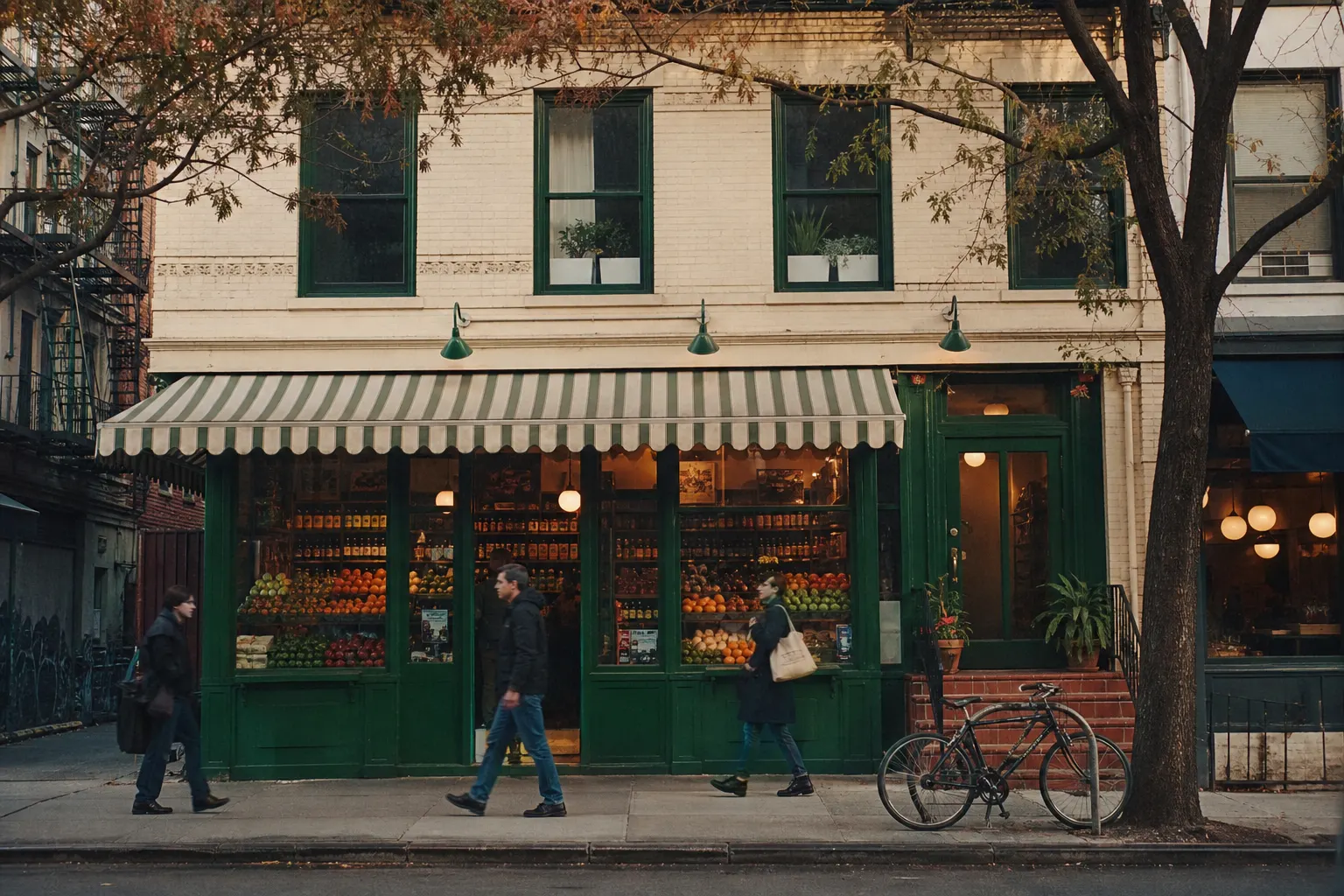
A Phoenix independent is not “Arizona grocery” with extra heat. It is a competitive set: Fry’s (Kroger), Bashas’ Food City and AJ’s, Safeway, and Sprouts on one side of the street, and Mexican independents in central and west Phoenix on the other. HedgeStone’s grocery practice — Grocery Store Business Broker, led by Jason Taken — underwrites the valley file as a language-and-produce problem first and a multiple second. Book a confidential intro with the DLLC series, the Maricopa inspection history, and weekly scan. Email jason.taken@hedgestone.com if you want that sitting.
The Arizona seller page and Arizona buyer page carry statewide statute. This essay is the metro: off-premise liquor that can include spirits, county environmental health, city transaction privilege tax that can still hit food, and a $15.15 indexed wage floor on the DOL table. No CBSA population, no grocery-density count, and no public rent-per-foot table appear in the research pack. Those fields stay unused.
Food City is the neighbor you actually compete with
Bashas’ operates Food City as a Hispanic banner and AJ’s as a specialty banner. Conventional buyers who only tour Fry’s and Safeway will mis-read a west Phoenix independent that lives on carnecería, tortillas, and produce the warehouse conventional set does not stock. The research file names central and west Phoenix Hispanic corridors as Mexican independents against that Food City competitive set. Qualitative only. Do not invent a percentage of valley shoppers.
Sell a Hispanic grocery if you own that book. Buy a Hispanic grocery if you think you can staff it. Register Spanish is table stakes. A tourist buyer who plans to reset the aisle to conventional center store is a shrink plan. Produce shrink is the underwriting core. If shrink is “about two percent” with no count history, assume it is worse. Read shrink, margin, and turns.
Sprouts steals the natural and perimeter trip in some east-valley boxes. Fry’s and Safeway set suburban hours and pharmacy expectations. None of those banners is a sold listing here. An independent still has to name the trips they take that those banners will not. Associated Wholesale Grocers, UNFI, and C&S Wholesale Grocers show up on Arizona independent invoices. Drop minimums and whether the warehouse will open a new account belong in wholesaler and banner agreements.
Federal healthy-food financing and local food-access programs may apply in Phoenix-area tracts. No dollar figure is recorded. Do not capitalize a grant.
DLLC series, not a slogan about “full liquor”
Arizona is a license state. The Department of Liquor Licenses and Control issues off-premise series. Off-premise licenses can include wine in grocery when the store holds the privilege. Spirits are generally allowed in grocery with an off-premise license, with local exceptions possible. Some series are limited. DLLC must approve a transfer. Quota or limited-series paper can have market value. Confirm series and county availability before you write a price. Liquor-license due diligence and what happens if the liquor license is quota are the checklists. Do not treat the cooler as proof of the series.
A teaser that says “beer, wine, and spirits” without the DLLC class is a rumor. A buyer who models spirits margin on a beer-and-wine-only series is buying a hole. Put the license number and class in the CIM.
Maricopa environmental health and the rest of the permit stack
Arizona Department of Health Services and county environmental health share retail-food oversight. In this metro, Maricopa County environmental health is the desk that has the inspection file. Plan-review letters, pest logs, and the last cooler violation belong in the data room. A format that also holds a kitchen may sit in a different review track. Pull the permit.
Arizona Department of Health Services runs WIC. Arizona Lottery is a separate retailer contract. Tobacco licensing sits with Arizona Department of Revenue, with DLLC as applicable. Walk those as WIC, lottery, and tobacco. USDA FNS issues SNAP retailer authorization to named owners. The incoming purchaser files a new application. The seller’s EBT permission does not ride the APA. EBT deposits should reconcile to scan. EBT and SNAP due diligence is how you catch a gap.
Heat, hours, occupancy, and TPT
Desert occupancy is a ratio, not a brochure. This pack has no CBRE table for Phoenix grocery rent. Model rent plus NNN as a share of sales. Use the rent checker. Lease due diligence includes HVAC capacity and after-hours access when summer nights still need a closer. Landlord consent belongs in the LOI.
Arizona does not levy a state-level grocery sales tax on qualifying food. Cities levy transaction privilege tax. Some localities tax food. Confirm TPT classification and the city rate for the exact address. State-by-state grocery sales tax is the map. POS coding has to match the city, not a memory of “Arizona doesn’t tax food.”
The DOL July 1, 2026 consolidated table lists Arizona at $15.15. The rate is indexed. Confirm Industrial Commission of Arizona current rate and paid-sick-time rules. A recast that only works because the owner closes six nights at below-market pay will fail when a buyer staffs the same hours. How much does a grocery store owner make is a labor question as much as an earnings question.
Most states repealed UCC Article 6. Arizona may still impose TPT successor liability, a bulk-sale notice, or a tax-clearance practice. Confirm Arizona DOR on the asset sale. Tax clearance and bulk sales law are the names. Most independents close as an asset sale.
Earnings language a valley lender will accept
This site will not invent a Phoenix SDE dollar band or an asking-price average. The sourced national grocery sold sample is BizBuySell: 3.38 average earnings multiple in 2025, 2.66 five-year average, IQR 1.60–3.15, and 0.43 average revenue multiple on the 2025 sold sample. Apply that band to recast SDE after market labor and market occupancy, then add inventory at cost. A limited liquor series, a short lease, or a key-person butcher moves you inside the IQR. The grocery store valuation hub and recasting a grocery P&L are the method.
SBA 7(a) can finance a change of ownership up to the published $5 million maximum. Tax returns, scan, and a lease remaining term still have to exist. Can a first-time buyer get financed is honest about grocery hours. Buyer cash to close should include inventory and a SNAP-lag pad.
Summer nights, evaporative cooling, and the lease you actually have
Phoenix boxes die on HVAC and after-hours access more often than they die on a missing “city multiple.” Read the lease for who pays for the compressor, whether after-hours HVAC is extra, and whether the landlord can recapture if a grocer leaves. Exclusive-use language matters when a Food City or a Fry’s could enter the same center. Exclusive-use clause and triple net are the vocabulary. Can I sell if my lease is ending if remaining term is the actual problem. A short remaining term is not a rounding error. It is a price cut or a walk.
Desert produce shrink is not a Midwest produce shrink. If the recast assumes a national average shrink percent with no count history, rebuild it from department mix. Meat and produce can sink a storewide margin that looks healthy in center store. How do I underwrite shrink is the question. Scan data is the adult conversation. A weekly-sales spreadsheet without department mix is a rumor.
AJ’s is Bashas’ specialty banner. Do not recast an AJ’s-adjacent independent as a Food City clone, or the reverse. The labor, the perimeter, and the shopper are different. Sprouts steals a natural trip in some east-valley trade. Name the actual neighbor, not the metro.
What a valley CIM has to say out loud
DLLC series and whether it is limited. Maricopa inspection history. City TPT classification for the address. Warehouse drop terms. Whether the owner is the butcher and the closer. Weekly scan against summer and winter patterns — snowbird months are a real pulse in some boxes, and they are not a license to annualize January as if it were July. Anatomy of a grocery P&L is how you show that. Verifying sales with scan data is how a buyer stops arguing.
If the seller owns the building and the land, recast the grocery on market rent, then talk realty. Grocery store with real estate is a second underwriting. This pack has no cap rate and no rent table. Earnest money and standby agreement if SBA or a seller note is in the structure. What is a standby seller note is the stacking question.
Snowbird weeks versus monsoon weeks
Some east-valley and west-valley boxes feel a winter visitor pulse. Some do not. Prove it with weekly scan, not with a story about snowbirds. Summer monsoon humidity and 110-degree receiving docks are a shrink and HVAC problem, not a romance about desert living. If the P&L only works in January, say so. A buyer who annualizes the high season is overpaying. A seller who hides the summer hole is wasting diligence.
West Valley conventional boxes in Surprise and Glendale sit in the state file as suburban conventional and Hispanic banners. If that is the actual store, underwrite that mix — do not paste a central Phoenix carnecería multiple onto a suburban Fry’s neighbor. Tucson is a different metro. This page is Phoenix.
Tobacco, lottery, and WIC remain separate Arizona files. DLLC does not swallow them. Walk each agency. WIC vendor if the store is authorized. A buyer who assumes those contracts convey with the APA will discover the gap after funding.
SBA 7(a) can finance a change of ownership up to the published $5 million maximum. TPT clearance, DLLC transfer, and Maricopa health all belong on the close calendar. How much down payment to buy still depends on the credit file. Buyer cash to close estimator should include inventory at cost and an FNS pad.
AJ’s Fine Foods is the Bashas’ specialty banner. Do not recast a carnecería as if it were AJ’s, or an AJ’s-adjacent independent as Food City. The labor and the shopper are different. Sprouts still takes a natural trip in some east-valley centers. Name the actual neighbor on the CIM.
Snowbird volume is a weekly pattern you prove with scan, not a license to skip July.
Keep the rumor off the sales floor. How to keep the sale confidential starts with a blind teaser and an NDA. Nearby Hispanic operators and multi-store independents who already survive DLLC are the usual list. A snowbird week still has to match the scan, not a January story told in July. Book a confidential intro with the series, the county health file, and the warehouse letter. The seller hub and buyer hub are national. This page is the Phoenix file. Maricopa Environmental Services and the DLLC series should sit in the same folder as the scan export before anyone tours.
How a buyer would price Grocery stores for sale in Phoenix
These figures are a teaching walk-through for Grocery stores for sale in Phoenix, not a quote and not a sold comp. Order of operations: weekly sales, recast SDE, inventory at cost, then a multiple band. Metro pages talk corridors and operators. They do not invent asking rents or establishment counts.
Inventory is cash at close, not a multiple. Confusing the two is how sellers over-ask and buyers under-cash the wire.
Book the intro call with your side of the table ready: seller files or buyer capital. The calendar is the only next step.
This page is educational information from Grocery Store Business Broker (HedgeStone Business Advisors). It is not legal, tax, or investment advice. Licensing, tax, and financing rules vary by state and deal. Confirm every item with counsel and your lender before you sign.