Does DSD inventory get counted at close?
Yes, if it is sellable store stock. Bread, soda, and chips in the aisle are usually store-owned once received. Write who owns consignment or stale-credit product before the crew starts.
Grocery Store Business Broker · HedgeStone Business Advisors · Jason Taken
Last updated 2026-09-04
DSD — Direct store delivery: vendors who receive, price, and stock their own sections. In an independent grocery that usually means bread, soda, chips, ice cream, cookies, water, and sometimes milk or tortillas. Those invoices live outside the wholesaler drop. Recast both books or you do not have grocery COGS.
Ask for a week of route invoices and the vendor list before you trust the P&L. Grocery Store Business Broker — HedgeStone Business Advisors, led by Jason Taken — treats DSD as part of the store, not as “the soda guy.” Book a confidential intro when you can name the routes that keep the beverage aisle full.
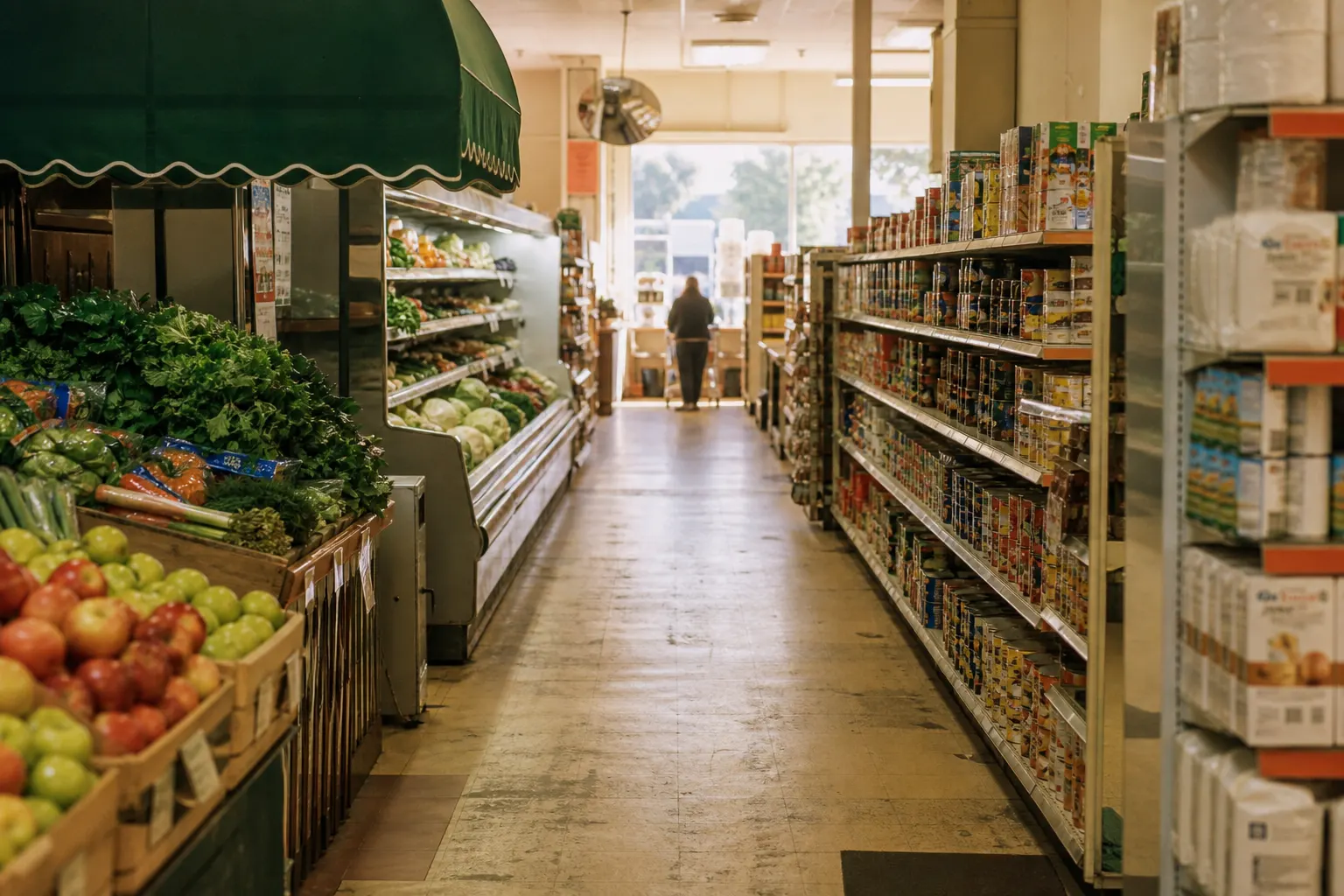
Walk the store. The bread table, the Pepsi or Coke racks, the Frito-Lay run, the ice cream coffin, and some dairy are often serviced by a driver who works for the manufacturer or a jobber. That driver writes the order, rotates dates, and pulls stale. The warehouse invoice will show canned beans and paper. It will not show the 2-liter wall.
Center store still has warehouse product. Beverage and snacks often do not. A buyer who only reads Associated, C&S, or UNFI statements will understate purchases and overstate margin. Anatomy of a grocery P&L is where those two books should meet.
FMI’s 2.1 percent average net profit for food retailers in 2025 is a reminder that grocery is thin. Missing a beverage book is not a rounding error on a 2.1 percent net. It is how a “healthy” recast becomes a store that cannot pay the bottler.
Pull warehouse statements and DSD invoices for the same weeks. Credits for stale bread and dented soda belong in that recast; they are not a secret add-back. A store that never records DSD purchases and then “finds” cash in the register is telling you the books are incomplete. Recasting a grocery P&L is the method. Shrink on DSD is still shrink: the driver can rotate, but unpaid consumption and back-door theft still hit the owner.
Do not add back the driver’s hours. That labor is inside the vendor’s cost. Do add back a store employee who only exists to finish a reset the vendor already billed, if that wage leaves with the seller — and only if a buyer will not need the same hours.
Scan data should show bread, soda, and snacks even when the warehouse book does not. If scan has the category and the P&L has no purchases, you have a hole, not a margin miracle.
Inventory at cost includes sellable DSD product the store owns. Write the rule: dated bread past the code, opened ice cream, and vendor-owned consignment stay out. How inventory is counted at closing is the procedure. The crew still has to price the racks.
After close, routes keep arriving. The account name on the bottler and baker files has to change, or the driver will look for the seller. A sloppy APA that schedules equipment and warehouse contracts and forgets DSD is how Monday’s dock becomes a cash call. Put the vendor list on an APA schedule. Say who is current, who has a deposit, and who will require a new application.
If you have the route list and a month of invoices, bring them. Book the intro with those pages and the warehouse statement for the same month. The hour is for both books, not for a margin that only exists because soda was invisible.
Price language for DSD vendors on a grocery file is (recast SDE x a defendable multiple) + inventory at cost, plus or minus lease and license risk. The table is one consistent example for this URL.
| Input or output | Illustrative figure |
|---|---|
| Weekly sales (illustrative) | $124,000 |
| Annual sales | $6,448,000 |
| Recast SDE | $335,296 (5.2% of sales) |
| Inventory at cost | $322,400 (~20 turns) |
| Occupancy check | $161,200 / year (2.5% of sales) |
| Low going-concern | $892,403 at 1.70x SDE + inventory |
| High going-concern | $1,277,994 at 2.85x SDE + inventory |
| Sketch DSCR on a note | 1.48 |
Inventory is cash at close, not a multiple. Confusing the two is how sellers over-ask and buyers under-cash the wire.
Book the intro call with your side of the table ready: seller files or buyer capital. The calendar is the only next step.
Print these, mark them up, and bring the marked copy to the intro. They are educational. They are not a valuation letter and not a listing. All downloadable guides.
Have the file ready so the hour is a recast, not a scavenger hunt. Then pick a time.
Get a specialist on the other side of the table
Grocery deals turn on licenses, inventory, and a recast a lender will believe. Book the intro and bring the file.
Book an Intro Call With Jason TakenYes, if it is sellable store stock. Bread, soda, and chips in the aisle are usually store-owned once received. Write who owns consignment or stale-credit product before the crew starts.
Because the bottler billed the store directly. Warehouse COGS is one book. DSD is another. Add the route invoices before you call grocery gross margin finished.
Whoever is on the account. Routes keep rolling if someone is current. A close that forgets the bottler, baker, and snack jobber is how Monday’s dock becomes a cash crisis.
The driver stocks the aisle. That labor is in the vendor’s cost, not on your payroll — unless the store also pays a courtesy clerk to finish the reset. Do not add-back a wage that was never yours.
Start a confidential grocery conversation
Whether you are exiting or acquiring, pick a time and we will talk through the file.
Book an Intro Call With Jason TakenThis page is educational information from Grocery Store Business Broker (HedgeStone Business Advisors). It is not legal, tax, or investment advice. Licensing, tax, and financing rules vary by state and deal. Confirm every item with counsel and your lender before you sign.
Ready when you are. Jason Taken will talk through the file.
Book a confidential intro