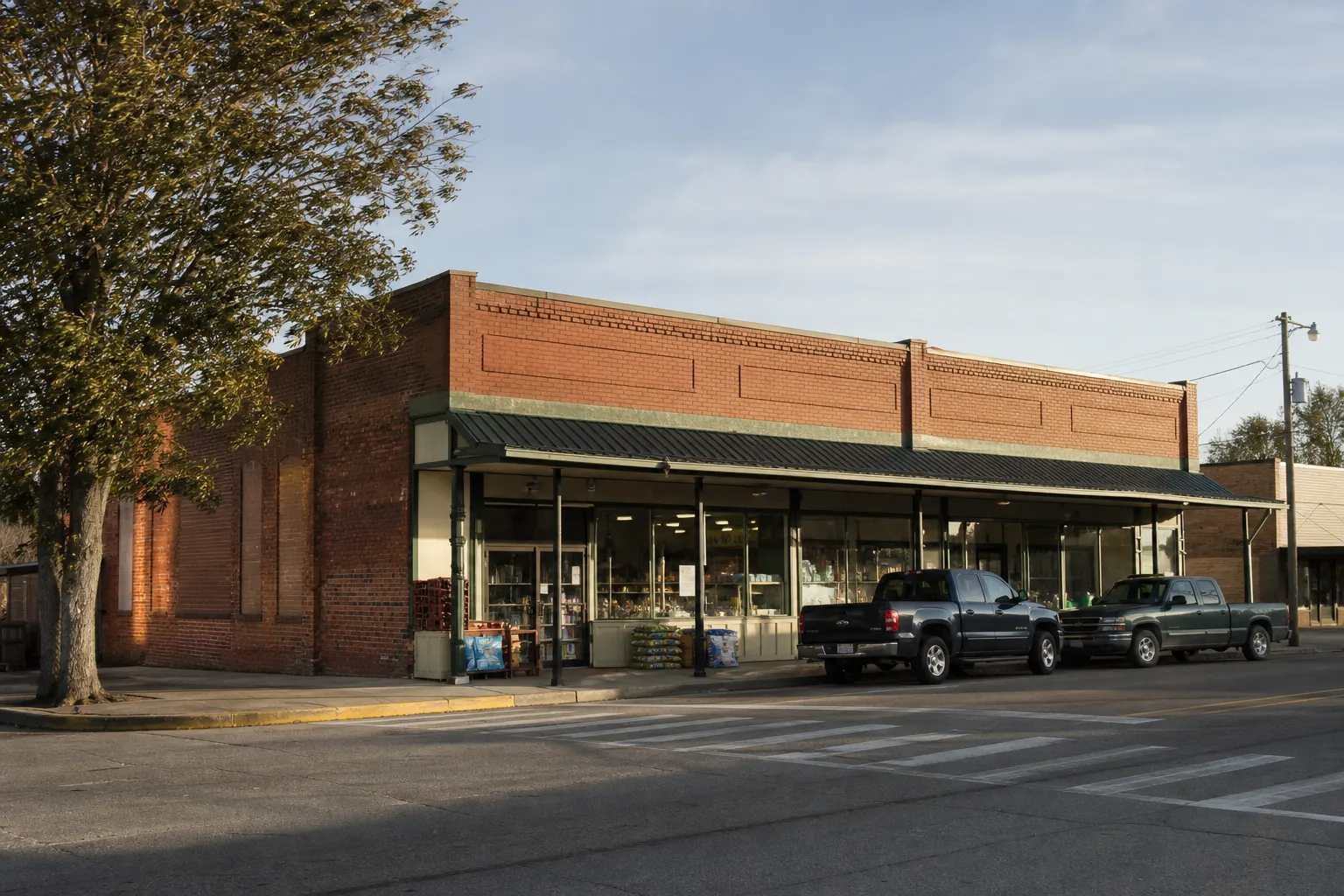
Two hundred twenty-one grocery establishments is a rumor network before it is a market. County Business Patterns 2023 counts 221 NAICS 445110 establishments in Vermont—the thinnest industry tally among these New England desks. Vintage 2024 estimates 648,493 residents. Every DSD route and town Facebook group can carry a sale rumor before a serious buyer signs NDA. Burlington specialty weeks, central small-city boxes, Rutland–Bennington border spillover, and Northeast Kingdom single-stores do not share one underwrite. Hannaford and Shaw’s set the ceiling; Price Chopper / Market 32 press southern border towns with New York and Massachusetts traffic. The SDE that closes is the one you can defend from this store’s recast—not a Channel average pasted onto a mountain week.
Begin with an earnings recast and a confidential process before the Kingdom grapevine hears. DLL agency status, Vermont Department of Health transfer, and landlord consent belong on a dated plan—book a confidential intro to build it. jason.taken@hedgestone.com confirms the slot in writing. HedgeStone’s Grocery Store Business Broker desk, led by Jason Taken, works Vermont grocery sell-side and buy-side files. Start the buy brief at buy a grocery store in Vermont.
Chittenden specialty, border spillover, Kingdom single-store
Burlington and Chittenden County carry the primary independent and specialty market—student and professional traffic, specialty SKUs, and occupancy that does not travel to the Kingdom. Montpelier, Barre, and central Vermont are small-city independents with steadier but thinner trade areas. Rutland and Bennington sit on southern border trade with New York and Massachusetts spillover; Price Chopper pressure is real and price perception travels across the state line. The Northeast Kingdom is rural single-store territory where winter freight, outs, and manager depth dominate. Those are qualitative notes from the research file. Do not invent metro population shares or rent levels; grocery-relevant asking rent stays null here.
A buyer who wants “a Vermont independent” without naming the stretch is not underwriting. A Burlington specialty mix stocks different SKUs than a Kingdom single-store. Buying an ethnic market outside your community is the caution when the mix is community-specific. Underwrite the week, the shrink, and the remaining lease term. Rural grocery preservation is a recurring theme—verify current ACCD or USDA notices rather than inventing a grant dollar.
Hannaford (Ahold Delhaize), Shaw’s (Albertsons Cos.), and Price Chopper / Market 32 (Golub) are competitive context. Walk their sets, then return to this scan file. A Hannaford multiple does not travel onto a Kingdom mix that still wins on hours or loyalty. Associated Grocers of New England, C&S Wholesale Grocers, and UNFI appear as named wholesalers. An AGNE retailer is not a listing and is not a Hannaford. Schedule warehouse consent beside the landlord—wholesaler and banner agreements when you sell. Put membership equity and deposits in the CIM as scheduled items. In a 221-store state, warehouse drivers and neighboring operators hear rumors fast—sequence NDA before warehouse gossip.
DLL beer-and-wine aisles versus agency spirits contracts
Vermont is a NABCA control state. The Vermont Department of Liquor and Lottery licenses beer and wine retail; spirits are sold through agency stores. Confirm whether this grocery location also holds an agency liquor contract. Agency appointments are limited. DLL must approve the incoming party; agency contracts are not automatic with the grocer’s asset sale. A hoped-for spirits aisle that the appointment does not allow is not an add-back. This is not Missouri-style grocery spirits by default, and it is not New Hampshire’s outlet-only channel—Vermont’s agency model sits between those poles. Liquor license due diligence is the longer note.
Retail food sits with the Vermont Department of Health. Confirm the desk that holds the current permit. Tobacco can touch DLL and Tax as applicable. Vermont Lottery sits with the Department of Liquor and Lottery—lottery is a real transfer line when tickets are in the vestibule, and DLL’s dual liquor-and-lottery role can put both on one diligence calendar. WIC sits with Vermont Department of Health — WIC. Write DLL agency versus beer/wine status after NDA; keep the blind teaser at a regional grain so it does not identify the only Kingdom box in that town.
Exempt grocery shelves, taxable prepared and meals
Vermont generally exempts eligible grocery food from sales tax. Prepared food is taxable. Confirm Vermont Department of Taxes food versus meals guidance. Split the remittance story: exempt grocery, taxable merchandise, and prepared food. A buyer who imports New Hampshire’s zero state sales tax invents remittance on a Vermont deli week. A buyer who pastes Maine Rule 703 language without checking Vermont Tax guidance invents a different remittance story. Show the meals tape for this register.
Ask Vermont Department of Taxes whether a tax-clearance letter or successor-liability holdback belongs in escrow. Counsel should confirm current notice practice. WHD effective July 1, 2026 lists Vermont at $14.42. Recast on what this store pays. Confirm Vermont DOL posters. A Burlington crew already above $14.42 should not be modeled as if wages drop the Tuesday after close when Hannaford is hiring in the same labor pool.
Thin-market CIM work when towns already talk
In a state this small, confidentiality is the first asset. Start with counsel and a CPA, then a blind teaser that names Burlington/Chittenden, central, Rutland/Bennington border, or Northeast Kingdom—format and inventory at cost, never the only box in that town. After NDA, hand over departmental sales, the lease abstract, DLL beer/wine versus agency status, and exempt versus prepared remittance. Managers hear when assignment or training hours need them; a vestibule flyer teaches the town first.
Clean owner compensation, documented one-time repairs, and personal items from the P&L. Take related-party rent to market when the next operator will pay a third-party landlord. Standing inventory is not an add-back. Connect the week to filings via preparing three years of financials and verifying sales with scan data. Inventory counts at cost—how inventory is counted at closing. Department the room, hold back unsellable, and treat over-advances as debt.
USDA FNS SNAP authorization does not ride with the deed. The buyer files a new retailer application. Kingdom and neighborhood boxes with a material EBT share need working capital for the gap. Write the filing into the LOI. Do not invent a Vermont SNAP-store census; retailer counts stay null. What happens to SNAP authorization when you sell is the federal rule. Ask for thirteen periods of departmental sales—including winter Kingdom weeks—and EBT settlement beside scan. Summer tourism or foliage weeks can inflate a Kingdom or border box; shoulder and deep-winter weeks expose the real occupancy and labor story.
Mountain lease math; debt only inside the $5M 7(a) cap
Pull occupancy from this lease and this P&L. No invented Burlington or Kingdom rent per square foot belongs on this page. Listing-site multiples are method context—not a Vermont sold-comp. Argue from recast earnings on the valuation hub and how to value a grocery store.
Lease due diligence walks assignment, remaining term, options, co-tenancy, and use. A landlord who rewrites rent as the price of consent changes SDE—especially in village boxes where the landlord is personal. If the seller owns the building, price the store and the dirt as separate piles—selling with a lease versus real estate. Lenders want an assignable lease and a SNAP path the buyer can file. Use SBA 7(a) for grocery acquisitions only when cash flow supports debt—SBA 7(a) maximum is $5 million. Do not force a loan story onto a Kingdom week that cannot survive winter outs. A Burlington specialty independent that already pays above $14.42 should stay in the labor model at actual wages.
DLL approval, health transfer, EBT restart, training hours
Separate LOI dates for DLL approval (and any agency-contract consent), Vermont Department of Health transfer, SNAP filing, and landlord consent—seller LOI checklist. Protect Burlington mix or Kingdom crew knowledge with transition hour language. Use staff transition and WARN notes when those rules apply. Write who opens and who cuts meat into the LOI if those people are the recast.
Vermont fights after NDA start with remittance proof, DLL agency status on this address, and whether the buyer named Burlington, central, border south, or Kingdom. AGNE equity is not an add-back. Buyers on a Vermont search should treat those four stretches as distinct files. This site does not publish live Vermont inventory. Confirm the health desk and DLL agency versus beer/wine status on the same address before you write the closing Tuesday. Lottery sits with DLL; do not invent lottery cash flow if tickets are absent.
Burlington specialty independents should show student and foliage weeks beside quiet midwinter rings so a buyer does not underwrite Chittenden traffic forever. Central small-city boxes in Montpelier and Barre need honest backup-manager depth. Rutland and Bennington border stores should separate New York and Massachusetts spillover from local rings. Kingdom single-store operators must deliver winter outs, freight notes, and who covers the floor when the owner is away—in a 221-store state, that person is the deal. Hannaford and Shaw’s pressure differs from Price Chopper / Market 32 pressure on the southern border; walk the banners that actually touch this address.
DLL agency appointments are limited. Confirm beer/wine versus agency spirits before cash-flowing a liquor aisle. Lottery sits with DLL—only transfer it when tickets exist. WIC restart sits with Vermont Department of Health — WIC. Prepared food is taxable even when grocery shelves are exempt; show the meals tape. WHD lists Vermont at $14.42 effective July 1, 2026—recast actual wages. AGNE equity is not free cash. Rural grocery preservation themes are real; verify ACCD or USDA notices rather than inventing a subsidy. SNAP must be refiled; plan EBT gap cash. A buyer who imports New Hampshire’s zero sales tax invents remittance on a Vermont deli.
Foliage and ski-adjacent weeks can inflate southern and Kingdom boxes; demand deep-winter scan before anyone debates a multiple. Village landlords can be personal—price consent as a rent rewrite when it is. Owned dirt on older Kingdom stores is a second asset pile. A Burlington specialty crew already above $14.42 stays at actual wages in the model. Thin-market gossip means NDA before warehouse drivers hear—sequence AGNE or C&S consent after serious names, not after vestibule rumors.
An agency spirits contract that DLL does not transfer is not an add-back. Prepared and meals tax on a deli-heavy Burlington independent can be material even when grocery shelves are exempt. Montpelier and Barre small-city weeks are not Chittenden specialty weeks. Rutland and Bennington border spillover without local-only proof invents SDE. Kingdom deep-winter outs belong beside foliage weeks in the scan file. In a 221-store market, neighboring operators hear rumors fast—protect the teaser grain.
Bring three years of P&Ls, the lease, the last health inspection, and the DLL file. Density, rent ranges, and SNAP-retailer censuses stay out of scope. Recast the store you run; map DLL, health, SNAP, prepared-food remittance, and occupancy from this lease. Book a confidential intro opens the file. jason.taken@hedgestone.com holds the hour. About Jason Taken names the desk. The next move is the recast—not a sign on the Kingdom road.
Worked math for Sell the Vermont independent the Kingdom still depends on
These figures are a teaching walk-through for Sell the Vermont independent the Kingdom still depends on, not a quote and not a sold comp. Order of operations: weekly sales, recast SDE, inventory at cost, then a multiple band. State pages add the tax, wage, and alcohol-agency facts for this jurisdiction. They do not invent a local sold-comp set.
Inventory is cash at close, not a multiple. Confusing the two is how sellers over-ask and buyers under-cash the wire.
Bring three years of P&Ls, weekly sales, and the lease abstract to the intro call. Jason will tell you whether this band is even in the conversation.
This page is educational information from Grocery Store Business Broker (HedgeStone Business Advisors). It is not legal, tax, or investment advice. Licensing, tax, and financing rules vary by state and deal. Confirm every item with counsel and your lender before you sign.