Is there a sourced national grocery-turn number on this site?
No. This pack does not publish a national turn table. Compute COGS divided by average inventory at cost by department. Do not invent a “good” storewide turn.
Grocery Store Business Broker · HedgeStone Business Advisors · Jason Taken
Last updated 2026-09-04
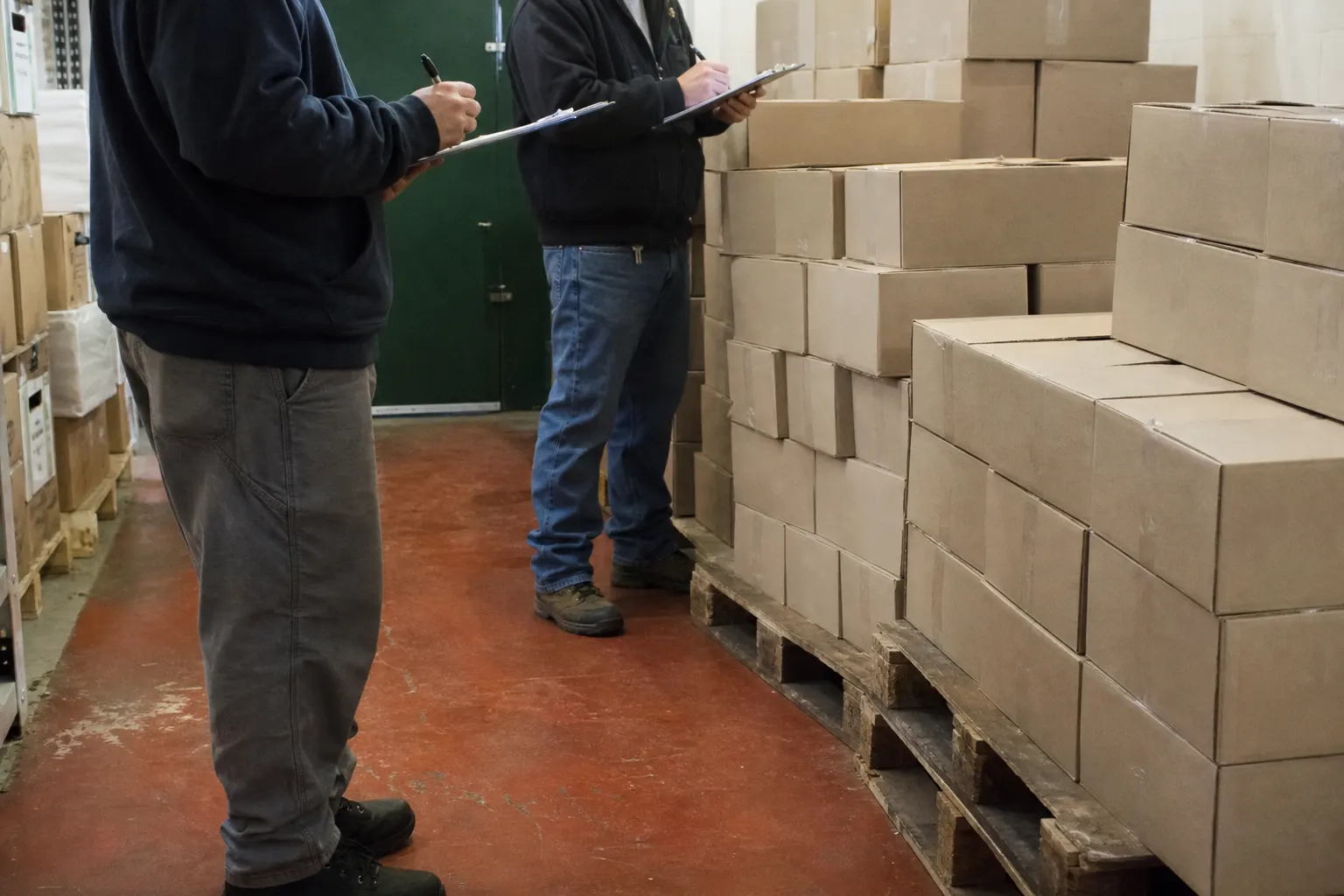
Write the count rules before you ask whether turns are “good.” A grocery inventory turn is usually annual cost of goods sold divided by average inventory at cost. This pack does not publish a national grocery-turn table. There is no citeable storewide “good” number on this page. Center store and wine do not share a clock. Meat and produce do not share a clock with supplements. Blend them and you will mis-price the room. Book a confidential intro with department COGS and a recent costed count when you want that clock read on this file.
Grocery Store Business Broker — HedgeStone Business Advisors, led by Jason Taken — treats turns as a stockroom problem, not a slogan. Shrink, margin, and turns is the operating guide. How inventory is counted at closing is the night. This page answers the turn question.
Compute turns by department. Dry grocery should not be averaged with the wine wall. Frozen should not be averaged with vitamins. A storewide turn that looks “fine” can hide a dated spice room and a meat case that is turning too fast to count. Perimeter perishables and center store live on different calendars. DSD bread and beverages turn on the vendor’s truck, not on your weekly grocery order.
FMI’s $1 trillion in 2025 supermarket sales and 45,575 U.S. supermarkets in 2024 describe the Speaks channel. FMI’s $668,377 average weekly sales per supermarket and $19.59 weekly sales per selling square foot in 2025 describe that same supermarket sample. None of those figures is a turn. Do not invent a turn from a weekly sales print. FMI’s 2.1 percent food-retailer net sample is a reminder that grocery is thin. Slow turns trap cash that a thin net cannot afford to park on the shelf.
What is a good sales per square foot is density. Turns are time. A dense aisle of dated product is a shrink plan, not a good turn.
Numerator: annual COGS for that department, from a P&L you have already reconciled to scan data and wholesaler statements. Verifying sales with scan data keeps the numerator honest. Denominator: average inventory at cost — usually beginning plus ending divided by two, or a better average if you have monthly costed counts. Retail tags are not cost. Using retail in the denominator understates turns and overstates the room you will pay for.
FIFO versus a messy room is how you start a fight at 2 a.m. If the seller cannot produce a costed file, you do not have a turn. You have a pile. The inventory value estimator is a teaching tool. The count night is the price. Closing-day inventory count procedures and how I value inventory when selling are the mechanics.
An “inventory adjustment” that appears every year is shrink, not a turn improvement. Adding it back is how add-backs become fiction. How add-backs are treated is that fight. Recurring shrink stays in SDE.
Inventory at cost is a separate check. Slow turns mean more cash trapped on the shelf for the same week of sales. The buyer writes that check. Dated wine, expired supplements, and spice that will not move become unsellable under the rules you should have written in the LOI. How much inventory is at close is the payment question. How inventory gets paid at closing is the wire.
Working capital is the cash to buy the next load after you own the room. A slow-turn specialty mix needs more working capital than a fast center-store set. The cash-to-close estimator exists so you stop treating the going-concern price as the whole number.
USDA FNS: SNAP authorization does not transfer. Mix that depends on EBT can change turns in the first weeks if downtime hits staple categories. That is a cash and mix issue, not a reason to invent a turn target. EBT / SNAP diligence is the calendar.
Alcohol, where it exists, runs on a separate calendar. NABCA lists 17 control states plus local-control pockets. A control-state set you cannot replenish is not a turn you can keep. State-by-state alcohol regime is the privilege.
Wine and supplements can sit. Center store dry grocery should not. Meat should turn before it becomes shrink. Produce should turn before it becomes a dumpster. A single “good turn” slogan erases those clocks. Anatomy of a grocery P&L keeps department COGS visible. Evaluating a store’s P&L is the skeptical read.
Worth still lives on recast SDE times a negotiated multiple, plus the room at cost. BizBuySell grocery and supermarket businesses sold in 2025 printed a 3.38 average earnings multiple, a 2.66 five-year average, and an IQR of 1.60–3.15. A 0.43 revenue multiple hides the cash trapped in a slow room. How much a grocery store is worth is the arithmetic. A pretty multiple on a room you cannot count is a fight at 2 a.m., not a deal.
SBA 7(a) can finance a change of ownership up to the published $5 million maximum. Inventory treatment is deal-specific. Slow-turn product still has to be eligible, countable, and paid. Do not invent SOP line items from a forum.
Importer and specialty rooms fail this test often. A festival build that sits until next year is not a turn; it is a bet. Frozen import that cannot be replaced after the seller’s credit dies is a concentration problem wearing an inventory costume. Buying an ethnic market outside your community is the language and supply read. Turns still have to be computed from cost, not from a story about “the community.”
Overstock from a wholesaler push is not a good turn in waiting. It is cash you will count. If the seller took a deal to fill the back room, the buyer pays for that room unless the LOI says otherwise. Write what is unsellable, who pays the crew, and how disputes resolve before the night starts.
When department COGS and a costed count exist, book a confidential intro. Bring the P&L by department, the last physical, and the unsellable rules you want in the LOI. Grocery Store Business Broker will read turns as clocks — not as a storewide slogan this pack does not have the table to print.
These figures are a teaching walk-through for What is a good inventory turn?, not a quote and not a sold comp. Order of operations: weekly sales, recast SDE, inventory at cost, then a multiple band.
| Input or output | Illustrative figure |
|---|---|
| Weekly sales (illustrative) | $124,000 |
| Annual sales | $6,448,000 |
| Recast SDE | $199,888 (3.1% of sales) |
| Inventory at cost | $403,000 (~16 turns) |
| Occupancy check | $161,200 / year (2.5% of sales) |
| Low going-concern | $802,776 at 2.00x SDE + inventory |
| High going-concern | $1,002,664 at 3.00x SDE + inventory |
| Sketch DSCR on a note | 1.41 |
Inventory is cash at close, not a multiple. Confusing the two is how sellers over-ask and buyers under-cash the wire.
Book the intro call with your side of the table ready: seller files or buyer capital. The calendar is the only next step.
Print these, mark them up, and bring the marked copy to the intro. They are educational. They are not a valuation letter and not a listing. All downloadable guides.
Have the file ready so the hour is a recast, not a scavenger hunt. Then pick a time.
Get a specialist on the other side of the table
Grocery deals turn on licenses, inventory, and a recast a lender will believe. Book the intro and bring the file.
Book an Intro Call With Jason TakenNo. This pack does not publish a national turn table. Compute COGS divided by average inventory at cost by department. Do not invent a “good” storewide turn.
Cost. Inventory at cost is the grocery-deal denominator. Retail tags overstate the room and understate turns.
Center store and wine do not share a clock. Meat and produce turn faster than supplements. A blend hides dated product you will pay for at close.
Dated product is written down on count night. Slow turns trap cash on the shelf. That cash is inventory at cost, not extra SDE.
Start a confidential grocery conversation
Whether you are exiting or acquiring, pick a time and we will talk through the file.
Book an Intro Call With Jason TakenThis page is educational information from Grocery Store Business Broker (HedgeStone Business Advisors). It is not legal, tax, or investment advice. Licensing, tax, and financing rules vary by state and deal. Confirm every item with counsel and your lender before you sign.
Ready when you are. Jason Taken will talk through the file.
Book a confidential intro