Is a recast the same thing as SDE?
No. SDE is the earnings definition for one owner-operator. The recast is the three-year presentation that gets you to that number — mix, add-backs, and proof against scan and filings.
Grocery Store Business Broker · HedgeStone Business Advisors · Jason Taken
Last updated 2026-09-04
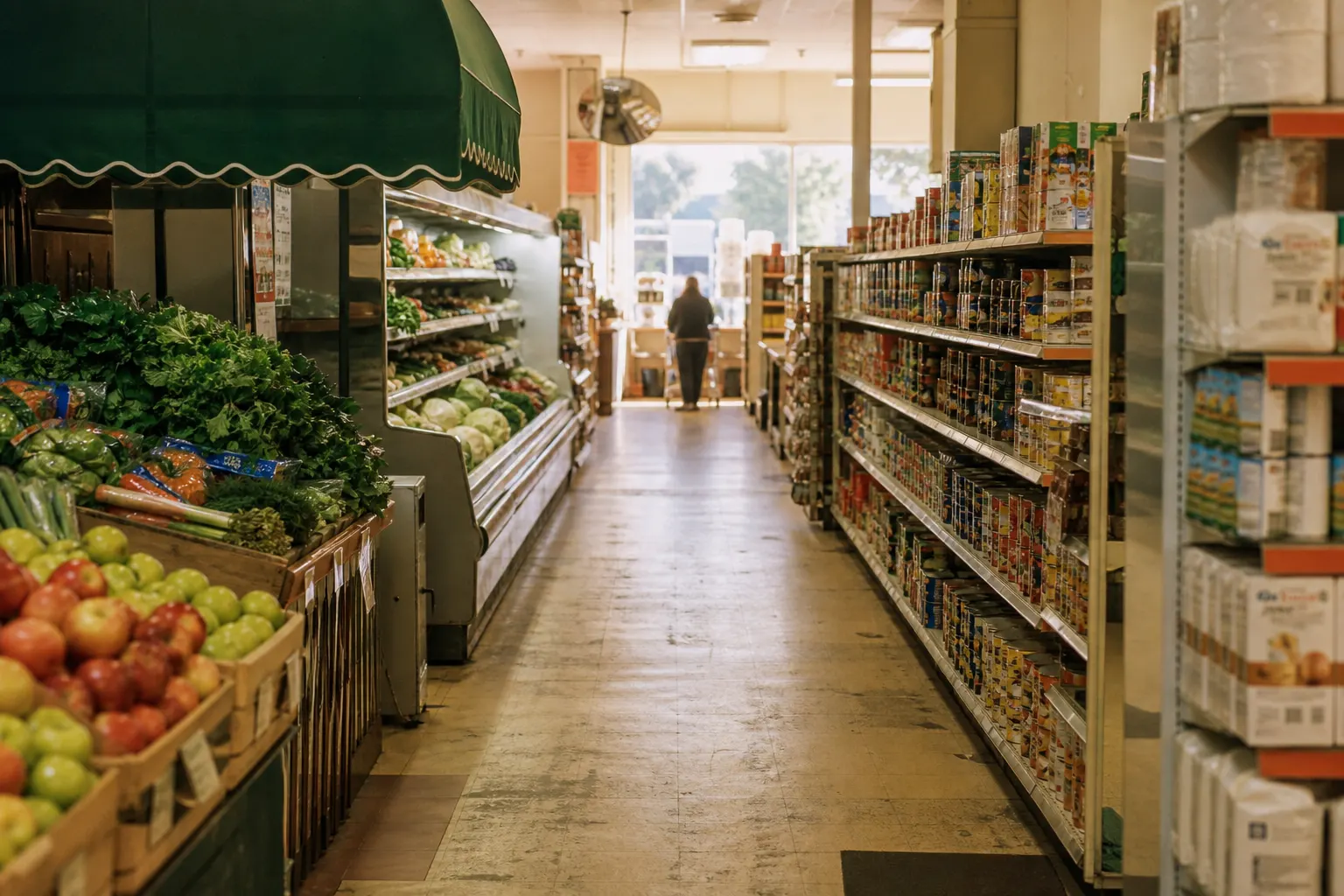
Recast financials — The broker or CPA presentation of the last three years of the grocery after add-backs, category mix, and a normalized owner or manager load. It is a package you can defend. It is not a second name for SDE, and it is not the tax-return bottom line with a new title.
Print the SDE worksheet if you need the earnings definition. Then build the recast as a file: years, mix, proof. Grocery Store Business Broker — HedgeStone Business Advisors, led by Jason Taken — will not apply a sold-sample multiple to a spreadsheet that will not tie. Book a confidential intro with three years of P&Ls, the scan export, and the sales-tax filings.
Preparing three years of financials is the seller homework. Recasting a grocery P&L is the line-by-line method. This page is what “recast” means when it shows up in a CIM.
Lay the years side by side. Sales, department mix if you have it, COGS, labor, occupancy, and the owner’s take. Then the adjustments: owner pay that a buyer will not keep, personal autos and insurance, a true one-time legal bill or remodel. Leave repeating shrink, couponing, and family hours a buyer must replace. Those are the store. How do I recast a grocery P&L is the short version.
A hired general manager already in the box pushes the conversation toward EBITDA instead of owner SDE. Say which load you normalized. Do not show owner SDE on page one and a no-owner EBITDA on page two of the same book.
FMI’s 2.1 percent average net profit for food retailers in 2025 is channel net, not your recast. A store can look thin on a return because the living was taken as rent and a low W-2, and still recast to real cash. The reverse is also true: a pretty net that depends on unpaid hours is not a package a buyer can keep.
Grocery books lie in ordinary ways. DSD never hits the wholesaler statement. Lottery is personal. Related-party rent is below market. Cash is a story. The recast has to survive a three-way: scan data item mix and voids, sales-tax filings where food is taxed or partially taxed, and bank or EBT settlement deposits. If those three will not talk to the P&L, stop multiplying.
USDA FNS is explicit: SNAP authorization does not transfer. A recast that treats next year’s EBT as automatic for a new owner is incomplete. Budget the gap as a working-capital and sales story, not as an add-back. EBT settlements should match the SNAP story you are selling.
Anatomy of a grocery P&L shows where mix hides. Department gross can sink a storewide blend. Put mix in the recast so a buyer is not buying a center-store rumor with a dying meat case.
BizBuySell’s 2025 grocery and supermarket sold sample shows an average earnings multiple of 3.38, a five-year average of 2.66, and an interquartile range of 1.60 to 3.15. Those multiples attach to recast earnings on sold listings, not to a tax-return bottom line and not to a weekly-sales rumor. The valuation hub is where the multiple argument lives. This page is the package that has to exist first.
A lender will rebuild the recast anyway. Related-party rent, owner pay, and repeating “one-time” legal are the first edits. DSCR is coverage on the number they believe, not on the CIM headline.
When the three years, the scan, and the filings are in one folder, Book a confidential intro. The hour is for whether the package ties — not for decorating a multiple on an unreconciled return.
These figures are a teaching walk-through for Recast grocery financials, not a quote and not a sold comp. Order of operations: weekly sales, recast SDE, inventory at cost, then a multiple band.
| Input or output | Illustrative figure |
|---|---|
| Weekly sales (illustrative) | $92,000 |
| Annual sales | $4,784,000 |
| Recast SDE | $148,304 (3.1% of sales) |
| Inventory at cost | $265,778 (~18 turns) |
| Occupancy check | $110,032 / year (2.3% of sales) |
| Low going-concern | $517,895 at 1.70x SDE + inventory |
| High going-concern | $710,690 at 3.00x SDE + inventory |
| Sketch DSCR on a note | 1.35 |
Inventory is cash at close, not a multiple. Confusing the two is how sellers over-ask and buyers under-cash the wire.
Book the intro call with your side of the table ready: seller files or buyer capital. The calendar is the only next step.
Print these, mark them up, and bring the marked copy to the intro. They are educational. They are not a valuation letter and not a listing. All downloadable guides.
Have the file ready so the hour is a recast, not a scavenger hunt. Then pick a time.
Get a specialist on the other side of the table
Grocery deals turn on licenses, inventory, and a recast a lender will believe. Book the intro and bring the file.
Book an Intro Call With Jason TakenNo. SDE is the earnings definition for one owner-operator. The recast is the three-year presentation that gets you to that number — mix, add-backs, and proof against scan and filings.
Tax profit is a filing result. Grocery mix, DSD, and personal spend hide in the books. Tie the recast to scan, sales-tax filings, and deposits before you multiply.
Bring three years when they exist, plus trailing months. One pretty year is a story. Three years show whether mix and labor are the store or a spike.
They rebuild it. Related-party rent, owner pay, and repeating “one-time” lines are the first edits. A CIM recast that will not tie to scan does not survive underwriting.
Start a confidential grocery conversation
Whether you are exiting or acquiring, pick a time and we will talk through the file.
Book an Intro Call With Jason TakenThis page is educational information from Grocery Store Business Broker (HedgeStone Business Advisors). It is not legal, tax, or investment advice. Licensing, tax, and financing rules vary by state and deal. Confirm every item with counsel and your lender before you sign.
Ready when you are. Jason Taken will talk through the file.
Book a confidential intro