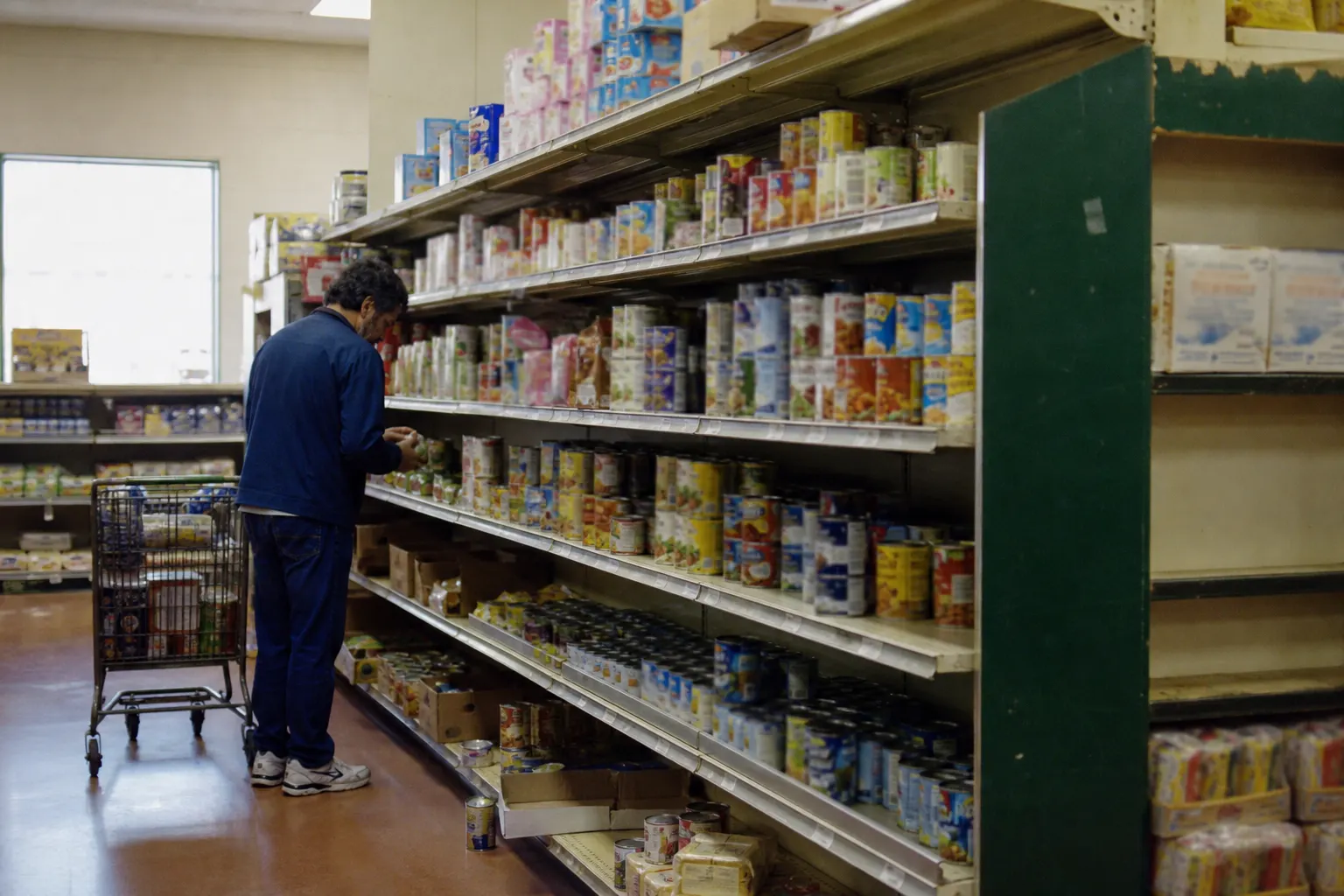
A discount or salvage grocery is a trading desk that happens to have a storefront. You buy distressed, close-dated, freight-claim, or closeout merchandise, put a price on it, and live on the spread. That spread looks like a supermarket fantasy until shrink, dating, and customer-complaint credits are recast. Mark last month’s lot tickets and the dumpage log before you argue a multiple. Then book a confidential intro with those two pages in the folder.
Grocery Store Business Broker — the grocery practice of HedgeStone Business Advisors, led by Jason Taken — will not hide dated product inside goodwill. Most independents close as asset sales. You are selling the going concern, the equipment, and the stock that a buyer can still sell. You are not selling a promise that every pallet in the back room is supermarket-clean. FMI’s $1 trillion in 2025 supermarket sales and 45,575 U.S. supermarkets in 2024 describe a conventional grocery channel. A salvage box is not that sample.
Close-dated product is not a supermarket stockroom
A conventional grocer buys a weekly book from a wholesaler and turns center store on a predictable clock. You buy what the week offers: insurance salvage, freight claims, overstock, short-code dairy, dented dry grocery. Supply is opportunistic. That is the business. It is also why a buyer who underwrites like an independent supermarket will misread both the margin and the risk.
Inventory at cost is the wrong phrase if “cost” is a blended lot of mixed dating. One pallet can hold product with ninety days of life and product that should have been pulled last Tuesday. Lenders dislike undocumented salvage. If the only paper you have is a cash receipt and a handshake, say so in the CIM. Hiding the hole is how the first diligence week dies.
Some states extra-regulate salvage food. Some cities want a secondhand or salvage permit on top of the retail food permit. This page will not invent a state list. Confirm the rule that applies to your box before a buyer applies for anything. Read red flags that should kill a grocery deal if the health-department file already has dating notes.
FIFO versus a messy room is how you start a fight at 2 a.m. Write the dating rule now: what is sellable, what is close-dated and discounted, what is unsellable. See FIFO and LIFO for the language a CPA will use, then write the floor rule in English. Inventory turns on salvage are not one number. A closeout candy run and a short-code dairy cooler do not share a clock.
Why the fat gross is not the earnings story
Suppose you paid $18,000 for three mixed lots last month and rang $31,000 at the register. The spread looks heroic. Then you count the unsellable, the returns, the credits you issued because a can was swollen, and the labor to sort the load. What is left is closer to a trading profit than to a supermarket gross margin. Recast that month before you annualize it.
Add-backs that repeat every year are the business. Owner pay and a documented one-time roof patch can move SDE. Recurring dumpage cannot. A “one-time” salvage loss that appears every quarter is shrink with a story. Print the SDE worksheet and make your CPA mark dating losses in the same language a lender will use. Read recasting a grocery P&L and anatomy of a grocery P&L.
FMI’s 2.1 percent average net profit for food retailers in 2025 is a food-retailer Speaks sample. It is not a salvage net and it is not your add-back list. BizBuySell grocery and supermarket sold businesses: 3.38 average earnings multiple in 2025; 2.66 five-year average; IQR 1.60–3.15 for 2021–2025. A 0.43 average revenue multiple on the 2025 sold sample is a sanity check, not a pricing law. Those figures are a national listing-site grocery/supermarket sample. No salvage-only multiple is sourced in this pack. Use them as a ceiling check after the recast, not as a promise.
The valuation hub is the method. How to value a grocery store is the longer essay. The valuation calculator lets you change inputs. None of those tools invent a closeout sold-comp set. Unreported cash will not survive SBA 7(a) — the program page states a $5 million maximum — or a serious conventional buyer. See selling with unreported cash.
Related-party rent that juiced earnings will reverse on day one. Pull the gap out of SDE. This page will not invent a local rent. If the store is distressed as well as salvage, price the lease and the stockroom, not a turnaround novel — selling a distressed grocery.
How a buyer will try to pay you
Existing salvage operators already know lot paper, dumpage, and which vendors will sell to a new name. Discount-banner buyers may want the box and then restock it as conventional grocery — that is a different business and a different SNAP file. Buyers who underestimate dating liability will write a high LOI and then retrade on count night.
Confidential outreach is the default: blind teaser, NDA, then a CIM for operators who can fund. Read how to sell confidentially. A vestibule sign on a salvage store teaches shoppers that the lots are ending and teaches vendors that the account is leaving. Sequence the vendor conversation after you have a serious buyer. Many of your suppliers are not conventional wholesalers; some will not assign. Read wholesaler agreements when you sell for the conventional piece, then list the salvage vendors who have no assignment clause at all.
The twin page for operators shopping this format is buy a discount / salvage grocery. The parent method is sell a grocery store. Download the Confidential Seller Playbook and circle the lot tickets you cannot find.
Working capital is the cash to buy the next load, not a vibe. A salvage operator who closes without dry powder is a liquidator by Friday. The cash-to-close estimator is a buyer tool; sellers still need to know what the next three lots cost.
FNS, staple foods, and the health file
USDA FNS: SNAP authorization does not transfer; the new owner files a new application. EBT is often the quiet sales engine in this format. That does not make the permit portable. Read what happens to SNAP when you sell and EBT diligence.
FNS has staple-food and eligibility rules that salvage mixes can fail. A store that rings mostly close-dated snacks and beverages can look authorized on the seller’s permit and fail on the buyer’s application. Confirm state salvage-food rules before a buyer files. This page will not invent the staple-food thresholds. SNAP retailer authorization is a new file. Budget downtime in cash and in the story you tell the landlord.
EBT deposits should reconcile to the SNAP story. A gap is mix, downtime, or fiction. Sales-tax filings corroborate the register where food is taxed or partially taxed — state grocery sales tax. WIC is a vendor file, not a sticker. If you sell beer, alcohol is a class, a quota, or a control-state product. NABCA lists seventeen control states. See state alcohol regimes and liquor-license diligence.
The health-department history on dating is a price file. A buyer’s inspector will read it. Put the last inspection in the CIM. Print the closing and license checklist and write the conditions into paper before anyone picks a Tuesday. See how a sale works.
Dating rules that have to live in the LOI
Inventory night needs rules: what is unsellable, who pays the crew, how disputes resolve. A mixed lot counted at the seller’s all-in cost will overstate the check if half the units are past the date the buyer will sell. A retail-tag count will overstate it worse. Read how inventory is counted and closing-day count procedures.
The LOI should say how inventory is counted and how licenses are conditioned. Holdbacks exist because salvage has shrink, complaint risk, and successor tax risk. Earn-outs are hard because the buyer controls which lots get bought after Monday. Compare offers on cash at close, note terms, inventory treatment, and license risk — not the headline. See the LOI terms that matter for sellers, comparing offers, and escrow, holdbacks, and earn-outs.
A CIM that omits the lease is a brochure. Lease diligence still decides whether the buyer can stay. Assignment, exclusive use, and co-tenancy move price. Remaining term under 24 months without options is a price cut. Tax clearance belongs in escrow language — state bulk-sales notes. APA schedules are where vendor lists, excluded lots, and equipment actually live. Read asset purchase agreement essentials.
Attorneys and CPAs who have never closed a grocery file will treat salvage like a messy supermarket. Send them working with attorneys and CPAs and surviving due diligence before they draft in a vacuum. Preparing three years of financials still applies; lot-level paper is the extra ask.
Jason Taken and HedgeStone are not licensed business brokers in every state. Check the rule that applies to your deal. Selling the building always requires a real-estate license.
If you own the dirt, recast the store on market rent and price the building as a second asset — grocery with real estate. This page will not invent a cap rate.
Selling the trade versus selling a reset
Some buyers want your vendors, your lot rhythm, and your shoppers who already know the dates. That is a sale of the trade. Other buyers want the lease and the box so they can restock as a conventional neighborhood grocery. That is a sale of a room. Say which you are offering. A reset buyer will discount dating inventory harder, will ask different SNAP questions, and may not want your salvage vendors at all. A trade buyer will ask who still sells to you after the name changes and whether the next three loads are already spoken for.
Do not write a turnaround novel into the CIM. If sales are down because the lots got worse, say the lots got worse. Buying a distressed store is the buyer-side essay; common reasons grocery sales fall apart is the seller-side list. Food-desert rhetoric does not replace a P&L. If you sit in a low-access census tract, that is a trade-area fact for buying in a food desert — it is not a multiple. HFFI and state healthy-food programs change; do not quote a stale dollar cap. See healthy food financing only as a program name, not as a check you are promising.
Minimum wage belongs in the recast if the table moved — state-by-state minimum wage. Labor on a salvage floor is sorting and facing, not just ringing. A buyer who staffs like a supermarket will misprice both. Scan data may be thin if a lot never made it into the POS the way a banner store would. Then the lot tickets and the register Z-tapes have to tell the same story. A gap is mix, downtime, or fiction.
Non-competes in this format have to be narrow. Banning a buyer from every closeout aisle in the state is how counsel deletes the clause. Read non-competes and confidentiality. Transition hours matter because the next load may arrive the morning after funding. Write them — transition and training. If you want the fee conversation, how brokers get paid. If you want the calendar, timeline to sell.
When the dumpage log is marked and the lot tickets are in a folder a stranger can follow, book a confidential seller consultation. Bring the worst load of the last quarter, not the prettiest endcap. That is the hour that prices this format.
An illustrative recast on Sell a discount / salvage grocery
Use this napkin recast on Sell a discount / salvage grocery when you book the call. It is labeled illustrative. BizBuySell's 2025 grocery sold-business earnings multiple averaged 3.38, with a 2021-2025 IQR of 1.60-3.15.
If weekly sales or shrink move 8 percent, the SDE and the note move with them. That is why Jason Taken starts with scan data and the lease, not with a neighbor's rumor multiple.
Bring three years of P&Ls, weekly sales, and the lease abstract to the intro call. Jason will tell you whether this band is even in the conversation.
This page is educational information from Grocery Store Business Broker (HedgeStone Business Advisors). It is not legal, tax, or investment advice. Licensing, tax, and financing rules vary by state and deal. Confirm every item with counsel and your lender before you sign.