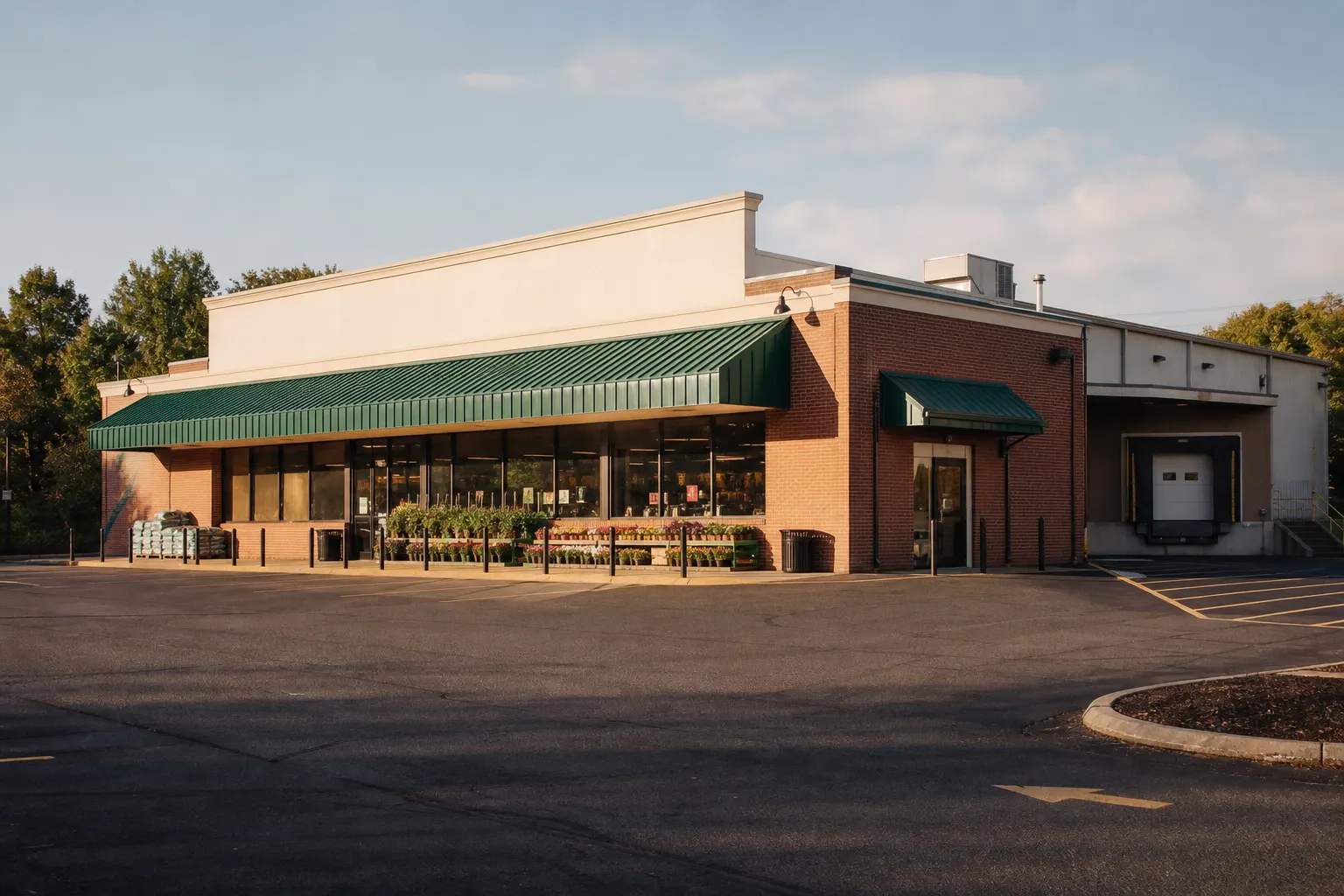
Owned dirt is a second asset. The grocery is a going concern: recast SDE, inventory at cost, licenses on each agency’s clock. The building and the land are a real-estate file: deed, environmental, and a price a local CRE source can support. If you have been paying yourself a sweetheart rent, that gift is not earnings. Recast the store as if a third-party tenant paid market. Then book a confidential intro with that rent circled.
Grocery Store Business Broker — the grocery practice of HedgeStone Business Advisors, led by Jason Taken — will not blend a grocery multiple and a cap rate into one invented number. FMI’s $1 trillion in 2025 supermarket sales and 45,575 U.S. supermarkets in 2024 describe the grocery channel, not your parcel. BizBuySell grocery figures describe sold grocery businesses, not your dirt. A real-estate license is required in every state for the property piece. Jason Taken and HedgeStone are not licensed business brokers in every state; selling the building always requires a real-estate licensee.
Recast the store as if it paid rent
The first mistake on an owned box is treating the P&L you show your CPA as the P&L a buyer will own. If the store pays a related-party landlord — you — less than a third-party grocer would pay for that room, SDE is juiced. The buyer who keeps the building will still want to know what the ops earn after a market occupancy cost. The buyer who leases back from you will pay that cost on day one. Either way, pull the gap out before you apply a multiple.
Suppose the store has been paying itself a below-market figure. You do not need this page to invent the market rent. You need a local broker or appraiser to say what a grocery tenant would pay, including CAM and triple-net reality if that is how the street leases. Put that number into the recast. Owner pay, a documented one-time compressor, and a personal auto can still move SDE. Recurring shrink cannot. The rent gift cannot stay. Read recasting a grocery P&L and preparing three years of financials. Print the SDE worksheet and make the rent line the first mark.
The rent-as-percent-of-sales checker is a sanity tool, not a local comp. This pack does not attach a metro rent table. Null metro-rent fields stay unused. Do not borrow a number from a city you like.
Scan data is still the adult conversation on the ops. A weekly-sales spreadsheet without department mix is a rumor. Meat and produce can sink a “healthy” storewide gross margin. See verifying sales with scan data and shrink, margin, and turns. Owning the dirt does not fix a bad perimeter.
Two prices, two methods
BizBuySell grocery and supermarket sold businesses: 3.38 average earnings multiple in 2025; 2.66 five-year average; IQR 1.60–3.15 for 2021–2025. A 0.43 average revenue multiple on the 2025 sold sample is a sanity check, not a pricing law. Apply those figures — if they belong at all — to recast ops SDE after market rent. They are a national listing-site grocery/supermarket sample. They are not a real-estate cap rate. They are not a “store plus building” blended multiple.
The building is priced from a supportable cap rate and a rent a local CRE source will stand behind. None is attached in this research pack. This page will not invent one. Hire the licensee and the appraiser. Environmental on the parcel — including tanks if a prior use left them — is a real-estate diligence item, not a grocery add-back. Read selling with a lease versus real estate and buying a store with real estate.
FMI’s 2.1 percent average net profit for food retailers in 2025 is a food-retailer Speaks sample. It is not a capitalization rate. The valuation hub and how to value a grocery store teach the ops method. The valuation calculator changes ops inputs. None of those tools appraise your land.
SBA 7(a) — the program page states a $5 million maximum — can fund a change of ownership that includes real estate when the lender will underwrite both files. Unreported cash will not survive that process. See selling with unreported cash. DSCR still has to clear after market rent, not after the gift you paid yourself.
Taxes on an asset sale are not a percent of the headline. Allocation among equipment, goodwill, inventory, and the building changes the seller’s bill and the buyer’s basis. Read taxes on selling a grocery store, purchase-price allocation, and Form 8594. This page is not a tax opinion. Put a grocery-literate CPA in the room early. Asset sale versus stock sale is a different fight if someone wants the entity because of the deed.
When the buyer cannot buy both
Owner-users who want the building will pay for control: no landlord, no assignment fight, a long horizon. Sale-leaseback buyers plus an operator will split the check: an investor buys the dirt, the grocer leases it, you may walk with more cash than an ops-only sale. A 1031 or real-estate buyer who under-pays the ops is shopping a tenant, not a supermarket. Know which conversation you are in before you send a CIM.
A clean sale-leaseback is the path when the operator cannot fund the land. Read sale-leaseback strategy. Do not juice the lease to juice the building price. The tenant — the store you just recast — has to survive the rent. A sweetheart lease that makes the cap rate look pretty is the same gift you just pulled out of SDE, wearing a new hat.
If you will not do a sale-leaseback and the buyer cannot buy both, you have a smaller buyer pool, not a moral high ground. Say the path in the blind teaser. Confidential outreach is still the default. Read how to sell confidentially. Employees learn from vendors. A “for sale” banner on an owned box teaches the trade area that the store and the dirt are in play.
The twin page is buy a grocery store with real estate. The parent method is sell a grocery store. Format still matters: an independent supermarket on owned dirt is a different ops file than a neighborhood grocery or a rural grocery. The supply chain follows the operating format — wholesaler and banner agreements — not the deed.
Download the Confidential Seller Playbook. Circle the rent you cannot defend and the environmental report you have not opened.
Licenses on the ops, a licensee on the deed
USDA FNS: SNAP authorization does not transfer; the new owner files a new application. Owning the building does not move SNAP retailer authorization. Read what happens to SNAP when you sell. EBT deposits should still reconcile to the SNAP story.
Alcohol, WIC, lottery, and tobacco stay on the operating calendar. Alcohol is a class, a quota, or a control-state product. NABCA lists seventeen control states. See state alcohol regimes and transferring a liquor license. The deed, the survey, and any UST file sit with the real-estate closing. Print the closing and license checklist and add the title items your real-estate counsel will run. See how a sale works.
A CIM that omits the realty file is a brochure with a parking lot. Put the deed structure, any existing lease to the ops entity, environmental, and the intended sale-leaseback term in the same binder as the wholesaler statements. Lease diligence still applies if the ops entity leases from you — assignment language on a related-party lease is how sloppy files surprise people at the table.
Tax clearance belongs in escrow language on the ops and on the conveyance. State bulk-sales notes still matter. APA schedules live on the business deal; the purchase agreement for the land is a different contract. Read asset purchase agreement essentials and deal-structure vocabulary. Counsel who have never closed grocery-plus-dirt will rediscover SNAP in week six and the cap rate in week seven. Send them working with attorneys and CPAs.
Offers that keep the two files honest
The LOI should say how inventory is counted, how licenses are conditioned, and whether the dirt conveys, leases back, or stays off the table. Inventory at cost is still a separate check on the ops. Holdbacks exist because grocery has shrink and successor tax risk. Earn-outs are hard because the buyer controls mix after Monday. Compare offers on cash at close, note terms, inventory treatment, license risk, and whether the building is actually funded — not the blended headline. See the LOI terms that matter for sellers and comparing offers.
Seller notes often sit on standby behind SBA. Read the standby, not the folklore. Escrow, holdbacks, and earn-outs explains why grocery uses them. Transition hours are a close condition on the ops — transition and training — and they do not replace a real-estate closing checklist.
If you are selling to family or a manager and keeping the land, you still need a real ops price and a real lease. Soft language creates hard lawsuits. Read selling to a family member or employee.
The entity that pays rent to the entity that owns the dirt
Many owners already split the store and the land into two companies. That is useful until the lease between them is a one-page gift. A buyer of the ops will ask whether that lease assigns, how long it runs, and what happens if they do not buy the dirt. A buyer of both will ask whether the related-party lease survives for financing or gets collapsed at close. Put the intercompany lease in the CIM. Lease assignment language on a sweetheart paper is how sloppy files surprise people.
If the land has a mortgage, say the balance and whether it can be assumed or must be paid. This page will not invent a rate. The payoff letter is the document. If the building needs a roof or a compressor farm, that is a realty cost, not a grocery add-back you bury in SDE. A documented one-time repair can move ops earnings. A deferred capital item on the box will show up in the appraisal.
Scan data still has to match the ops story. Owning the parking lot does not corroborate EBT. Sales-tax filings corroborate the register where food is taxed — state grocery sales tax. Minimum wage belongs in the recast if the table moved — state-by-state minimum wage. Employees, union contracts, WARN are calendar items on larger headcount files; the deed does not cancel them.
A 1031 buyer who wants your tenant and discounts the supermarket is shopping real estate. Price the ops as if they walked. Do not let their land math become your grocery multiple. Grocery M&A landscape and grocery industry outlook are orientation. They do not replace last week’s scan or a local appraisal.
Non-competes still have to be enforceable. A land seller who tries to ban grocery on the next parcel over is writing a deed restriction, not a grocery clause — counsel, not folklore. Read non-competes and confidentiality. Transition hours are an ops close condition — transition and training. If you want the fee conversation, how brokers get paid. If you want the calendar, timeline to sell. Surviving due diligence is where the two files either stay split or get blended into a fight.
When the market-rent recast is marked and the realty file is a file — not a hallway story — book a confidential seller consultation. Bring the related-party lease page. Bring the environmental report if you have one, and say so if you do not. That is a useful hour.
An illustrative recast on Sell a grocery store with real estate
Use this napkin recast on Sell a grocery store with real estate when you book the call. It is labeled illustrative. BizBuySell's 2025 grocery sold-business earnings multiple averaged 3.38, with a 2021-2025 IQR of 1.60-3.15.
Rent at 2.2% of sales is the occupancy check. If the real lease is higher, the SDE in this table is too generous until you recast to market rent.
Bring three years of P&Ls, weekly sales, and the lease abstract to the intro call. Jason will tell you whether this band is even in the conversation.
This page is educational information from Grocery Store Business Broker (HedgeStone Business Advisors). It is not legal, tax, or investment advice. Licensing, tax, and financing rules vary by state and deal. Confirm every item with counsel and your lender before you sign.