How do I separate Grand Strand peak from a financeable Palmetto week?
Demand departmental scan for January–February beside July. If hired-labor debt service only clears on tourist weekends, the note is a tourism bet, not a grocery credit.
Grocery Store Business Broker · HedgeStone Business Advisors · Jason Taken
Last updated 2026-09-04
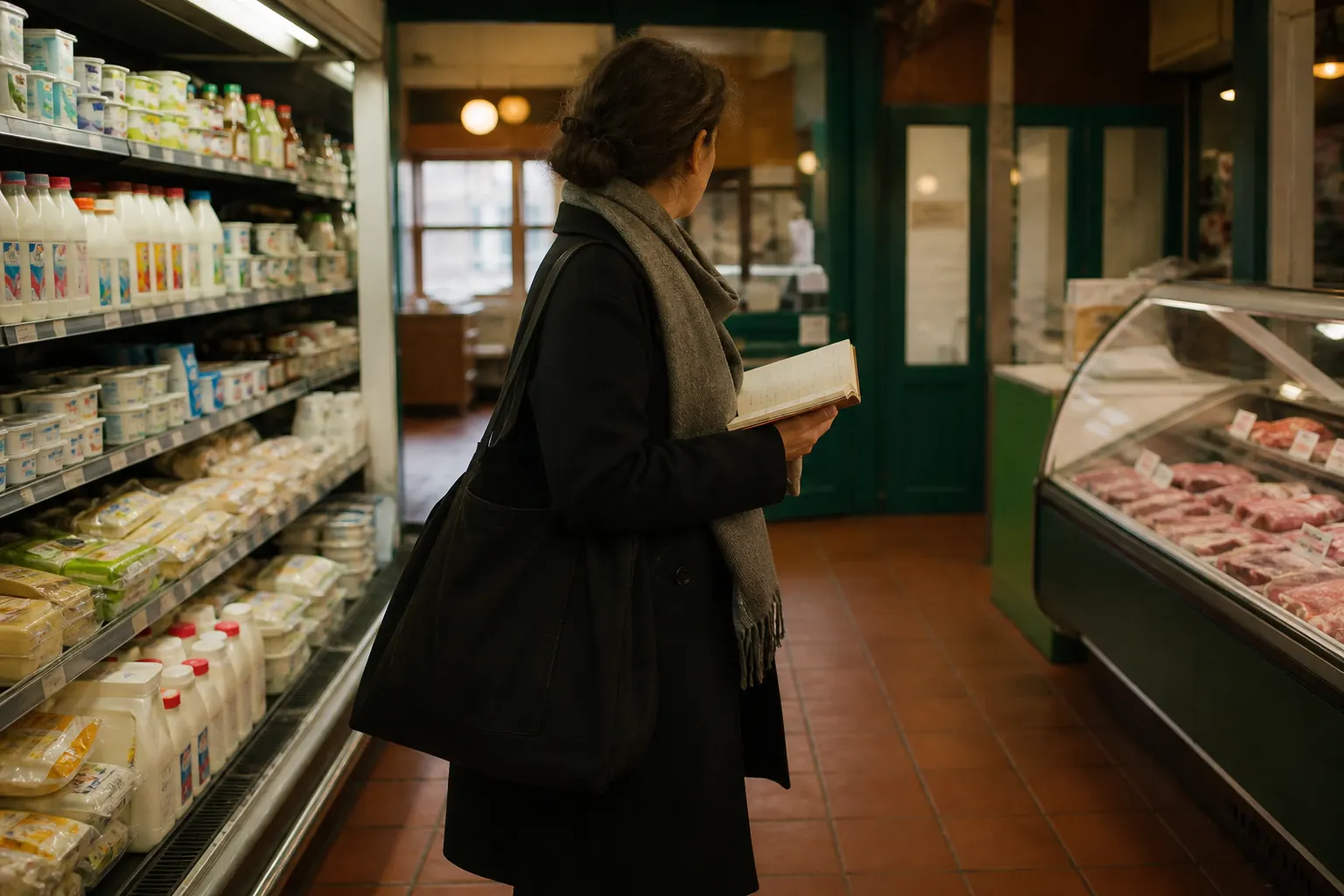
Tourist circulars sell July. Lenders buy January. When a Myrtle Beach or Charleston independent shows a spectacular summer tape, rebuild SDE on hired cutters and the shoulder months before you argue a multiple. Jason Taken at Grocery Store Business Broker / HedgeStone Business Advisors reads Palmetto files as calendar problems first. Book a confidential intro carrying thirteen weeks that include February, the lease abstract, and the counties you will actually occupy. Email jason.taken@hedgestone.com once that stack is assembled.
Grand Strand and Lowcountry peaks are surplus only if January and February still cover debt service after market wages. A Harbor-area specialty box that rings hard when hotels are full can still fail coverage when beach traffic thins — model the quiet weeks as the base case, not as a footnote. Greenville–Spartanburg Upstate independents and Hispanic corridors often run a steadier employment clock than tourism strips; they do not share one demand curve. Columbia sits between capital payroll weeks and suburban banner pressure. Drive a Tuesday in February and a Saturday in July on the same corridor before you treat peak as the payment engine.
Gullah-Geechee and Lowcountry community independents can look “seasonal” on a teaser even when the neighborhood week is the real engine. Split tourism occupancy from resident trips in the scan file. If the seller cannot produce departmental history through winter, you are bidding on a brochure.
Hilton Head and Beaufort corridors add another texture: second-home occupancy and seasonal staffing that do not match either Myrtle Beach boardwalk weeks or Greenville employment weeks. Ask for labor schedules by month, not only sales by month. A cutter who only works May through September is not a year-round labor model. Columbia’s Fort Jackson–adjacent and capital-employee traffic can look “steady” on a CIM while still losing evenings to banner supercenters — walk the competitive set after 6 p.m. on a school night before you treat capital-metro as automatically safer than tourism.
NAICS 445110 establishments in South Carolina numbered 911 in County Business Patterns 2023 (grocery retailers excluding convenience formats, every legal form). Separately, Census Vintage 2024 estimates 5,478,831 residents as of July 1, 2024. Use both figures as industry-and-population context. Neither is a for-sale board, a sold-comp set, or a SNAP-retailer census — this pack left SNAP retailer counts null.
South Carolina Department of Revenue licenses beer and wine; local option still decides wet maps. Spirits are not treated as a grocery-aisle class here — liquor stores are a separate channel. Model weeks without beer-wine margin until SCDOR and the local authority accept the incoming licensee. Privilege does not ride automatically with an asset sale. Sunday sales rules and county wet/dry texture can still reshape the week you underwrote. Liquor license due diligence is the national worksheet; South Carolina adds the county map as a closing desk.
Do not smuggle a package-store fantasy into a grocery APA because a liquor store sits in the same center. Confirm the privilege class on this address. Confirm wet/dry local option. Confirm whether Sunday rules change the beer-wine week you modeled. SCDOR lag is a DSCR input, not a closing surprise.
Retail food sits with SC DHEC and local health desks. Incoming operators file a new retail food operation — Charleston County paperwork does not satisfy Greenville. A “fine last year” inspection is not your permit. WIC routes through SC DHEC — WIC. South Carolina Education Lottery and tobacco youth-access are separate transfer conversations when tickets or cigarettes sit on the counter.
Unprepared food that may be purchased with USDA food stamps is generally exempt from the state sales-tax portion; local taxes may still apply. Prepared food is a different remittance story. Confirm SCDOR food-exemption notices and the county rate on the closing date, then code the POS to the actual deli versus center-store. State grocery sales tax is the national clip. Counsel should confirm whether SCDOR wants clearance language or a holdback in escrow on this asset deal. Bulk-sale statutes repealed in other states do not wipe Palmetto successor risk. Put the bulk sales and tax clearance memo next to the DHEC filing calendar.
Publix, Food Lion (Ahold Delhaize), Harris Teeter (Kroger), and Ingles Markets set price perception on many corridors. They are competitive weather, not live sold comps for your independent. Food Lion and Ingles weather look different on an Upstate arterial than on a Myrtle Beach spur — walk both competitive sets before you argue that “South Carolina banner pressure” is one number.
Associated Wholesale Grocers, C&S Wholesale Grocers, and UNFI terms — drop minimums, over-advances, personal guarantees — travel with the buyer. An AWG-territory Upstate account and a C&S-heavy Lowcountry account can change guarantee language even inside the same state line. Read the warehouse letter before you treat “South Carolina independent” as one credit story. Sibling process for owners: sell a grocery in South Carolina.
An Upstate Hispanic independent stocks different SKUs, DSD cadence, and shrink risk than a Harbor-area specialty box chasing tourist weekends. Buying an ethnic market outside your community is the caution when language and meat-cut preference are the moat. Federal Healthy Food Financing Initiative notices may touch rural and Lowcountry tracts — verify current CDFI Fund / HFFI notices; never invent a subsidy dollar into purchase price. A rural Bamberg or Allendale week that already rings does not become a stronger credit because a national banner left a coastal corridor an hour away — demand scan for this address.
DOL’s July 1, 2026 consolidated table lists South Carolina at the federal $7.25 floor. Confirm SC DOL posters. A seventy-hour owner who is also the only cutter is key-person risk, not wage savings. Strip unpaid owner weeks out of the tape; replace them with hired cutters and cashiers you can actually recruit on a Grand Strand winter schedule. Reverse related-party rent that disappears Monday. Keep recurring shrink inside earnings — repeating “inventory adjustments” are the business. Tie sales to scan data and EBT deposits across a full year. Storewide slogans without department mix are brochures. See recasting a grocery P&L for the method.
Coverage is annual cash flow over annual debt service after that honest rebuild — hope is not a ratio. Run the SBA 7(a) payment and DSCR calculator once SCDOR lag and unpaid owner weeks are gone. What is DSCR for a grocery acquisition defines the ratio; the valuation hub is the method.
SBA 7(a) can finance a change of ownership. The published program maximum is $5 million — a ceiling, not a quote on a Greenville Hispanic independent or a Charleston tourism box. Eligibility still lives in recast SDE, believable hours, inventory at cost, and a dated SNAP plan. This page will not invent SOP equity-injection percents. Most Palmetto independents live well below that ceiling because winter weeks and hired labor cannot carry a larger payment. Buying the building is a second credit conversation — buying a store with real estate is two prices; recast operations on market rent first.
Equity at close must cover purchase equity, inventory at cost, working capital for the next drop, closing costs, and a reserve through FNS downtime. Use the cash-to-close estimator and how much money you need so the stack is visible before LOI theater. On tourist-adjacent boxes, add a winter payroll cushion even when summer rings look effortless — the loan payment does not take a January holiday.
USDA FNS rules are blunt: the prior owner’s SNAP authorization does not move with the keys. File a new retailer application. Teasers that say “SNAP included” are wrong — write “buyer files new FNS application.” Do not invent a SNAP-retailer headcount for South Carolina. EBT / SNAP diligence belongs in the LOI. On tourist-adjacent boxes where EBT is still a material share in winter, budget payroll, rent, and the next warehouse drop while the new file is pending — that reserve is working capital, not goodwill. How much working capital do I need is the buyer worksheet. Print the closing and license checklist.
Most independents lease. Divide the occupancy you actually pay — base rent, CAM, taxes, insurance — by sales you can prove across the year, not July alone. Run the rent-as-percent-of-sales checker on the data-room lease. This pack does not publish a South Carolina grocery rent-per-foot table. Remaining term under twenty-four months without options is a price cut. Start lease assignment before the lender asks; lease due diligence covers exclusive use, co-tenancy, and CAM true-ups. A tourism strip and an Upstate Hispanic independent are not interchangeable landlord stories.
Count inventory at cost on closing day. Retail tags are not cost. Hold back unsellable product — closing-day inventory procedures. Working capital buys the next AWG, C&S, or UNFI load; an over-advance is debt. If you cannot assume the guarantee, price the payoff or walk.
A lender who already shops Publix will ask for department scan and EBT deposits that reconcile to the bank. A gap is mix, downtime, or fiction. Verifying sales with scan data and evaluating a store’s P&L are the adult tests. If the seller’s week only works because cash never hits the bank, walk — red flags that should kill a grocery deal.
Put perishable training hours into the APA. A cutter who leaves Friday and a buyer who cannot hire one by Monday misses the week the loan is supposed to cover — especially when tourist volume is already thin. Transition periods and handling employees, union contracts, and WARN belong in the LOI when named people carry the mix. Read the post-closing 90-day plan. Surviving due diligence is the calendar after NDA.
Date SCDOR beer-wine approval, SC DHEC / local health transfer, new SNAP filing, landlord consent, and warehouse guarantee conversations as separate steps — seller LOI priorities still apply when you are the buyer writing the calendar. Center store and the perimeter do not share a clock; a healthy storewide turn can hide a meat case that eats cash every week while Grand Strand traffic is quiet.
How to buy a grocery store step by step is the sequence; the buyer hub is the method. Book a confidential intro with proof of funds, perishable hours you can staff, and an honest January week. Jason will tell you whether the recast covers debt service and which South Carolina desk still has to move.
Use this napkin recast on Price a South Carolina grocery on the week tourism leaves when you book the call. It is labeled illustrative. BizBuySell's 2025 grocery sold-business earnings multiple averaged 3.38, with a 2021-2025 IQR of 1.60-3.15. State pages add the tax, wage, and alcohol-agency facts for this jurisdiction. They do not invent a local sold-comp set.
| Input or output | Illustrative figure |
|---|---|
| Weekly sales (illustrative) | $228,000 |
| Annual sales | $11,856,000 |
| Recast SDE | $557,232 (4.7% of sales) |
| Inventory at cost | $741,000 (~16 turns) |
| Occupancy check | $438,672 / year (3.7% of sales) |
| Low going-concern | $1,771,879 at 1.85x SDE + inventory |
| High going-concern | $2,329,111 at 2.85x SDE + inventory |
| Sketch DSCR on a note | 1.53 |
Rent at 3.7% of sales is the occupancy check. If the real lease is higher, the SDE in this table is too generous until you recast to market rent.
Bring proof of funds or a lender pre-screen, your format, and geography. Jason will tell you whether a store like this can clear SBA or seller-carry math.
Print these, mark them up, and bring the marked copy to the intro. They are educational. They are not a valuation letter and not a listing. All downloadable guides.
Have the file ready so the hour is a recast, not a scavenger hunt. Then pick a time.
Underwrite the deal before you fall in love with the store
Scan data, SNAP mix, rent-to-sales, and DSCR. If those four do not clear, the CIM photos do not matter.
Schedule a Buyer Strategy CallDemand departmental scan for January–February beside July. If hired-labor debt service only clears on tourist weekends, the note is a tourism bet, not a grocery credit.
Beer and wine through SCDOR with local wet option. Spirits are a separate liquor-store class on this research file — do not capitalize package gross into grocery SDE without a separate privilege.
Unprepared food that may be purchased with USDA food stamps is generally exempt from the state sales-tax portion; local taxes may still apply. Prepared food remits differently. Confirm SCDOR notices for the closing-date POS codes.
DOL’s July 1, 2026 consolidated table lists South Carolina at the federal $7.25 floor. Recast cutters and night crews at the wage this store will actually post, then confirm SC DOL posters.
SCDOR beer-wine incoming-owner acceptance, SC DHEC / local retail-food filing, new USDA FNS SNAP application, landlord consent, and warehouse guarantee conversations — each dated separately.
Source and finance a grocery acquisition
Jason Taken works buyers through qualification, SBA or seller-carry structure, and a diligence plan a lender will fund. Book the hour.
Schedule a Buyer Strategy CallThis page is educational information from Grocery Store Business Broker (HedgeStone Business Advisors). It is not legal, tax, or investment advice. Licensing, tax, and financing rules vary by state and deal. Confirm every item with counsel and your lender before you sign.
Ready when you are. Jason Taken will talk through the file.
Book a confidential intro