What is first?
The recast and a confidentiality plan, before anyone hears it from a vestibule sign.
Grocery Store Business Broker · HedgeStone Business Advisors · Jason Taken
Last updated 2026-09-03
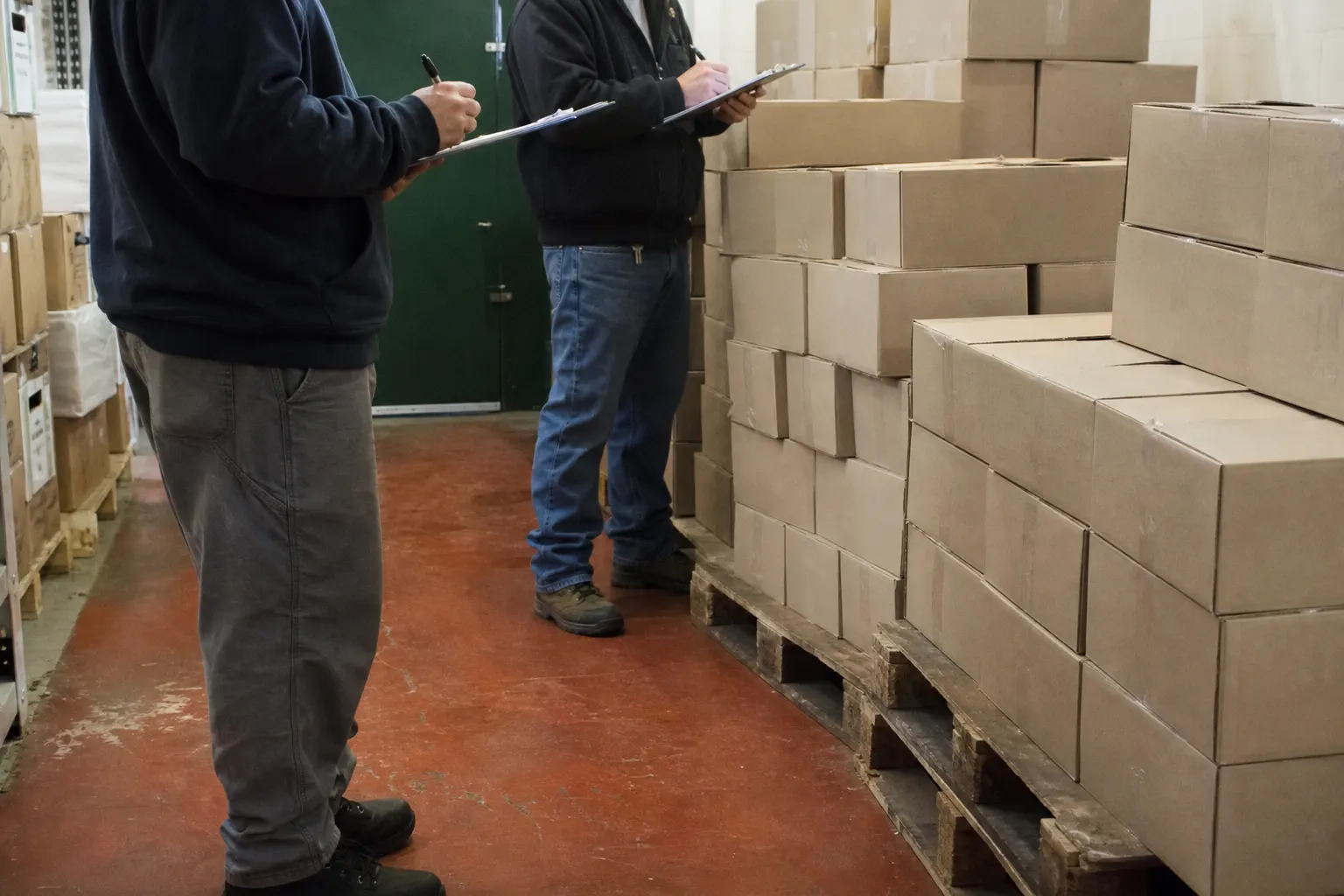
A grocery sale is a sequence, not a listing. Recast first. Then decide who is allowed to know. Then paper. Then diligence. Then a count night and a stack of agency approvals. Then a Tuesday that only holds if you wrote the outs. Grocery Store Business Broker — HedgeStone Business Advisors, led by Jason Taken — runs that sequence. This page is the map. The seller hub and the buyer hub are the two doors in. The timeline guide is the same story with more weeks on it.
USDA FNS is the rule that surprises civilians: SNAP authorization does not transfer. The new owner files a new application. Everything else on this page is about not pretending otherwise.
Nothing useful happens until SDE is a number a lender will believe. Owner pay, a documented one-time compressor, and a personal auto can move it. Recurring shrink cannot. Related-party rent that juiced earnings will reverse. Read recasting a grocery P&L and preparing three years of financials. Print the SDE worksheet. The valuation hub is the method. BizBuySell’s grocery sold sample — 3.38 average earnings multiple in 2025, IQR 1.60–3.15 for 2021–2025 — is a national listing-site band, not a closing date.
Silence is a process. Counsel and a CPA first. Then a short list of operators under NDA. Employees learn from vendors and shoppers. A vestibule sign is how shrink starts before you have a buyer. Read how to sell confidentially and non-competes and confidentiality. Download the seller playbook and mark the holes.
Buyers should not be in a store yet. They should be marking the buyer workbook: format they can staff, geography they will occupy, cash they can document. How to buy step by step is their twin of this page.
The blind teaser says enough to qualify and not enough to identify the corner. Operators who can fund sign the NDA. Then they get a CIM: three years, weekly sales, scan or wholesaler statements, a lease abstract, a license list, an honest inventory guess at cost. A CIM that omits the lease is a brochure. How to read a CIM is the buyer annotation method.
Price language in the CIM should match the valuation method: recast SDE times a defendable multiple, plus inventory at cost. Owned real estate is a second asset. Do not bury a sale-leaseback fantasy inside a going-concern multiple. See selling with a lease versus real estate.
Who sees the file depends on format. An independent supermarket list looks like multi-store independents and SBA buyers with grocery hours. A Hispanic market list looks like operators who can staff the language. A rural grocery list is shorter and more local. This page will not invent CBP store counts. It will say: pick the format page that matches the box.
The LOI is where grocery deals are won or lost in English. It should say how inventory is counted, what is unsellable, who pays the crew, and how disputes resolve. It should say SNAP, alcohol, food permit, WIC, lottery, and tobacco are conditions — not vibes. It should say what happens if the landlord will not assign. Read LOI terms for sellers and LOI terms for buyers.
Holdbacks exist because grocery has shrink and successor tax risk. Earn-outs are hard because the buyer controls mix after Monday. Compare offers on cash at close, note terms, inventory treatment, and license risk — not the headline. Comparing offers and escrow, holdbacks, and earn-outs are the scoreboard.
SBA 7(a) buyers add a calendar: equity injection, inventory treatment, standby seller notes. Published maximum is $5 million. Eligibility is on SBA’s program page. Do not invent SOP line items. Read SBA 7(a) for grocery and use the DSCR calculator. Seller carry often sits behind the senior loan — buying with seller financing.
Weekly sales, tax filings, scan, and EBT deposits should tell one story. A gap is mix, downtime, or fiction. Verifying sales with scan data and evaluating a store’s P&L are the work. Surviving due diligence is the calendar.
Lease diligence is where civilians get surprised. Assignment, exclusive use, co-tenancy, remaining term, options, CAM. Remaining term under 24 months without options is a price cut. A below-market related-party rent juiced SDE. Use the rent checker.
Wholesaler over-advances are debt. Banner fees are continuing costs if the fascia stays. Read wholesaler and banner agreements. DSD vendors keep delivering after a sloppy close only if someone is paying them.
Counsel who have never closed grocery will rediscover SNAP in week six. Send them working with attorneys and CPAs and asset purchase agreement essentials. The APA is where contracts, equipment, and excluded assets get scheduled.
Print the closing and license checklist. SNAP: new-owner application — what happens to SNAP when you sell and EBT / SNAP diligence. Alcohol: a class, a quota, or a control-state product. NABCA lists 17 control states plus local-control pockets. Read liquor transfer. WIC is a vendor file. Lottery is often personal. Tobacco sits with tax and health agencies. WIC, lottery, and tobacco is the list.
Tax clearance belongs in escrow language. Bulk-sale or successor-liability practice can still exist after UCC Article 6 died. See state bulk-sales notes and state sales tax. This site does not invent SNAP retailer counts by state.
Inventory night is a close inside the close. Rules first: unsellable, crew, disputes, FIFO versus a messy room. Read how inventory is counted and closing-day count procedures. Retail tags are not cost.
Employees and unions have their own calendar on larger files — WARN and union contracts. Transition hours are a close condition. Write them. Transition and training is the week-one plan.
Jason Taken’s hour is for the recast and the calendar. Counsel drafts the APA and the escrow instructions. A grocery-literate CPA marks add-backs and the allocation. A lender, if there is one, reads DSCR on a recast they believe. The landlord is not in the first meeting. The wholesaler is not in the first meeting. The floor manager is not in the first meeting. Sequence is how you keep shrink from starting early.
If the file includes owned real estate, a real-estate licensee in that state is required for the dirt. That is a second closing or a simultaneous closing, not a sentence inside the grocery multiple. Read grocery with real estate and buying a store with real estate. Sale-leaseback is a different structure: you sell the dirt and keep operating.
Taxes are not a percent of the headline. Allocation among equipment, goodwill, and inventory changes both sides. Taxes on selling and asset sale versus stock sale belong in week two, not the week after funding. How brokers get paid is the fee conversation in English.
A teaching walk-through, labeled illustrative: the parties sign an LOI in week five. Diligence runs four weeks. Alcohol and SNAP applications start the day the LOI is signed, not the day the APA is “final.” Count night is scheduled after the landlord has assigned in writing. Funding sits one week after the count if clearance and SNAP status are where the LOI said they would be. That calendar dies if anyone treats licenses as “we’ll handle it at closing.”
Common reasons grocery sales fall apart is the ugly list: unreported cash, oral lease, wholesaler over-advance, quota-license folklore, a buyer who cannot staff the language. Red flags is the same list from the buyer side. Distressed files still use this sequence — they just start with a lease and a stockroom instead of a trophy multiple. See selling a distressed grocery and buying a distressed store.
FMI’s $1 trillion in 2025 supermarket sales and 45,575 U.S. supermarkets in 2024 explain why grocery is still a real industry. They do not explain why your Tuesday slipped. The 2.1 percent food-retailer net sample explains why there is no slack for a sloppy count.
State wage and alcohol tables belong in the model before outreach, not after. Minimum wage, alcohol regime, and broker licensing are the three caution pages. Jason Taken is not listing a brokerage license for every state on this process page.
Post-close is vendor trust, shrink, and not changing the mix for sport. Read the 90-day plan. Multi-store sales need a shared recast and a shared license calendar or they unravel store by store — selling multiple locations. Family or manager sales still need this sequence, just with fewer strangers — selling to family or an employee.
Jason Taken and HedgeStone are not licensed business brokers in every state. Check the rule that applies to your deal. Selling the building always requires a real-estate licensee in that state. State pages such as sell in Texas and buy in California add tax, wage, and alcohol context. They do not invent a local sold-comp.
Format pages exist so this process page does not pretend every box is a 20,000-square-foot independent. If you own or want a neighborhood grocery, a gas-station grocery, a kosher market, or a food co-op, open that essay after you understand the sequence here. Metro pages such as Chicago and Phoenix teach trade area. They are not a listings board.
Short answers live in the FAQ and in questions such as how long a sale takes. Tools — valuation calculator, cash to close — change inputs. They do not replace the LOI. Paper you can mark lives on downloads.
If a step on this page is the one you are stuck on, open that guide. If you want the sequence on your file, book a confidential intro. Bring last week’s sales, a lease page, and an honest list of what you do not have. That is enough to start the calendar.
These figures are a teaching walk-through for How a grocery store sale works, not a quote and not a sold comp. Order of operations: weekly sales, recast SDE, inventory at cost, then a multiple band.
| Input or output | Illustrative figure |
|---|---|
| Weekly sales (illustrative) | $108,000 |
| Annual sales | $5,616,000 |
| Recast SDE | $174,096 (3.1% of sales) |
| Inventory at cost | $280,800 (~20 turns) |
| Occupancy check | $134,784 / year (2.4% of sales) |
| Low going-concern | $628,992 at 2.00x SDE + inventory |
| High going-concern | $750,859 at 2.70x SDE + inventory |
| Sketch DSCR on a note | 1.38 |
Inventory is cash at close, not a multiple. Confusing the two is how sellers over-ask and buyers under-cash the wire.
Book the intro call with your side of the table ready: seller files or buyer capital. The calendar is the only next step.
Print these, mark them up, and bring the marked copy to the intro. They are educational. They are not a valuation letter and not a listing. All downloadable guides.
Have the file ready so the hour is a recast, not a scavenger hunt. Then pick a time.
Get a specialist on the other side of the table
Grocery deals turn on licenses, inventory, and a recast a lender will believe. Book the intro and bring the file.
Book an Intro Call With Jason TakenThe recast and a confidentiality plan, before anyone hears it from a vestibule sign.
When the process needs them — not from a public ad or a vendor rumor.
Alcohol, SNAP, landlord consent, and a messy inventory count.
The seller and buyer hubs plus the timeline guide and the diligence pages.
Start a confidential grocery conversation
Whether you are exiting or acquiring, pick a time and we will talk through the file.
Book an Intro Call With Jason TakenThis page is educational information from Grocery Store Business Broker (HedgeStone Business Advisors). It is not legal, tax, or investment advice. Licensing, tax, and financing rules vary by state and deal. Confirm every item with counsel and your lender before you sign.
Ready when you are. Jason Taken will talk through the file.
Book a confidential intro