Is an ABCA grocery transfer a quiet filing?
No. ABCA transfer is a public process and is not automatic. Moratoria and ward-level density rules can apply. Verify the store’s class and the ward map before you write a privilege into the CIM.
Grocery Store Business Broker · HedgeStone Business Advisors · Jason Taken
Last updated 2026-09-04
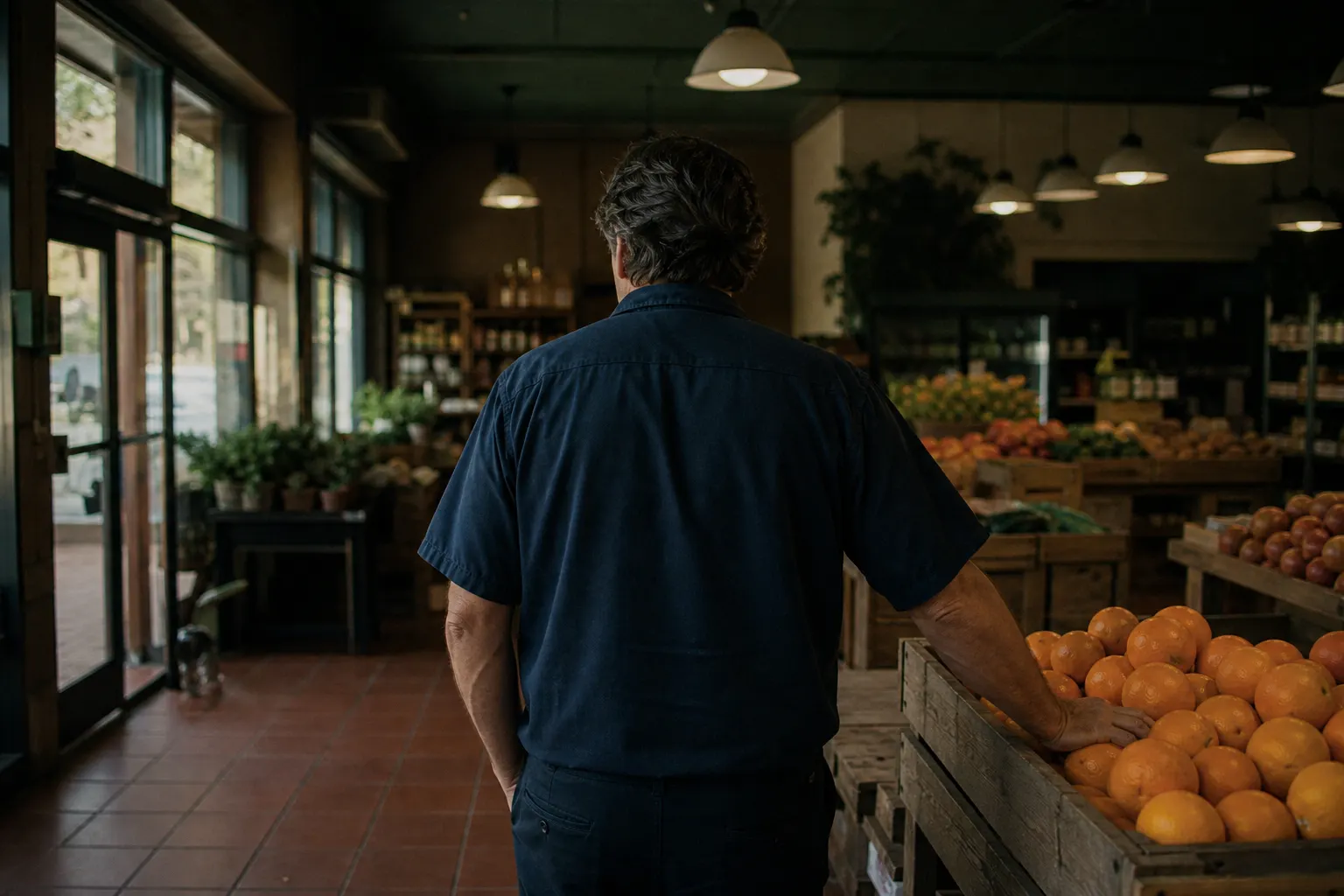
A District neighborhood grocery sells as a recast and a ward file, not as a Beltway slogan. If you own the store, recast the P&L and keep the sale confidential so the floor does not learn from a Giant driver on an East-of-the-River side street. If you want the keys, underwrite ABCA class, DC Health, and occupancy from this lease. Book a confidential intro to sequence that work. Email jason.taken@hedgestone.com if you want the hour written down.
Grocery Store Business Broker — HedgeStone Business Advisors, led by Jason Taken — works both sides. Buyers still shopping the District should read buy a grocery store in the District of Columbia. The metro reading lives on grocery stores for sale in Washington, DC. This page is the seller file: how to recast an East-of-the-River independent or a NoMa small-format week, how to stay quiet when ABCA is a public process, and how a buyer prices a leasehold without inventing a District rent.
Census CBP 2023 counts 169 NAICS 445110 grocery establishments in Washington, DC. That is an industry headcount, not listings. Census Vintage 2024 puts the July 1 District population at 702,250. Neither figure is a for-sale board. One hundred sixty-nine boxes in a compact city means the ward hears. National supermarket channel averages are context only — not this store’s week.59 weekly sales per selling square foot, and a 2.1 percent average net for food retailers. Those are channel facts. They are not your Petworth week. SDE from this recast is the number that matters.
Counsel and a CPA first. Then a blind teaser that names a part of the District, a format, and that inventory will be counted at cost — not the only neighborhood independent on that East-of-the-River stretch. NDA, then a CIM with departmental sales, the lease abstract, and the ABCA class. Managers hear when assignment or transition hours need them. A vestibule sign in a tight ward teaches the street before a buyer has signed. ABCA itself is a public process, so the teaser and the CIM have to do more work before the filing is visible.
Recast owner compensation, documented one-time repairs, and personal items. Take related-party rent to market if the next operator will pay a third-party landlord. Reject a standing inventory adjustment as an add-back. Preparing three years of financials and verifying sales with scan data tie the week to filings.
District grocery and food tax treatment is set by the Office of Tax and Revenue. Qualifying groceries are generally taxed differently from prepared food. Confirm the current OTR food schedule rather than assuming a state-style exemption. Do not import a Maryland or Virginia exemption. The recast should show what this store remits.
The U.S. Department of Labor WHD table effective July 1, 2026 lists the District at $18.40. Recast labor on what this store pays. Confirm DOES paid-leave rules. A store that already pays above $18.40 should not be recast as if the next operator could drop to the floor the Tuesday after close.
UCC Article 6 bulk-transfer statutes have been repealed in most states. The District may still impose sales-tax successor liability, a bulk-sale notice, or a tax-clearance practice. OTR tax clearance is a standard District asset-sale item. Confirm current successor-liability rules and any escrow holdback with counsel before closing.
The named alcohol agency is the Alcoholic Beverage and Cannabis Administration. Off-premise privileges are license-class specific. Verify the store’s class. Spirits are not treated as a grocery-spirits jurisdiction on the research pack’s secondary list. Verify class A or B privileges. Moratoria and ward-level density rules can apply. ABCA transfer is a public process. The transfer is not automatic. Price any class friction separately from store SDE. A hoped-for spirits set that the class does not allow is not an add-back. Liquor license due diligence is the longer note.
Retail food sits with DC Health, Food Safety. Call the desk that holds the current permit. Do not assume a neighboring-jurisdiction letter satisfies a District inspector. Tobacco sits with OTR and ABCA as applicable. DC Lottery is a separate file if tickets are on the counter. WIC sits with DC Health — WIC.
A CIM that says “DC health” without Food Safety is incomplete. Write the desk after NDA. The blind teaser can stay at a ward-group grain so it does not identify the only box on that stretch. Moratoria can change what a privilege is allowed to do on that address. Verify ABCA. Do not assume a neighboring ward’s privilege.
SNAP authorization does not transfer. USDA FNS requires the new owner to file a new retailer application. East-of-the-River boxes that ring a material EBT share need cash for the gap. What happens to SNAP authorization when you sell is the federal rule. Write the filing into the LOI. This research pack left SNAP retailer counts null. Do not invent a District SNAP-store census.
East of the River is described as food-access and independent neighborhood stores. Columbia Heights and Petworth are dense mixed-income with ethnic independents. Upper Northwest is higher-income conventional and specialty. Downtown and NoMa are office-adjacent small-format. Those are qualitative notes from the research file. Do not invent a population percentage for any of them. This research pack did not extract USDA Food Access Research Atlas flags, so this page does not cite a tract count.
A buyer who wants “a DC independent” without naming the stretch is not underwriting. An East-of-the-River neighborhood box is a different file from a NoMa small-format week that lives on office traffic. Buying an ethnic market outside your community is the caution. Underwrite the week, the shrink, and the remaining term. District and federal food-access programs exist; verify current DHCD or HFFI notices rather than citing a stale cap.
Giant Food (Ahold Delhaize), Safeway (Albertsons Cos.), and Yes! Organic / independent banners are competitive context. None of them are live listings on this page. Walk the set. See what they take from the week and what they leave. Then return to this scan file and this lease. A Giant multiple does not travel onto an East-of-the-River mix. An independent that tries to beat all three on labor will donate the week.
UNFI, C&S Wholesale Grocers, and KeHE (specialty) appear in the research pack as named wholesalers. Wholesaler consent is a third calendar. Wholesaler and banner agreements when you sell is the longer note. Write the person who will stand in the store into the CIM.
BizBuySell’s grocery and supermarket sold sample shows a 3.38 average earnings multiple in 2025, a 2.66 five-year average, an interquartile range of 1.60 to 3.15, and a 2025 average revenue multiple of 0.43. Those figures attach to recast earnings on a national listing-site sample. They are not a District sold-comp. They are not a Safeway multiple. They are not your ask. The valuation hub is the method. How to value a grocery store walks the same argument.
Occupancy is rent — base, CAM, tax, insurance — divided by this store’s sales. Pull both from the lease and the P&L. This research pack left grocery-relevant asking rent null. No dollar-per-square-foot rent belongs here. FMI’s $19.59 weekly sales per selling square foot is a supermarket channel figure, not a District rent target.
Lease due diligence is assignment, remaining term, options, co-tenancy, and use. A landlord who recasts rent as the price of consent changes SDE. Most District boxes lease. Some older neighborhood stores own the building. Confirm the file. If the seller owns the real estate, recast the store on a market rent you can defend and price the dirt as a second asset. Selling with a lease versus real estate keeps the piles apart.
Inventory is counted at cost at close. How inventory is counted at closing is the procedure. Department the room. Hold back unsellable. A seller who wants retail on the stockroom is selling a markup the buyer cannot keep. A wholesaler over-advance is debt.
The LOI should sequence ABCA approval, ward-moratoria confirmation, the DC Health Food Safety file, SNAP filing, OTR clearance, and landlord consent as dated steps. Because ABCA is a public process, write the filing date so the floor is not surprised by a posted notice. The LOI terms that matter for sellers is the longer list. Training hours after close keep an East-of-the-River mix alive. Transition and training periods is how you write those hours.
Employee transition is a people file. Handling employees, union contracts, and WARN is the longer note. Write who opens and who cuts meat into the LOI if those people are the recast. Paid-leave rules belong in that paragraph.
Buyers shopping a District search should treat East of the River, Columbia Heights and Petworth, Upper Northwest, and NoMa as files, not as a listings board and not as a blend with Maryland or Virginia. This site does not publish live District inventory. The work is the recast, ABCA, DC Health, SNAP, and occupancy from this lease.
A store that rings a real neighborhood week can be a going concern. A store that rings a hope will not become one because a banner left the ward. Ask for a full year of scan and EBT settlement. Grocery versus prepared-food remittance should appear as lines on the OTR tape. Confirm the health desk and the ABCA class on the same address before you write the closing Tuesday.
Employee transition is a people file on a 169-establishment District map. A closer who stays ninety days East of the River is worth more than a non-compete that tries to cover every grocery from Anacostia to Friendship Heights. Write who opens and who cuts meat into the LOI when those names are the recast. Handling employees, union contracts, and WARN is the longer note. The District sits at $18.40 on the DOL July 1, 2026 table. Confirm DOES paid-leave rules. Recast on the paycheck this store writes — Upper Northwest and East of the River are not the same labor story.
A CIM that says “DC liquor” without the ABCA class and any ward-level density or moratoria note is incomplete. ABCA transfer is a public process. Name the class after NDA. The blind teaser can stay at East of the River, Columbia Heights–Petworth, Upper Northwest, or NoMa grain so it does not identify the only box on that block. SNAP lag, DC Health Food Safety, and OTR clearance sit on the same cash calendar. Write dated steps into the LOI. Surviving due diligence is the seller companion when a Maryland buyer asks for a statewide ABC that does not apply.
Bring three years of P&Ls, the lease, the last health inspection, and the ABCA class. Grocery Store Business Broker will not invent a grocery-density figure, a rent range, or a SNAP-retailer census. We will recast the store you run and map ABCA, DC Health, SNAP, and occupancy from this lease.
Book a confidential intro to start that file. Email jason.taken@hedgestone.com if you want the hour in writing. About Jason Taken is the desk. Bring the health desk name and the class. The next step is the recast, not a sign in the vestibule.
Use this napkin recast on Keep an East-of-the-River grocery off the ward tape when you book the call. It is labeled illustrative. BizBuySell's 2025 grocery sold-business earnings multiple averaged 3.38, with a 2021-2025 IQR of 1.60-3.15. State pages add the tax, wage, and alcohol-agency facts for this jurisdiction. They do not invent a local sold-comp set.
| Input or output | Illustrative figure |
|---|---|
| Weekly sales (illustrative) | $92,000 |
| Annual sales | $4,784,000 |
| Recast SDE | $224,848 (4.7% of sales) |
| Inventory at cost | $239,200 (~20 turns) |
| Occupancy check | $148,304 / year (3.1% of sales) |
| Low going-concern | $722,623 at 2.15x SDE + inventory |
| High going-concern | $880,017 at 2.85x SDE + inventory |
| Sketch DSCR on a note | 1.43 |
If weekly sales or shrink move 8 percent, the SDE and the note move with them. That is why Jason Taken starts with scan data and the lease, not with a neighbor's rumor multiple.
Bring three years of P&Ls, weekly sales, and the lease abstract to the intro call. Jason will tell you whether this band is even in the conversation.
Print these, mark them up, and bring the marked copy to the intro. They are educational. They are not a valuation letter and not a listing. All downloadable guides.
Have the file ready so the hour is a recast, not a scavenger hunt. Then pick a time.
Get a grounded read on what buyers will pay
We recast SDE, separate inventory at cost, and price license risk. Download the seller playbook, then put 30 minutes on the calendar.
Get a Free Grocery Store Valuation ConversationNo. ABCA transfer is a public process and is not automatic. Moratoria and ward-level density rules can apply. Verify the store’s class and the ward map before you write a privilege into the CIM.
No. District grocery and food tax treatment is set by OTR. Qualifying groceries are generally taxed differently from prepared food. Confirm the current OTR food schedule for this register mix.
They are competitive context, as is Yes! Organic. They are not live listings and they are not a District sold-comp.
The U.S. Department of Labor WHD table effective July 1, 2026 lists the District at $18.40. Recast on what this store pays. Confirm DOES paid-leave rules.
Recast first. Blind teaser under NDA. Name an East-of-the-River format and that inventory will be counted at cost — not the only neighborhood independent on that stretch.
Sell on your terms, not on a listing site
HedgeStone Business Advisors runs a quiet process: recast, qualified operators, and a close that survives the count. The only next step is the intro call.
Book a Confidential Seller ConsultationThis page is educational information from Grocery Store Business Broker (HedgeStone Business Advisors). It is not legal, tax, or investment advice. Licensing, tax, and financing rules vary by state and deal. Confirm every item with counsel and your lender before you sign.
Ready when you are. Jason Taken will talk through the file.
Book a confidential intro