What dollar maximum does SBA publish for 7(a)?
The 7(a) program page states a $5 million maximum. That is the published cap this site will cite. Lender appetite for a given grocery file can sit well below that cap.
Grocery Store Business Broker · HedgeStone Business Advisors · Jason Taken
Last updated 2026-09-04
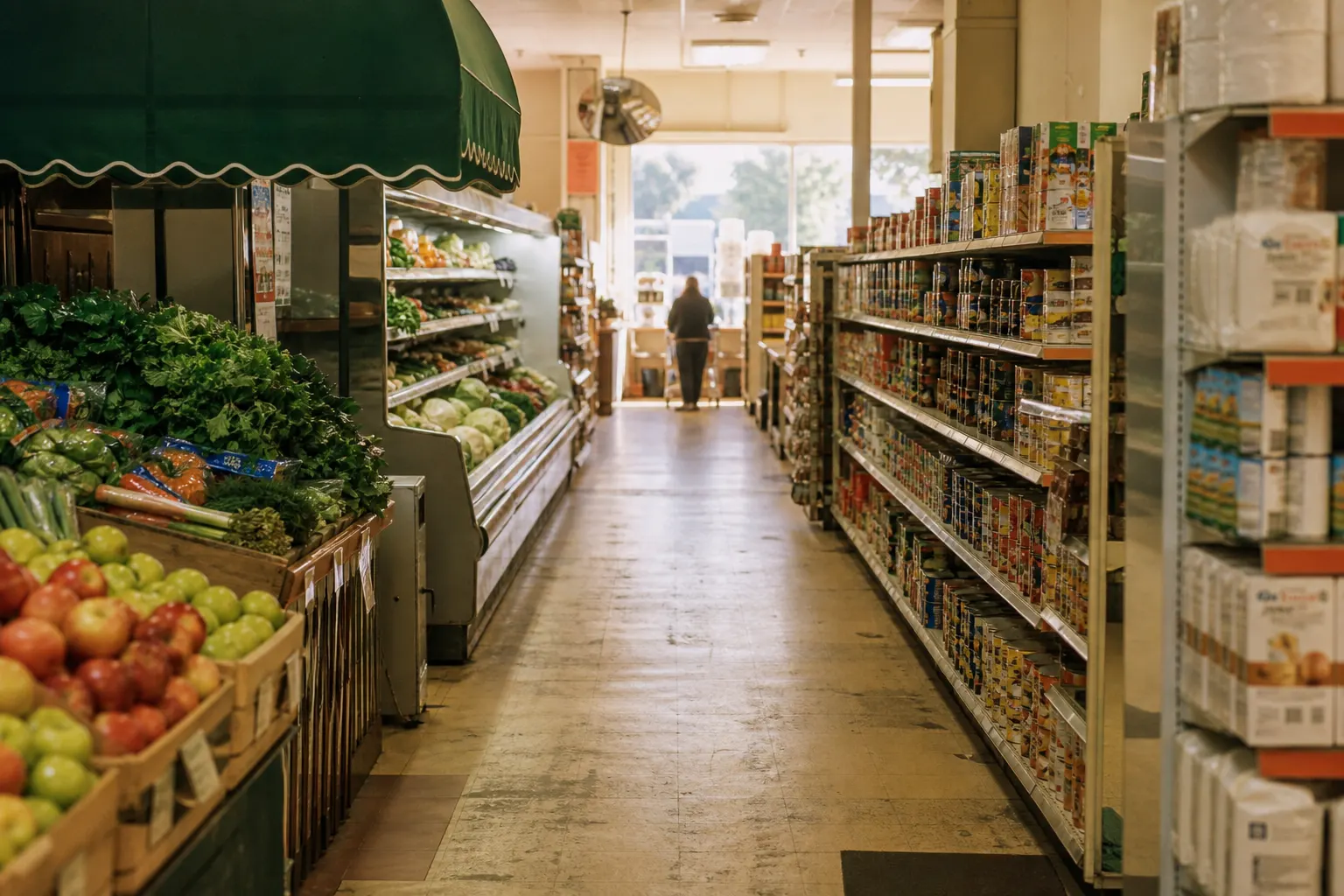
SBA 7(a) — SBA’s primary loan guarantee program. SBA guarantees a portion of a loan a participating lender makes. The program page states a $5 million maximum. Change of ownership is an eligible use. Eligibility bullets on that page: a for-profit U.S. business, small under SBA size requirements, not an ineligible type, unable to obtain the desired credit on reasonable terms from non-government sources, and creditworthy with a reasonable ability to repay.
Grocery Store Business Broker — HedgeStone Business Advisors, led by Jason Taken — will not invent unpublished size-standard dollar cutoffs, down-payment percents, or credit-score lines. Those live in SBA’s size-standards table and in SOP, which this glossary page does not reprint. Book a confidential intro with a recast a lender can rebuild. SBA 7(a) for grocery acquisitions is the longer process note. Can I buy a grocery store with an SBA loan is the short question.
Read the SBA 7(a) loans page as the source. Maximum 7(a) amount: $5 million. Use of proceeds can include buying a business. The guarantee is to the lender, not a check SBA writes to the grocer. The lender still underwrites.
This site does not publish a grocery-specific size-standard dollar table. “Small” is an SBA determination against the size rules that apply to that NAICS and that application. Do not treat a rumor threshold as a fact. Can a first-time buyer get financed is a separate question; 7(a) does not require a grocery résumé on the program page, and this page will not invent one.
Conventional and alternative financing is the fork when 7(a) is the wrong tool. The $5 million cap is a ceiling, not a typical grocery ticket.
A lender will recast the file. FMI’s 2.1 percent average net profit for food retailers in 2025 is a thin-net reminder: coverage is tight when occupancy and labor are real. DSCR is cash flow over debt service on the recast they believe. This pack does not invent a required ratio.
Lease assignment is often the critical path. A remaining term that will not outlast the note is a credit problem, not a footnote. Inventory at cost is usually a separate check; the loan has to leave cash for the room and for the first produce truck.
USDA FNS: SNAP authorization does not transfer. The new owner files a new application and may not use the seller’s permit. Budget a sales and working-capital gap. Unreported cash does not survive SBA underwriting. It also does not survive a serious conventional buyer. Buyer hub is the wider map.
When bank debt cannot cover goodwill plus the stockroom, a seller note often fills the gap. Many 7(a) grocery closings need that note on standby so principal to the seller does not compete with the guaranteed loan on day one. Read the standby the lender requires. Do not assume monthly principal to the seller on Monday if the credit box says otherwise. This page does not invent SOP standby language.
When the recast, the lease abstract, and an honest SNAP plan are in one folder, Book a confidential intro. Bring P&Ls a lender can rebuild and a lease remaining-term story you can show. The hour is whether a 7(a) lender can underwrite this grocery — not whether the program page’s $5 million maximum sounds large enough to skip the file.
Use this napkin recast on SBA 7(a) for a grocery buy when you book the call. It is labeled illustrative. BizBuySell's 2025 grocery sold-business earnings multiple averaged 3.38, with a 2021-2025 IQR of 1.60-3.15.
| Input or output | Illustrative figure |
|---|---|
| Weekly sales (illustrative) | $168,000 |
| Annual sales | $8,736,000 |
| Recast SDE | $358,176 (4.1% of sales) |
| Inventory at cost | $624,000 (~14 turns) |
| Occupancy check | $235,872 / year (2.7% of sales) |
| Low going-concern | $1,286,626 at 1.85x SDE + inventory |
| High going-concern | $1,752,254 at 3.15x SDE + inventory |
| Sketch DSCR on a note | 1.49 |
Rent at 2.7% of sales is the occupancy check. If the real lease is higher, the SDE in this table is too generous until you recast to market rent.
Book the intro call with your side of the table ready: seller files or buyer capital. The calendar is the only next step.
Print these, mark them up, and bring the marked copy to the intro. They are educational. They are not a valuation letter and not a listing. All downloadable guides.
Have the file ready so the hour is a recast, not a scavenger hunt. Then pick a time.
Get a specialist on the other side of the table
Grocery deals turn on licenses, inventory, and a recast a lender will believe. Book the intro and bring the file.
Book an Intro Call With Jason TakenThe 7(a) program page states a $5 million maximum. That is the published cap this site will cite. Lender appetite for a given grocery file can sit well below that cap.
Change of ownership is an eligible use on the program page. The lender still has to like the recast, the lease, inventory at cost, and the license clocks. Eligibility is not a close.
No. Those cutoffs live in SOP and in the lender’s box. Grocery Store Business Broker will not invent percents or FICO lines that SBA did not put on the program page.
Unreported cash, a lease that will not assign, a recast that will not tie, or no plan for a new SNAP application. The guarantee does not replace those conditions.
Start a confidential grocery conversation
Whether you are exiting or acquiring, pick a time and we will talk through the file.
Book an Intro Call With Jason TakenThis page is educational information from Grocery Store Business Broker (HedgeStone Business Advisors). It is not legal, tax, or investment advice. Licensing, tax, and financing rules vary by state and deal. Confirm every item with counsel and your lender before you sign.
Ready when you are. Jason Taken will talk through the file.
Book a confidential intro