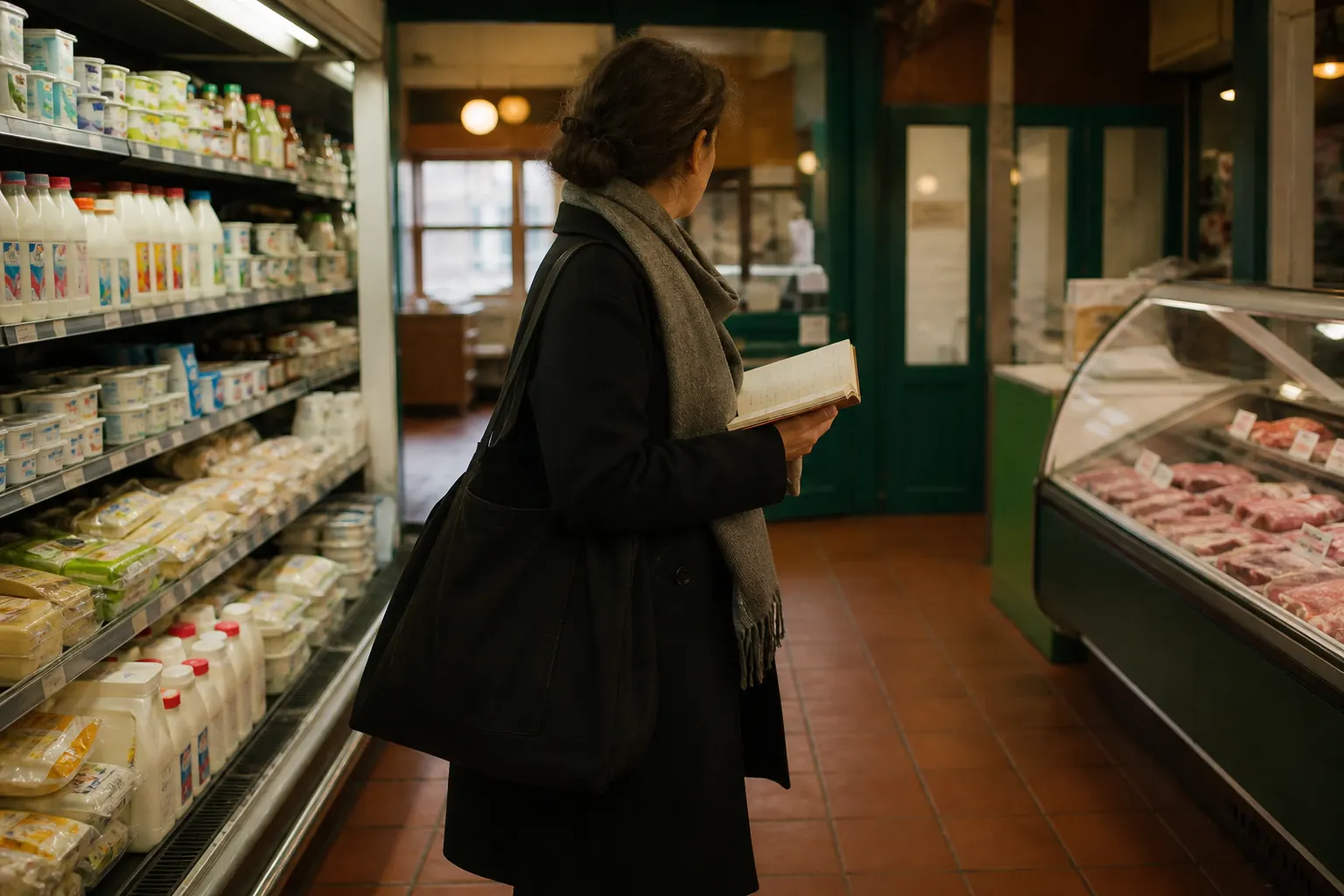
Print the Buyer Underwriting Workbook, name the Massachusetts municipality and its Section 15 status, then book a confidential intro with proof of funds and perishable hours you can staff. Grocery Store Business Broker — HedgeStone Business Advisors, led by Jason Taken — underwrites a Commonwealth independent as a quota license calendar first, then a hired-labor SDE recast. Email jason.taken@hedgestone.com when the town liquor board and the warehouse letter are on the same page.
Census Vintage 2024 estimates Massachusetts at 7,136,171 people as of July 1, 2024. Census County Business Patterns 2023 counted 1,348 establishments in NAICS 445110 (supermarkets and other grocery retailers except convenience), all legal forms. That is industry headcount. It is not a listings board and not a SNAP-retailer census. USDA FNS authorization does not transfer.
Section 15 quotas before the asking price
Many Massachusetts groceries that sell wine or spirits hold a Section 15 package-store license. Municipality population quotas are a classic Commonwealth deal issue. The local liquor board plus the Massachusetts Alcoholic Beverages Control Commission must approve the incoming owner. Transfer is not automatic. Quota licenses can carry separate market value from the grocery operations — or they can be worthless to you if the board will not move on your timeline.
Model the store with and without the privilege when approval is uncertain. A CIM that blends package gross into grocery SDE without naming the quota desk is selling hope. Liquor license due diligence is the national worksheet; Massachusetts adds the town hearing calendar. Put ABCC and the local board on the critical path next to retail food, not after you have already argued a trophy multiple.
Beer, wine, and spirits rules still vary by municipality even when the grocery “has alcohol.” Verify the exact license class on the store address. Local exceptions kill national assumptions. A North Shore coastal town and a Springfield corridor do not share one package story.
Meals tax on the hot bar is not staple grocery
Massachusetts generally exempts food products for human consumption from sales tax. Prepared meals are taxable. Confirm Massachusetts Department of Revenue meals-tax versus grocery guidance for hot bars, salad bars, and anything the register treats as a meal. A recast that books deli gross as staple grocery margin will misstate what this store remits and what a lender will believe.
Sales-tax and meals-tax returns corroborate sales; they are not a substitute for scan data. Tie thirteen weeks of tape to EBT deposits and bank deposits before you accept storewide “sales” in a teaser. On the asset sale, confirm DOR tax clearance and successor liability practice. Repealed UCC Article 6 bulk-transfer language does not erase notice or escrow habits — counsel should size the holdback.
Market Basket gravity and the independent that survives it
Stop & Shop (Ahold Delhaize), Shaw’s / Star Market (Albertsons Cos.), Hannaford (Ahold Delhaize), and Market Basket (DeMoulas) set price perception across large parts of the Commonwealth. They are competitive weather. They are not sold comps for your independent, and this page will not invent a Massachusetts asking-price average.
Independents next to Market Basket live on trips the warehouse banner will not take: immigrant SKUs, credit, late hours, a butcher who knows the corridor. If the tape looks like a miniature Stop & Shop circular, you are buying a price war. Recast shrink, hired labor at the $15.00 floor plus paid-leave rules that hit the paycheck, and occupancy as rent plus CAM over proven sales. This pack does not publish rent comps.
Wholesale continuity often runs through Associated Grocers of New England, C&S Wholesale Grocers, and UNFI. Drop minimums, over-advances, and personal guarantees travel with the buyer. Read the wholesaler letter before you sign exclusivity. A close that ignores the next drop reopens when the cooler is empty.
Town board of health is the food desk
Retail food in Massachusetts is practical local government. State DPH sets the food code; local boards of health issue permits and inspect. Incoming operators file as a new retail food operation in the town that holds the address. A Boston neighborhood board is not Worcester, and neither is a South Shore suburb. Call the town. Put that letter on the same calendar as ABCC.
Tobacco and lottery, where present, are separate retailer files — not automatic riders on the grocery bill of sale. Confirm each contract name before you treat ticket or tobacco gross as durable.
Funding the Massachusetts change of ownership
SBA 7(a) can finance a change of ownership. The published program maximum is $5 million. That is a ceiling, not a quote on a 1,348-establishment industry. Eligibility still depends on recast earnings, hours a lender will believe, inventory at cost counted at close, and a dated SNAP calendar. This page will not invent SOP equity-injection percents.
DOL’s July 1, 2026 consolidated table lists Massachusetts at $15.00. Confirm state paid-leave and local overlays that raise the true hourly cost above the headline floor. Replace unpaid owner weeks before you run the SBA 7(a) payment and DSCR calculator. A seventy-hour owner-cutter is key-person risk, not a wage savings.
Cash to close is equity, the inventory wire, working capital through FNS downtime, closing costs, and any DOR escrow. USDA FNS requires a new SNAP application; the seller’s EBT deposit does not ride. Use the cash-to-close estimator as a teaching worksheet. Hold back unsellable on the count — retail tags are not cost.
Dorchester to Springfield — four different weeks
Boston / Dorchester / East Boston / Quincy corridors carry Cape Verdean, Vietnamese, Chinese, and Latino independents that win on import and community trips. Cambridge / Somerville mixes specialty and dense urban independents with brutal parking and occupancy stories. Worcester and Springfield are secondary metros; Springfield’s Puerto Rican and Latino corridors are not a Boston parking file. North Shore and South Shore suburban conventional boxes sit in Market Basket and Stop & Shop weather — prove the trip set before you stretch DSCR.
Boston metro is one underwriting cell, not the Commonwealth. Drive the true corridor. Do not price a Seaport fantasy onto a Springfield lease. Remaining term under twenty-four months without options is a price cut on any of these files. If the seller owns the box, recast operations on market rent and keep realty on a separate page — buying a store with real estate is two prices.
Quota towns, local boards, and the hearing that moves closing
Massachusetts package economics live or die in municipal process. A Section 15 privilege in a quota town can be worth more than the cooler case — or worth nothing to you if the local board will not calendar an incoming-owner hearing inside your financing window. Build the LOI so alcohol approval is a dated condition, not a vibe. Ask counsel whether the package privilege should be priced as a separate asset from grocery operations when the quota is binding.
Local boards of health are equally local. State DPH sets the food code; the town issues and inspects. A buyer who treats “Massachusetts health” as one statewide desk will miss the letter that actually unlocks keys. Put the town health file next to ABCC on the same whiteboard. Tobacco and lottery contracts, where present, get their own lines.
Meals-tax discipline belongs in register diligence. Hot bars and salad bars can pull prepared-meal treatment while adjacent packaged grocery stays exempt. Train the diligence team to sample tender types and SKU classes, not just storewide sales. DOR returns help when you understand that mix; they mislead when you do not.
Southern New England wholesale habits matter. Associated Grocers of New England membership is not interchangeable with a C&S or UNFI over-advance story. Ask which book drops, what the personal guarantee looks like, and whether the co-op board must accept you. A North Shore independent that survives Market Basket gravity on AGNE terms is a membership file. A Boston immigrant corridor on UNFI specialty drops is a different continuity risk.
Paid-leave and wage overlays raise true hourly cost above the $15.00 headline. Recast the night crew and the cutter at loaded cost. A seller who “does not need” a second cutter is describing unpaid key-person risk. Replace those hours before you run DSCR. Occupancy share on Cambridge or Somerville files can kill a note that would clear in Springfield even when sales look similar on a brochure — run the actual lease, not a vanity rent-per-foot story this pack will not invent.
Seasonality cuts both ways. Seacoast-adjacent summer volume is not a twelve-month average. University-adjacent weeks move when students leave. Stress the thin calendar. Remaining lease term under twenty-four months without options is a price cut on every Massachusetts geography in this essay.
Seller non-compete language matters when the corridor is dense with immigrant retailers who know the same importers. Draft it to the trade area you are buying, not to “the Commonwealth.” Surviving due diligence is the calendar after NDA. Print the closing and license checklist and put ABCC, the local liquor board, and the town health desk on it before you celebrate a signed exclusivity.
Cash calendar when the quota hearing slips two weeks
Massachusetts financing fails when the Section 15 hearing slips and nobody resized cash to close. Build a reserve that covers inventory replenishment, payroll, and rent through both FNS downtime and a delayed local liquor-board date. Associated Grocers of New England, C&S, or UNFI will not pause drops because ABCC is slow. The cash-to-close estimator is a worksheet for that stack, not a lender quote.
Dorchester, East Boston, and Quincy immigrant corridors need SKU diligence that North Shore conventional independents do not. Cambridge and Somerville occupancy stories can kill notes that would clear in Worcester. Springfield Puerto Rican and Latino corridors are not Boston parking files. Write the municipality into every model. Boston metro is one cell inside the Commonwealth — not a license to paste downtown assumptions statewide.
Seller earn-out talk sometimes appears when quota value is disputed. Draft earn-outs only against measurable package or grocery metrics a lender will accept — not against hope. How to read a CIM is the annotation method for teasers that blend package and grocery into one headline number. If the lease expires inside the SBA term without options, cut price or walk before you debate the quota.
What to put on the LOI calendar
Week one: three years of filings, thirteen weeks of scan-tied sales, EBT deposits, and the Section 15 license abstract. Week two: local liquor board hearing dates, ABCC incoming-owner steps, and the town board of health. Week three: AGNE / C&S / UNFI continuity and the new FNS application. Print the closing and license checklist.
Then book a confidential intro. Bring the municipality name, the quota status, the lease, and an honest labor plan. HedgeStone will tell you whether the recast covers debt service — and whether the package privilege is an asset or a delay. Sibling owner process: sell a grocery store in Massachusetts. Sequence: how to buy a grocery store step by step. National method: the buyer hub.
How a buyer would price Buy a Massachusetts grocery only after you map the quota town
These figures are a teaching walk-through for Buy a Massachusetts grocery only after you map the quota town, not a quote and not a sold comp. Order of operations: weekly sales, recast SDE, inventory at cost, then a multiple band. State pages add the tax, wage, and alcohol-agency facts for this jurisdiction. They do not invent a local sold-comp set.
Inventory is cash at close, not a multiple. Confusing the two is how sellers over-ask and buyers under-cash the wire.
Bring proof of funds or a lender pre-screen, your format, and geography. Jason will tell you whether a store like this can clear SBA or seller-carry math.
This page is educational information from Grocery Store Business Broker (HedgeStone Business Advisors). It is not legal, tax, or investment advice. Licensing, tax, and financing rules vary by state and deal. Confirm every item with counsel and your lender before you sign.