Do retail shelf tags count as cost?
No. The check is last-invoice cost or a written cost file, not the tag a shopper sees.
Grocery Store Business Broker · HedgeStone Business Advisors · Jason Taken
Last updated 2026-09-04
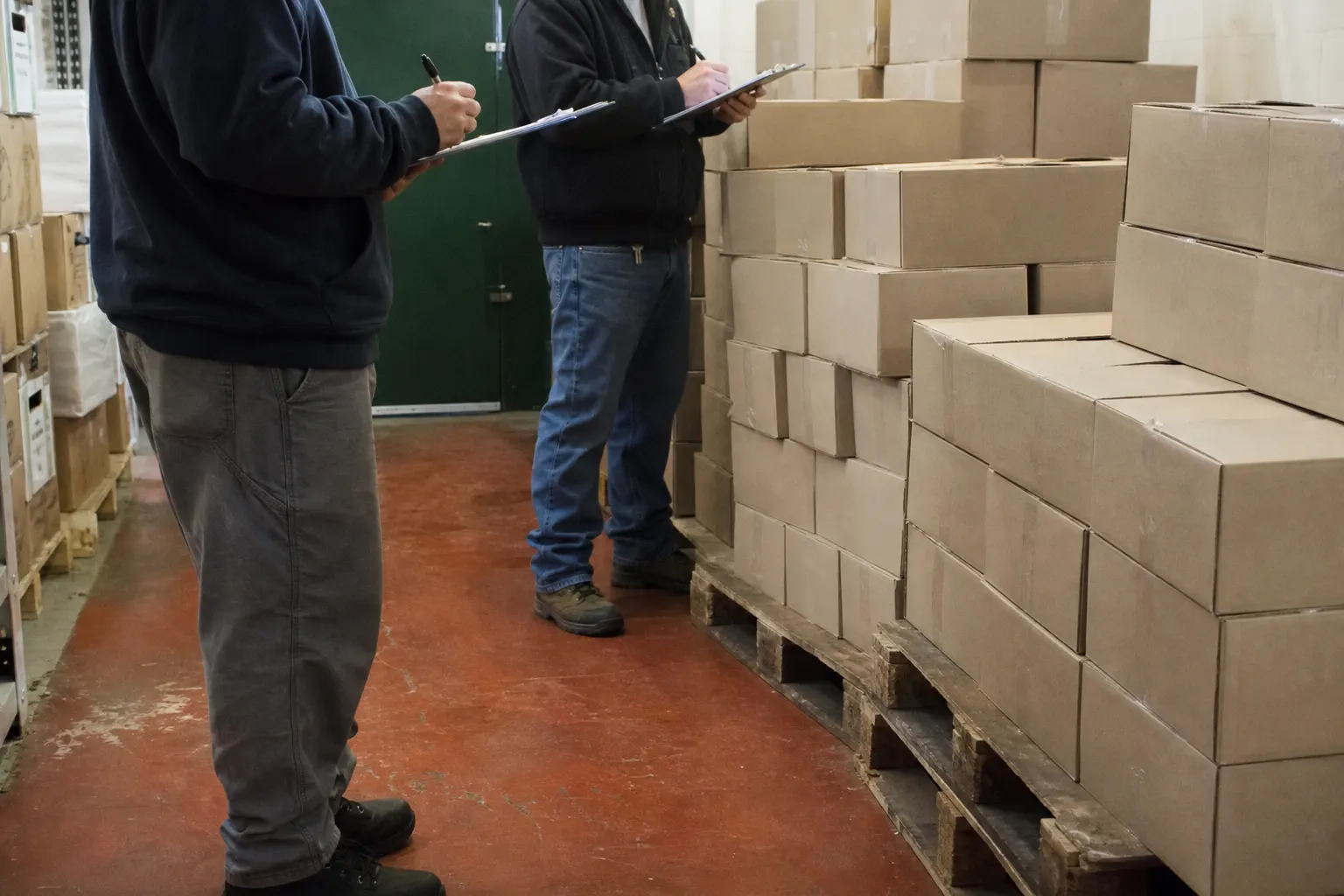
Inventory night is a close inside the close. The going-concern price is one number. The stockroom is another. If you treat them as one headline, you will fight at 2 a.m. over a pallet that should have been a sentence in week five. Grocery Store Business Broker — HedgeStone Business Advisors, led by Jason Taken — writes the count as rules first, then a tape. This page is the method. Closing-day count procedures is the night itself. The seller hub is the door in. How a sale works is the calendar around the tape.
FMI’s 2.1 percent average net profit for food retailers in 2025 is why a sloppy count is not a rounding error. There is no slack for a room priced at retail tags. Print the closing and license checklist and mark the inventory lines before you argue a multiple.
Inventory at cost means last-invoice cost, a current cost file from the wholesaler, or a written method a third-party service will apply. It does not mean the tag a shopper sees. It does not mean “retail less 30 percent” unless both sides signed that formula. A buyer who funds with SBA 7(a) or a conventional lender will not wire against shelf stickers. A cash buyer who is serious will not either.
Cost lives in three places: the last invoice on the case, the wholesaler’s cost file, and the DSD book. Those three should tell one story. A gap is mix, an old cost file, or a room that was never counted. FIFO versus a messy room is how you start a fight. If the back room is a pile, you are not counting FIFO. You are guessing. Write “count what is on the shelf and in the cooler as found, at last invoice, dated product pulled” or write the service you will hire. Do not write “industry standard.” There is no such sentence that survives 2 a.m.
Retail tags hide markdowns, vendor deals, and the meat manager’s hope. A case of soda on a TPR is not worth the tag. A private-label run bought on a deal is not worth the everyday cost. The APA should say which cost: last invoice, average of the last two, or the service’s file as of a named date. Asset purchase agreement essentials is where that sentence lives after the LOI has already said it.
BizBuySell’s grocery and supermarket sold sample — 3.38 average earnings multiple in 2025, IQR 1.60–3.15 for 2021–2025 — is a national listing-site band on earnings. It is not a cost file. Do not bury inventory inside that multiple and then “true up later.” Later is how a seller leaves money on the floor and a buyer overpays for dust.
Unsellable is a list. Date-coded dairy past a named window. Meat that will not make the next safe day. Produce that a buyer would not put out. Open cases with no intact UPC. Recalled SKUs. Seasonal candy in March. A “manager’s special” rack that has been a special for six weeks. If it is not on the list, someone will try to count it. If it is on the list and you did not pull it, someone will try to count it anyway.
Who pulls it, who pays the labor, and where it goes should be in the same paragraph. A seller who wants full cost on dated yogurt is asking the buyer to fund shrink that already happened. Shrink that repeats every year is the business. It is not an add-back on the recast and it is not a gift on the tape. Read shrink, margin, and turns so you stop treating a dirty room as a valuation debate.
Holes and overstock are different problems. Count night prices the second. A buyer who sees six months of one cookie SKU will exclude it or discount it. Write the rule: slow movers older than a named days-on-hand take a stated discount or come off the tape.
Damaged goods and a freezer that failed last Tuesday belong in diligence. Pull spoiled cases before the night. Recurring “inventory adjustments” on the P&L are shrink. Recasting a grocery P&L is the earnings page. This page is the room.
Turns are not one number. Center store and wine do not share a clock. Meat and produce turn in days. Grocery can sit for weeks. Frozen sits on a different risk. Alcohol sits on a privilege. If you run one blended “inventory days” into the CIM, you are hiding the perimeter.
Count by department, or hire a service that does. Grocery, dairy, frozen, meat, produce, bakery, deli, beer and wine, and non-foods each get a subtotal at cost. A storewide blend lets a healthy grocery number carry a sick meat case. Department gross margin hides the same way on the P&L. The tape should not repeat that sin.
A smaller independent can still have a meat cooler that is half the inventory dollar. Count it as meat. FMI channel weekly-sales figures describe the Speaks sample, not your 8,000-square-foot box.
DSD vendors — bread, snacks, beverages, ice cream — often own the product until it scans, or they bill on a standing invoice. Confirm who owns the rack before you count it into the seller’s dollar. A bread rack the baker still owns is not the seller’s inventory. A beverage book on consignment is not the seller’s inventory. Write “DSD owned by vendor excluded; seller-owned DSD counted at last invoice.” Then tell the vendors the cutoff. Wholesaler and banner agreements is the book behind the center-store cost file.
Pharmacy, if you have one, is a second count with a second license. Do not roll Rx into grocery cost. Lottery tickets are often personal. Confirm before you put scratch tickets on the tape.
The LOI terms that matter for sellers should say how inventory is counted, what is unsellable, who pays the crew, and how disputes resolve. The APA repeats those sentences and binds them to escrow. If the LOI says “inventory at cost, TBD,” you have reserved a fight. TBD is how Tuesdays slip.
A third-party count service is a method, not a personality. Name the service or name the standard they will use. Say who hires them and who pays. Split fees are common. A seller who insists on a house crew and a buyer who insists on a service should settle that in week five, not at midnight. Closing-day count procedures is the logistics of crew, cutoff, and who holds the scanner.
Dispute resolution needs a number and a person. Teaching example, labeled illustrative: the parties agree that a SKU-level variance under a stated percent of a department is averaged, and a variance over that percent is recounted by a named lead before dawn. They agree a dated dairy item is unsellable without a debate. They agree the meat manager does not get a veto after the tape. That is a close. A “we’ll be fair” sentence is not.
A slice of the inventory dollar can sit in escrow if the room was messy. That is a holdback, not an earn-out. Earn-outs are hard because the buyer controls mix after Monday. Do not use one to paper over a count you were afraid to write.
Most grocery files close as an asset sale. The going-concern check is recast SDE times a defendable multiple. Inventory at cost is added. Owned real estate, if any, is a second asset. Selling with a lease versus real estate is that split.
The count can land above or below the CIM guess. Write what happens. A collar, a pure true-up, or a cap against a stuffed back room — say which. Do not leave it as “we’ll true up.”
SBA 7(a) can finance a change of ownership. Published maximum is $5 million. Inventory treatment is deal-specific. Do not invent SOP line items. Some files fund inventory inside the loan. Some want cash at the table for the stock. Read SBA 7(a) for grocery and run the cash-to-close estimator so both sides say the real number. A seller who thinks the buyer’s “down payment” includes the room will be surprised. A buyer who thought inventory was “in the price” will be surprised. How much money you need is the stack in prose.
Allocation among equipment, goodwill, and inventory changes both sides’ taxes. Taxes on selling belong in week two with the CPA, not the morning after the tape. Do not let a tax wish rewrite the count method.
USDA FNS: SNAP authorization does not transfer. The new owner files a new application. Counted cans do not carry the permit. Budget downtime in cash and in the story you tell the landlord. A room full of WIC-eligible cereal does not move the WIC vendor file. Read what happens to SNAP when you sell and EBT / SNAP diligence.
Alcohol is a class, a quota, or a control-state product. NABCA lists 17 control states plus local-control pockets. In a control state you may be counting a product relationship, not a transferable spirits privilege. A quota license is a different scarcity: confirm the privilege moves, and do not double-count its price inside the grocery multiple and again on the beer cooler. Transferring a liquor license is the calendar. Liquor license diligence is the file. Write license outs into the LOI so a failed privilege does not leave the buyer paying full cost for a cooler they cannot sell.
Tobacco stamps, lottery books, and pharmacy Rx are agency files. They are not “inventory” because they sit on a shelf. Confirm ownership and transfer before the tape. WIC, lottery, and tobacco is the list.
Tax clearance belongs in escrow language. Bulk-sale or successor-liability practice can still exist after UCC Article 6 died. See state bulk-sales notes. A clean tape does not clear a sales-tax lien.
The tape is not the last grocery act. Transition hours are a close condition. Write them. The seller who knows the meat case should be on the floor after funding, for named hours, on named days. Transition and training is the week-one plan. DSD vendors will keep delivering after a sloppy close only if someone is paying them. Give them a cutoff and a new account.
Employees learn from vendors and shoppers. A vestibule sign about a sale is how shrink starts before you have a buyer. How to sell confidentially is the silence plan. Count night is when more people find out. Plan the morning-after speech before you schedule the night.
Post-close, the first 90 days are vendor trust, shrink, and not changing the mix for sport. Read the 90-day plan. Write holdback triggers so a mix fight has a clock.
Jason Taken and HedgeStone are not licensed business brokers in every state. Check the rule that applies to your deal. Selling the building always requires a real-estate licensee in that state.
Mark the seller playbook on the inventory lines. Print the SDE worksheet so the multiple and the room stay separate. If you want the count method written into your LOI before anyone tapes a shelf, book a confidential intro. Bring last week’s sales, an honest guess at cost, and the wholesaler page that shows how you buy. That is enough to start the rules.
Use this napkin recast on How grocery inventory is counted at closing when you book the call. It is labeled illustrative. BizBuySell's 2025 grocery sold-business earnings multiple averaged 3.38, with a 2021-2025 IQR of 1.60-3.15.
| Input or output | Illustrative figure |
|---|---|
| Weekly sales (illustrative) | $141,000 |
| Annual sales | $7,332,000 |
| Recast SDE | $300,612 (4.1% of sales) |
| Inventory at cost | $523,714 (~14 turns) |
| Occupancy check | $190,632 / year (2.6% of sales) |
| Low going-concern | $1,170,030 at 2.15x SDE + inventory |
| High going-concern | $1,380,458 at 2.85x SDE + inventory |
| Sketch DSCR on a note | 1.47 |
Rent at 2.6% of sales is the occupancy check. If the real lease is higher, the SDE in this table is too generous until you recast to market rent.
Bring three years of P&Ls, weekly sales, and the lease abstract to the intro call. Jason will tell you whether this band is even in the conversation.
Print these, mark them up, and bring the marked copy to the intro. They are educational. They are not a valuation letter and not a listing. All downloadable guides.
Have the file ready so the hour is a recast, not a scavenger hunt. Then pick a time.
Get a grounded read on what buyers will pay
We recast SDE, separate inventory at cost, and price license risk. Download the seller playbook, then put 30 minutes on the calendar.
Get a Free Grocery Store Valuation ConversationNo. The check is last-invoice cost or a written cost file, not the tag a shopper sees.
No. Recast SDE times a defendable multiple, plus inventory at cost as a separate line.
The LOI. Date, damage, open case, and recalled SKUs should be on paper before anyone tapes a shelf.
No. USDA FNS: the new owner files a new application. Counted cans do not carry the permit.
In the LOI, while everyone is still polite. The APA repeats them. Do not invent them at 2 a.m.
Sell on your terms, not on a listing site
HedgeStone Business Advisors runs a quiet process: recast, qualified operators, and a close that survives the count. The only next step is the intro call.
Book a Confidential Seller ConsultationThis page is educational information from Grocery Store Business Broker (HedgeStone Business Advisors). It is not legal, tax, or investment advice. Licensing, tax, and financing rules vary by state and deal. Confirm every item with counsel and your lender before you sign.
Ready when you are. Jason Taken will talk through the file.
Book a confidential intro