Is a weekly sales spreadsheet the same as scan data?
No. Scan is item- or department-level POS history: mix, voids, markdowns, tender types. A weekly total without that grain is a rumor you cannot recast from.
Grocery Store Business Broker · HedgeStone Business Advisors · Jason Taken
Last updated 2026-09-04
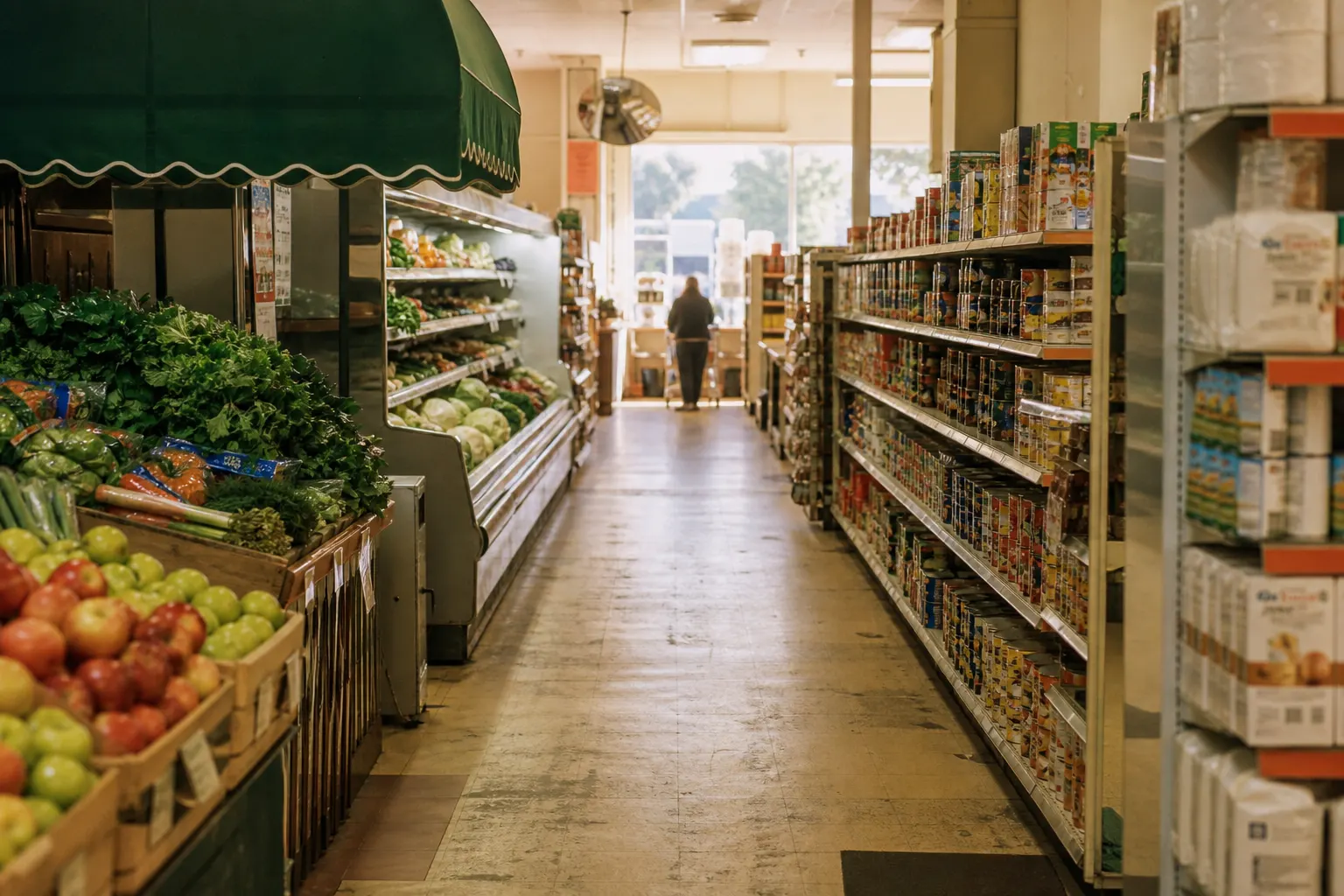
Scan data — Point-of-sale item-level sales history. On a grocery file it is the adult conversation: what rang, in which department, at what discount, with which tender — including EBT. A weekly-sales cell in a CIM is not scan.
Grocery Store Business Broker — HedgeStone Business Advisors, led by Jason Taken — wants the export before the multiple argument. Verifying sales with scan data is the method. How do I verify grocery store sales is the short question. Book a confidential intro when you can actually pull a year off the register.
Ask for department or SKU grain, not a manager’s recap. Mix tells you whether the store is a meat destination or a center-store rumor. Voids and discounts tell you whether the front end is leaking. Tender mix tells you whether the cash story and the EBT story can both be true. Basket size is dollars per ticket inside that same export; it is not a substitute for mix.
FMI’s average weekly sales per supermarket of $668,377 in 2025 is a channel weekly. It is not this store’s scan. If the CIM’s weekly sits next to that figure as if they were cousins, pull the export and see whether this box is even in the same conversation. Recast financials cannot be built from a weekly rumor.
If the POS is old, say what it will export. Some independents can give departments and not SKUs. That is still better than a handwritten week. A seller who will not try is asking you to underwrite a story. Price the story as a story. If two registers do not talk to one back office, export both and say so in the CIM rather than averaging a manager’s recap.
The recast has to survive a three-way. Scan totals against the P&L. Sales-tax filings where food is taxed or partially taxed. Bank deposits and EBT settlement reports. A gap is mix, a SNAP downtime, voids, lottery treated as grocery, or fiction. Surviving due diligence is how buyers walk that gap.
USDA FNS: SNAP authorization does not transfer. EBT in last year’s scan is the seller’s permit. A buyer cannot assume the same tender mix on Tuesday. Use scan to size the EBT share so the working-capital plan is honest. Do not treat the seller’s EBT weeks as the buyer’s run-rate without a new-application clock.
SDE is still the earnings definition. Scan does not replace the recast. Scan is how you believe sales and mix before you add back owner pay. The valuation hub stays on recast earnings plus inventory at cost.
Department scan that contradicts the CIM — “we are a produce house” while produce is a rounding error — is a file problem, not a rounding error. Heavy voids at one lane are a shrink and a people problem. A rising basket with falling transaction counts is a different store than the reverse; both show up in scan if you ask.
Confidentiality still applies. The export is diligence material under NDA, not a vestibule flyer. Do not email a year of SKUs to a tire-kicker.
When the POS will export and you are willing to let a serious buyer tie it to filings, Book a confidential intro. The hour is for whether the register and the return tell the same grocery — not for decorating a weekly total that has no mix.
Use this napkin recast on Grocery scan data in a deal when you book the call. It is labeled illustrative. BizBuySell's 2025 grocery sold-business earnings multiple averaged 3.38, with a 2021-2025 IQR of 1.60-3.15.
| Input or output | Illustrative figure |
|---|---|
| Weekly sales (illustrative) | $108,000 |
| Annual sales | $5,616,000 |
| Recast SDE | $230,256 (4.1% of sales) |
| Inventory at cost | $401,143 (~14 turns) |
| Occupancy check | $134,784 / year (2.4% of sales) |
| Low going-concern | $896,193 at 2.15x SDE + inventory |
| High going-concern | $1,057,373 at 2.85x SDE + inventory |
| Sketch DSCR on a note | 1.43 |
If weekly sales or shrink move 8 percent, the SDE and the note move with them. That is why Jason Taken starts with scan data and the lease, not with a neighbor's rumor multiple.
Book the intro call with your side of the table ready: seller files or buyer capital. The calendar is the only next step.
Print these, mark them up, and bring the marked copy to the intro. They are educational. They are not a valuation letter and not a listing. All downloadable guides.
Have the file ready so the hour is a recast, not a scavenger hunt. Then pick a time.
Get a specialist on the other side of the table
Grocery deals turn on licenses, inventory, and a recast a lender will believe. Book the intro and bring the file.
Book an Intro Call With Jason TakenNo. Scan is item- or department-level POS history: mix, voids, markdowns, tender types. A weekly total without that grain is a rumor you cannot recast from.
A year is the adult conversation, plus enough weeks to see season. A pretty month is a tour. If the system will not export, say so before the LOI.
The P&L, sales-tax filings where they exist, and bank or EBT settlements. Gaps are mix, downtime, voids, or fiction. Diligence is finding which.
You can try. Serious buyers and lenders will still ask. A file that cannot produce scan is priced as a story, not as a recast.
Start a confidential grocery conversation
Whether you are exiting or acquiring, pick a time and we will talk through the file.
Book an Intro Call With Jason TakenThis page is educational information from Grocery Store Business Broker (HedgeStone Business Advisors). It is not legal, tax, or investment advice. Licensing, tax, and financing rules vary by state and deal. Confirm every item with counsel and your lender before you sign.
Ready when you are. Jason Taken will talk through the file.
Book a confidential intro