Can the LOI lock a fixed inventory dollar?
It can lock a method, a collar, or a cap. A fixed dollar with no count is how one side overpays for a stuffed back room or the other leaves money on the floor.
Grocery Store Business Broker · HedgeStone Business Advisors · Jason Taken
Last updated 2026-09-04
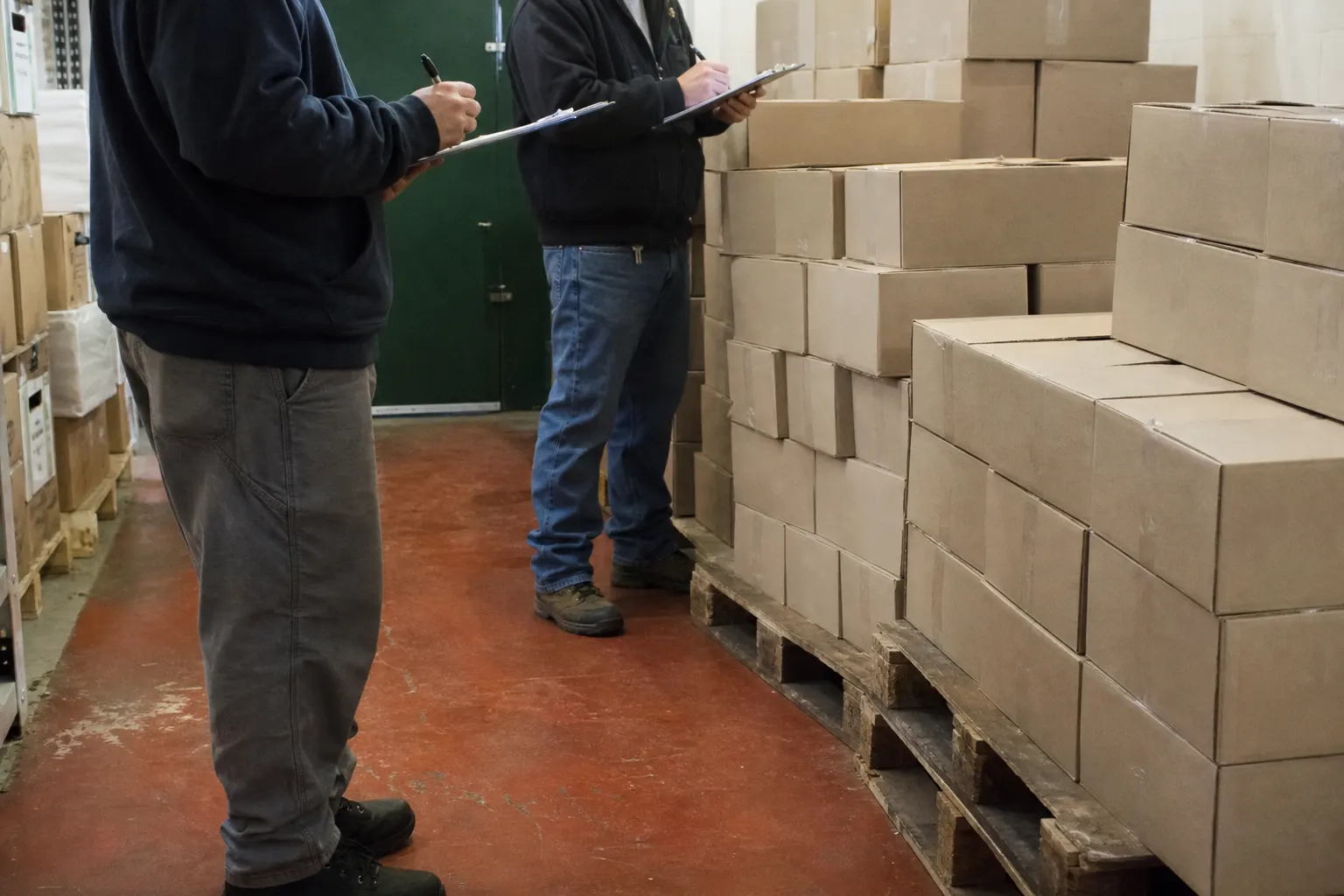
Pay the tape. Estimate the room early so both sides can fund, then settle whatever the count prices at cost after unsellable stock comes off. Grocery Store Business Broker — the grocery practice of HedgeStone Business Advisors, led by Jason Taken — treats that dollar as a second asset, not a rounding error inside goodwill. Book a confidential intro with last week’s sales and an honest department guess if you want the mechanic written before closing week.
FMI’s 2.1 percent average net profit for food retailers in 2025 is why a sloppy room is not a footnote. Thin net plus a stockroom priced at retail tags is how a “done” deal reopens at 2 a.m. The parent night is closing-day inventory count procedures. The method page is how inventory is counted at closing. This page answers only the dollar.
A CIM that says “inventory approximately $X at cost” is a planning number for working capital and the cash-to-close estimator. It is not the check. The check is the two-party or named-service tape, department by department, after the unsellable list has done its work.
Write what happens when the tape misses the guess. A pure true-up — buyer pays exact counted cost — is clean when the room is honest. A collar — a band where the difference does not move the going-concern check, and a difference outside the band wires — is common when both sides want a buffer. A cap protects a buyer from a seller who stuffed the back room in the last thirty days. Pick one in the LOI. “We’ll true it up later” is how Tuesdays slip.
The estimate should be built the same way the tape will be built: last-invoice or wholesaler cost file, by department, with a rule for dated product. A seller who estimates from a retail rollup is training the buyer to distrust every other number in the file.
Inventory at cost means last invoice, a current wholesaler cost file, or a written method a third-party service will apply on a named date. It does not mean the shelf tag. It does not mean “retail less a hallway percent” unless both sides signed that formula. A buyer who funds with SBA 7(a) — change of ownership is an eligible use; the published maximum is $5 million — will not wire against stickers. A serious cash buyer will not either.
Cost lives in three places: the last invoice on the case, the wholesaler file, and the DSD book. Those three should tell one story. A gap is mix, an old file, or a room that was never counted. FIFO versus a pile in the back room is how you start a fight. If the stockroom is a monument, you are not counting FIFO. You are guessing.
BizBuySell’s grocery and supermarket sold sample — 3.38 average earnings multiple in 2025, 2.66 five-year average, IQR 1.60–3.15 for 2021–2025 — is a listing-site earnings band. It is not a cost file. Do not bury the room inside that multiple and promise to “settle stock later.” Later is how a seller leaves money on the floor and a buyer overpays for dust. Read the valuation pillar so the multiple and the room stay on two lines.
Unsellable is a written list, not a vibe after midnight. Date-coded dairy past a named window. Meat that will not make the next safe day. Produce a buyer would not put out. Open cases with no intact UPC. Recalled SKUs. Seasonal candy in March. A “manager’s special” that has been special for six weeks. If it is not on the list, someone will try to count it.
Vendor-owned racks do not belong on the seller’s dollar. Bread, snacks, and some beverages often stay with the DSD house until they scan, or they bill on a standing invoice. Confirm ownership before the crew starts. Lottery tickets are often personal. Tobacco stamps sit with tax agencies. Pharmacy, if you have one, is a second count with a second license. Scratch tickets on the grocery tape are how you invent a fight.
Turns are not one number. Center store and wine do not share a clock. Meat and produce turn in days. A storewide “inventory days” figure hides a sick cooler behind a healthy grocery aisle. Count by department, or hire a service that does, and subtotal each. FMI’s $668,377 average weekly sales per supermarket in 2025 describes the Speaks channel, not your 8,000-square-foot box. Your meat cooler can still be a third of the dollar. Count it as meat.
Most independent files close as an asset sale. Going-concern value is recast SDE times a defendable multiple. Inventory at cost adds. Owned real estate, if any, is a third asset. The tape can land above or below the CIM guess by enough to change cash at the table. That is why how much money you need treats the room as its own stack, not a vibe inside the down payment.
A holdback can park a slice of the inventory dollar in escrow when the room was messy or the cost file arrived late. That is a negotiation, not a sourced market-standard dollar amount in this research pack. It is different from an earn-out. Earn-outs are hard because the buyer controls mix after Monday. Do not use an earn-out to paper over a count you were afraid to write.
Allocation among equipment, goodwill, and inventory changes both sides’ taxes. Purchase price allocation belongs with a grocery-literate CPA in week two, not the morning after the tape. Inventory at cost is usually the easiest line to defend. Do not let a tax wish rewrite the count method.
USDA FNS: SNAP authorization does not transfer. Counted cans do not carry the permit. A room full of WIC-eligible cereal does not move the vendor file. Budget downtime in cash. Alcohol is a class, a quota, or a control-state product — NABCA lists 17 control states plus local-control pockets — and a cooler you cannot sell is not worth full cost. Write those outs into the LOI so a failed privilege does not leave the buyer paying for a locked case.
Comparing offers means cash at close, note terms, inventory treatment, and license risk — not the headline. A buyer who “includes inventory” in a lower multiple is asking you to gift the stockroom. A seller who “includes inventory” in a higher multiple is asking the buyer to fund an unknown tape. Split the lines. Then compare.
A rural box can still have a real room and a thin recast. Price both. Distressed files still have sellable stock and a lease. Price those, not a turnaround novel. Read selling a distressed grocery if the week you can prove is already sliding.
Jason Taken and HedgeStone are not licensed business brokers in every state. Check the rule that applies to your deal. Selling the building always requires a real-estate licensee in that state. This page does not invent a local sold-comp or a CBP store count.
Print the closing and license checklist and mark the inventory lines. Bring an honest department guess and last week’s sales to the intro. Book a confidential intro when you want the close dollar defined as a method, not as a hope.
Use this napkin recast on How much is inventory at close? when you book the call. It is labeled illustrative. BizBuySell's 2025 grocery sold-business earnings multiple averaged 3.38, with a 2021-2025 IQR of 1.60-3.15.
| Input or output | Illustrative figure |
|---|---|
| Weekly sales (illustrative) | $108,000 |
| Annual sales | $5,616,000 |
| Recast SDE | $230,256 (4.1% of sales) |
| Inventory at cost | $351,000 (~16 turns) |
| Occupancy check | $134,784 / year (2.4% of sales) |
| Low going-concern | $776,974 at 1.85x SDE + inventory |
| High going-concern | $1,007,230 at 2.85x SDE + inventory |
| Sketch DSCR on a note | 1.43 |
If weekly sales or shrink move 8 percent, the SDE and the note move with them. That is why Jason Taken starts with scan data and the lease, not with a neighbor's rumor multiple.
Book the intro call with your side of the table ready: seller files or buyer capital. The calendar is the only next step.
Print these, mark them up, and bring the marked copy to the intro. They are educational. They are not a valuation letter and not a listing. All downloadable guides.
Have the file ready so the hour is a recast, not a scavenger hunt. Then pick a time.
Get a specialist on the other side of the table
Grocery deals turn on licenses, inventory, and a recast a lender will believe. Book the intro and bring the file.
Book an Intro Call With Jason TakenIt can lock a method, a collar, or a cap. A fixed dollar with no count is how one side overpays for a stuffed back room or the other leaves money on the floor.
Not on a clean grocery file. Recast SDE times a multiple is the going concern. Inventory at cost is a second check.
The paper does. A true-up, a collar, or a cap should already be in the LOI. Do not invent the rule at 2 a.m.
Only if the unsellable list left it on. Dated dairy, meat that will not make the next safe day, and produce a buyer would not put out come off.
You can guess working capital. You cannot price the room. Turns differ by department, and a sales rumor does not read invoices.
Start a confidential grocery conversation
Whether you are exiting or acquiring, pick a time and we will talk through the file.
Book an Intro Call With Jason TakenThis page is educational information from Grocery Store Business Broker (HedgeStone Business Advisors). It is not legal, tax, or investment advice. Licensing, tax, and financing rules vary by state and deal. Confirm every item with counsel and your lender before you sign.
Ready when you are. Jason Taken will talk through the file.
Book a confidential intro