Does a sale-leaseback change grocery SDE?
Yes, if the store used to carry cheap or related-party occupancy. Plug market rent, NNN, and CAM into the recast before you multiply. The building sale is a second check.
Grocery Store Business Broker · HedgeStone Business Advisors · Jason Taken
Last updated 2026-09-04
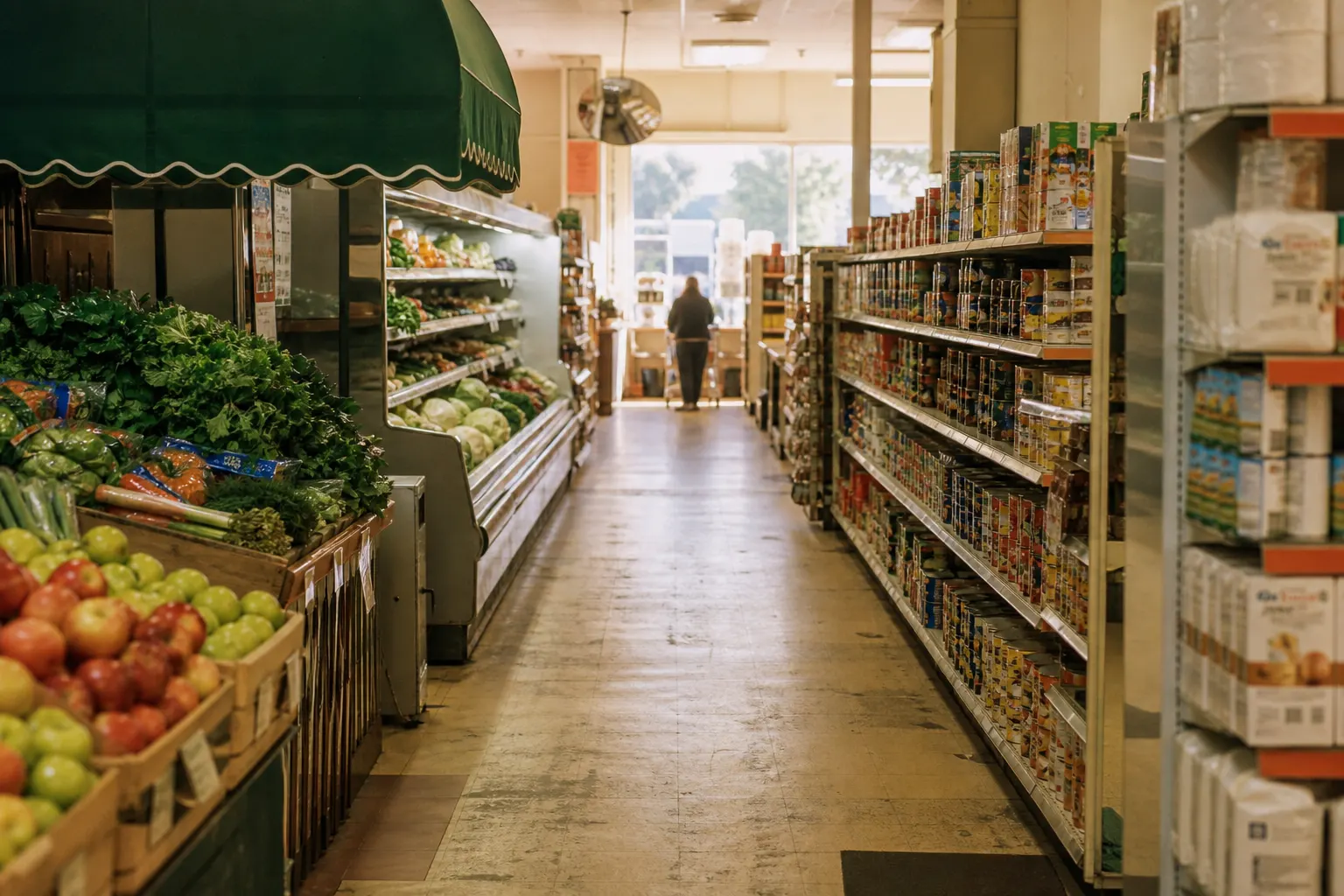
Sale-leaseback — Selling the real estate to an investor and leasing the grocery back so the operator keeps the store. The dirt becomes a real-estate close. The box becomes a leased grocery with occupancy you can underwrite. Used when the seller wants realty cash out, or when the grocery buyer cannot buy the building.
Grocery Store Business Broker — HedgeStone Business Advisors, led by Jason Taken — recasts the store on the rent that will actually be due, then lets the building trade on its own papers. Bring the deed, a draft lease, and last year’s P&L. Book a confidential intro before anyone applies a grocery multiple to owner-occupied occupancy that is about to disappear.
A grocery with real estate is two files. Operations are recast SDE or EBITDA, plus inventory at cost. The building is a cap-rate and lease story. A sale-leaseback makes that split explicit: an investor writes a check for the dirt; the grocer (seller staying on, or a new operator) signs a lease. Sale-leaseback strategy is the longer playbook. Selling with a lease versus real estate and should I sell with the building are the seller forks. Buying a store with real estate is the buyer who still wants both.
Do not run one LOI that muddles the checks. The grocery APA does not buy the parking lot. The realty contract does not buy the meat saw. Lease assignment still matters if a later grocery buyer needs the landlord-investor’s consent.
BizBuySell’s grocery sold sample — 3.38 average earnings multiple in 2025, 2.66 five-year average, interquartile range 1.60 to 3.15 — is a listing-site sample of store earnings, not a cap rate on the building. Do not use it to price the dirt.
If the seller’s LLC charged the store a courtesy rent, that number is not occupancy. A third-party triple-net lease plus CAM will. Put the new base rent, taxes, insurance, maintenance, and CAM recon into the recast before you talk price on the grocery. FMI’s 2.1 percent average net profit for food retailers in 2025 is a thin-net reminder: occupancy that looked fine as a family favor can erase the living once it is market.
DSCR is annual cash flow over annual debt service on the grocery loan. Hope is not a ratio. If the new rent leaves no coverage, the sale-leaseback did not “unlock value.” It stranded the operator. This pack does not invent a required coverage cutoff; the lender’s box does.
Write term and options a grocer can live with. A short remaining term with no options is a price cut on the store even if the investor is happy. Exclusive use and co-tenancy still belong in the lease a grocery tenant signs.
Some buyers can finance inventory and goodwill and cannot finance a parking lot. A sale-leaseback — or a seller who already sold the dirt — is how those files still close. The test is the same: rent as a percent of this store’s sales, not a slogan about “NNN grocery.” Use the rent-as-percent-of-sales checker as a conversation tool, then recast.
The investor will underwrite the tenant. A grocery with a plausible recast and a lease a bank will take is a different credit than a declining box on a hope-for-rent bump. Do not sell the investor a turnaround novel.
When the deed, the draft lease, and the recast are in one folder, Book a confidential intro. The hour is for two checks that do not pretend to be one — and for occupancy the grocery can actually carry after the investor owns the roof.
These figures are a teaching walk-through for Grocery sale-leaseback, not a quote and not a sold comp. Order of operations: weekly sales, recast SDE, inventory at cost, then a multiple band.
| Input or output | Illustrative figure |
|---|---|
| Weekly sales (illustrative) | $168,000 |
| Annual sales | $8,736,000 |
| Recast SDE | $314,496 (3.6% of sales) |
| Inventory at cost | $485,333 (~18 turns) |
| Occupancy check | $305,760 / year (3.5% of sales) |
| Low going-concern | $1,161,499 at 2.15x SDE + inventory |
| High going-concern | $1,475,995 at 3.15x SDE + inventory |
| Sketch DSCR on a note | 1.48 |
If weekly sales or shrink move 8 percent, the SDE and the note move with them. That is why Jason Taken starts with scan data and the lease, not with a neighbor's rumor multiple.
Book the intro call with your side of the table ready: seller files or buyer capital. The calendar is the only next step.
Print these, mark them up, and bring the marked copy to the intro. They are educational. They are not a valuation letter and not a listing. All downloadable guides.
Have the file ready so the hour is a recast, not a scavenger hunt. Then pick a time.
Get a specialist on the other side of the table
Grocery deals turn on licenses, inventory, and a recast a lender will believe. Book the intro and bring the file.
Book an Intro Call With Jason TakenYes, if the store used to carry cheap or related-party occupancy. Plug market rent, NNN, and CAM into the recast before you multiply. The building sale is a second check.
Often. The investor buys the dirt; the operator leases it. You still need a lease a lender will take: term, options, assignment, and rent the sales can carry.
No. Below-market rent paid to the seller’s LLC juiced earnings and reverses on day one of a third-party lease. Use the rent that will actually be due.
No. Selling both to one grocery buyer is a combined close. A sale-leaseback splits the investor and the operator. Write two sets of papers.
Start a confidential grocery conversation
Whether you are exiting or acquiring, pick a time and we will talk through the file.
Book an Intro Call With Jason TakenThis page is educational information from Grocery Store Business Broker (HedgeStone Business Advisors). It is not legal, tax, or investment advice. Licensing, tax, and financing rules vary by state and deal. Confirm every item with counsel and your lender before you sign.
Ready when you are. Jason Taken will talk through the file.
Book a confidential intro