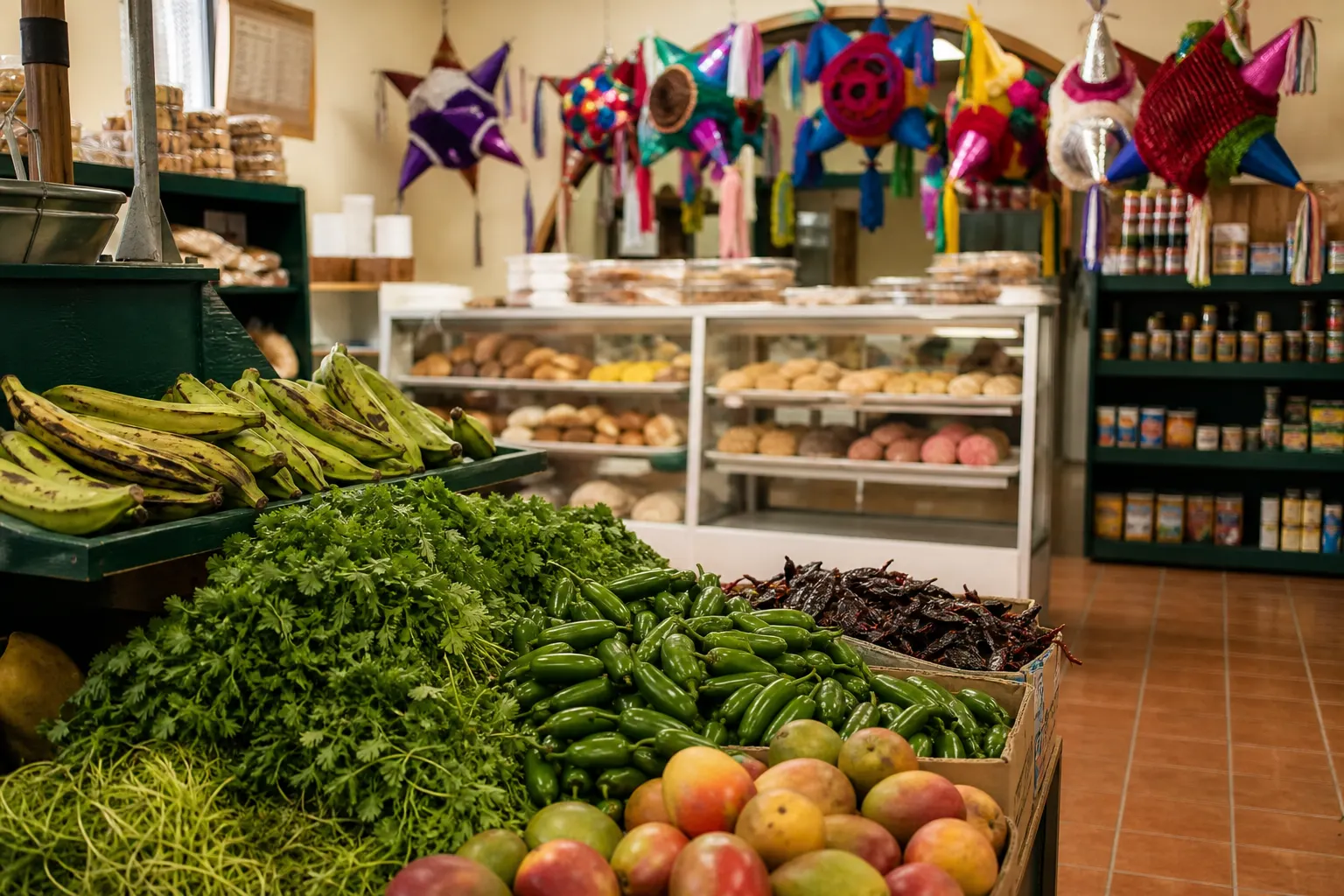
A Hispanic grocery store — mercado, carnicería-plus-aisles, panadería in the back — sells on produce shrink, meat authenticity, and Spanish at the register. It does not sell on “conventional grocery plus salsa.” The buyer who can close is underwriting department mix they can prove, SDE a lender will believe, inventory at cost with a produce-spoil rule, and an import book they can actually reorder. Grocery Store Business Broker — HedgeStone’s grocery practice, led by Jason Taken — runs that as a confidential asset sale, not a vestibule sign.
USDA FNS: SNAP authorization does not transfer; the new owner files a new application. That rule is federal. A mercado does not get a local shortcut because the shopper mix is Spanish-speaking. Download the Confidential Seller Playbook. Circle the produce invoices and the EBT tape. Missing paper is common. Hiding a cash-heavy mix the returns do not support is how the hour dies.
Produce shrink is the first conversation
Produce, meat, and imported dry grocery drive traffic. Prepared foods and a panadería can dominate labor. Economics are not a supermarket P&L with a different spice rack. Credit mix — EBT versus card versus cash — and produce shrink are the underwriting core. A storewide gross margin that looks “healthy” can hide a meat case that is giving the store away and a produce table that is compost.
FMI reports $1 trillion in 2025 supermarket sales and 45,575 U.S. supermarkets in 2024. FMI’s $668,377 average weekly sales per supermarket and $19.59 weekly sales per selling square foot in 2025 describe the Speaks supermarket channel. Your strip-center mercado is not that sample. Do not multiply channel weekly sales and call the product value. Use the valuation hub and how to value a grocery store.
Scan or wholesaler statements have to show department mix. A weekly-sales spreadsheet without produce versus meat versus dry is a rumor. EBT deposits should reconcile to the SNAP story. A gap is mix, downtime, or fiction. Read verifying sales with scan data and how to underwrite shrink. Sales-tax filings are a corroboration tool where food is taxed or partially taxed — state grocery sales tax.
Print the SDE worksheet. Mark owner pay, a documented one-time oven repair, and the personal auto. Leave recurring produce loss in the earnings. Add-backs that repeat every year are the business.
Name the box you actually own. A carnicería with a few dry aisles is a meat-and-labor file. A full mercado with a produce wall is a shrink-and-EBT file. A panadería in the back is a second shift and a second permit. Buyers who treat those three as the same “Hispanic store” will miss the recast. Write the labor hours for the baker and the cutter as continuing costs if they stay. If they leave, the SDE you just recast is a different business. Handling employees is the calendar on larger headcount. On a twelve-person mercado it is still “who opens the case on Monday.”
The tortillería truck and the meat DSD book
Specialty importers and produce houses restock the authenticity the shopper came for. A conventional wholesaler may carry center-store filler. Tortillería and meat DSD keep the perimeter alive. The buyer who cannot source that book is buying a conventional box that will empty in a month. That is the red flag. Screen it before you waste an NDA.
Do not call the produce house on day one. Sequence vendor consent after a blind teaser and a serious operator. Read wholesaler and banner agreements when you sell and is my wholesaler agreement transferable. Over-advances are debt. DSD vendors keep delivering after a sloppy close only if someone is paying them.
Working capital is the cash to buy the next produce load and the next meat drop, not a vibe. Festival weekends and payday weeks will lie if you treat them as every week. See how much working capital you need.
A CIM that names “Hispanic products” and omits the actual houses is a brochure. The CIM should list who restocks tortillas, who restocks crema, and who restocks the hanging meat — without advertising the sale to those houses until you need consent. Read how to read a CIM so you know what a serious buyer will demand.
Spanish at the register, not a translated flyer
Language on the floor is the store. Bilingual signage is not a substitute for a cashier who can take a butcher order. Buyers from outside the community systematically miss shrink and product authenticity. They will “improve” the mix, lose the regulars, and then argue that the recast was fiction. Treat seller hours on the floor as a transition close condition, not a courtesy. Write them. See transition and training and what is a fair transition period.
Confidentiality is a process. Employees learn from vendors and shoppers. Read how to sell confidentially and should I tell employees. A public listing is a last resort after you understand what it does to shrink and the landlord’s nerves.
Buying an ethnic market outside your community is the buyer-side warning. Should I buy an ethnic market is the short version. If the only offer is from a conventional operator who will not keep a Spanish-speaking manager, you do not have a buyer. You have a tourist.
EBT mix, cash, and the tax return
EBT is often the quiet sales engine. USDA FNS: SNAP authorization does not transfer. Budget the new-owner application and the downtime in cash. Read what happens to SNAP when you sell, does SNAP transfer, and EBT / SNAP diligence. SNAP retailer authorization is a new file, not a sticker you peel onto the APA.
A cash-heavy mix the tax returns do not support will not survive SBA 7(a) or a serious conventional buyer. The published 7(a) maximum is $5 million. Unreported cash is a disqualifier, not a feature. Read selling a store with unreported cash and can I sell with unreported cash. Waiting to clean the file is sometimes the only honest path to a financed buyer.
DSCR is annual cash flow over annual debt service. A lender will not underwrite folklore about “what the register really does.” See what is DSCR and SBA 7(a) for grocery acquisitions.
Beer, bakery heat, and WIC paper
Retail food plus any hot-food or bakery permit is the baseline. WIC, if present, is a vendor file — WIC vendor — not a door sticker. Alcohol, if the state or local option allows it, is a class, a quota, or a control-state product. NABCA lists 17 control states plus local-control pockets. Read state alcohol and transferring a liquor license if beer is material to the recast. Do not sell “the liquor license” as one magical asset.
Lottery contracts are often personal. Tobacco sits with tax and health agencies. Print the closing and license checklist. Write license outs into the LOI — the LOI terms that matter for sellers. The APA is where contracts, equipment, and excluded assets get scheduled. Read asset purchase agreement essentials.
Lease diligence is where civilians get surprised. Assignment, exclusive use, and co-tenancy move price. Remaining term under 24 months without options is a price cut. A lease in a corridor that is already over-stored — two newer mercados and a banner within a mile — is a red flag, not a “busy Hispanic trade area” slogan. CAM true-ups can erase a year of “extra” SDE. See CAM and exclusive use.
Tax clearance belongs in escrow. State bulk-sales notes still matter in some files. This page does not invent CBP establishment counts or SNAP retailer counts for the corridor.
A multiple is not an ethnic premium
Do not apply a higher multiple because the store is “ethnic.” There is no sourced Hispanic-market multiple in this pack. BizBuySell grocery and supermarket sold businesses: 3.38 average earnings multiple in 2025; 2.66 five-year average; IQR 1.60–3.15 for 2021–2025. A 0.43 average revenue multiple on the 2025 sold sample is a cross-check. Those figures are a national listing-site sample. Read the multiples report.
FMI’s 2.1 percent average net profit for food retailers in 2025 is a food-retailer net sample. It is not a mercado target. Recast before you argue the band. Related-party rent that juiced earnings will reverse. Owner pay and one-time legal can move SDE. Recurring shrink cannot. Read recasting a grocery P&L and preparing three years of financials.
Suppose weekly sales are $140,000. Annual sales are $7,280,000. If recast SDE is 3.6 percent of sales, SDE is $262,080. Produce-heavy inventory at cost might be $130,000 after you write off unsellable. A 1.60×–3.15× band on SDE is $419,328–$825,552. Add inventory: about $549,000–$956,000 going-concern. That is teaching math. It is not a quote. The valuation calculator lets you change the inputs.
Inventory night needs rules: what is unsellable produce, who pays the crew, how disputes resolve. Read how inventory is counted and how do I value inventory. Holdbacks exist because grocery has shrink and successor tax risk.
The operators who can fund this box
Operators already in the language and product set. Regional Hispanic banners adding a box. Family or a manager with a real note — selling to family or an employee. Conventional buyers who will fail without the community: screen them out. The buyer twin is how that side reads the same file.
The import book has a country of origin even when the fascia does not. A Mexican-majority shopper mix will not automatically accept a Central American dry set, and the reverse is also true. A Caribbean-leaning box is a different produce and meat list than a Northern Mexico carnicería. You do not need a census tract to say that. You need last year’s invoices and a buyer who already buys those SKUs. What documents you need to sell should include those invoices. How much a grocery store is worth is a short answer. This page is the long one for produce and EBT.
Compare offers on cash at close, note terms, inventory treatment, and SNAP risk — comparing offers. Seller notes often sit on standby behind SBA. Read the standby. How brokers get paid if you want the fee conversation in English.
If you own the building, recast the store on market rent, then cap the dirt. See grocery with real estate and selling with a lease versus real estate. An Asian grocery is a tank-and-importer file. An independent supermarket is a wholesaler-and-labor file. This page is produce, EBT, and Spanish on the floor.
Metro pages teach trade area, not inventory: Houston, Dallas–Fort Worth, Chicago. State seller pages start at Texas or Florida for tax and ABC detail. The seller hub is the long method. How a sale works is the sequence. How long a sale takes slips on SNAP and count night.
Common reasons deals fall apart here are a tourist buyer, a cash story the returns cannot carry, and a lease in an over-stored corridor. Surviving due diligence is produce invoices, EBT deposits, and the baker’s hours written down.
Mark the produce log and last month’s EBT deposits on the playbook. Then book a confidential intro. Bring three years if you have them. Bring last week’s sales if you do not. Bring the lease page with the exclusive-use clause circled. That is a useful hour.
An illustrative recast on Sell a Hispanic grocery store
Price language for Sell a Hispanic grocery store is (recast SDE x a defendable multiple) + inventory at cost, plus or minus lease and license risk. The table is one consistent example for this URL.
Rent at 3.3% of sales is the occupancy check. If the real lease is higher, the SDE in this table is too generous until you recast to market rent.
Bring three years of P&Ls, weekly sales, and the lease abstract to the intro call. Jason will tell you whether this band is even in the conversation.
This page is educational information from Grocery Store Business Broker (HedgeStone Business Advisors). It is not legal, tax, or investment advice. Licensing, tax, and financing rules vary by state and deal. Confirm every item with counsel and your lender before you sign.