Is this Portland, Oregon or Portland, Maine?
Oregon. The parent state is Oregon. OLCC, the Portland metro minimum-wage tier, and NABCA control-state spirits rules are Oregon facts. Do not underwrite this page as Maine.
Grocery Store Business Broker · HedgeStone Business Advisors · Jason Taken
Last updated 2026-09-04
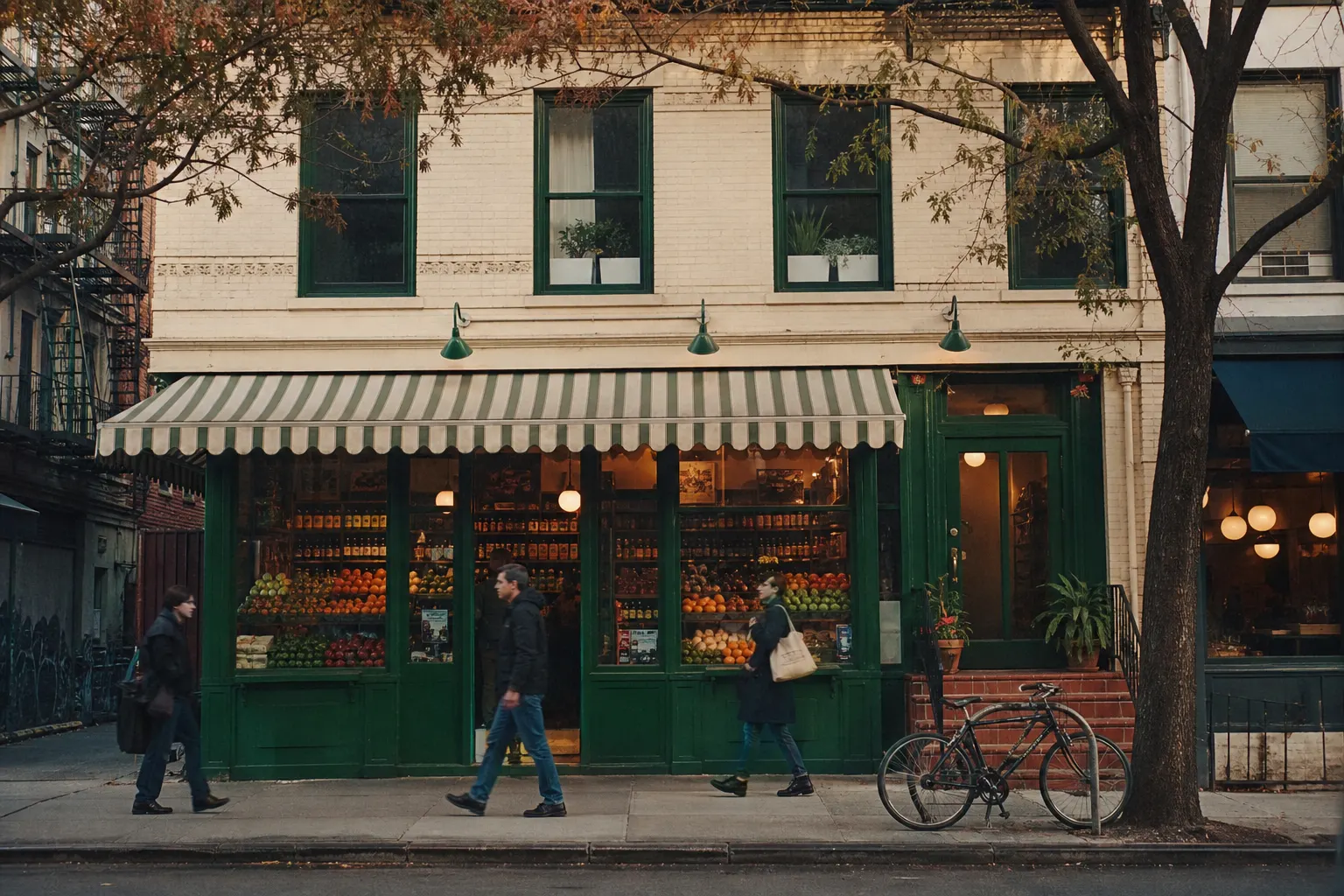
This is Portland, Oregon — not Maine, not a generic “West Coast grocery.” Oregon is a NABCA control state. NABCA lists seventeen control states; Oregon is on that list. Distilled spirits retail through OLCC-appointed liquor stores. Beer and wine commonly sit in grocery with an Oregon Liquor and Cannabis Commission off-premises license. Grocery Store Business Broker (HedgeStone Business Advisors), led by Jason Taken, will not write “liquor license” as one magical asset on an east-side CIM. Book a confidential intro with the OLCC class, the appointment contract if one exists, and fifty-two weeks of scan. Email jason.taken@hedgestone.com if you want that hour.
Statewide Oregon statute lives on the Oregon seller page and the Oregon buyer page. This essay is the metro: Fred Meyer, Safeway, New Seasons, and WinCo on the conventional and regional map; Asian and immigrant independents along 82nd Avenue and east Portland; a Portland metro minimum-wage tier of $16.80 on the DOL July 1, 2026 table; no general sales tax, still a DOR clearance file. Population, grocery density, and rent-per-foot stay unpublished because they are null in the research pack.
Open the NABCA directory before you draft a teaser. Control means the state (or a county, in some jurisdictions) is the wholesaler — and often the retailer — of distilled spirits. In Oregon, grocery beer and wine are the common off-premises story. Liquor-store appointments are limited. OLCC must approve a beer-and-wine license transfer. A liquor-store appointment is a separate contract, not a cooler you convey on the APA. State-by-state alcohol regime and control state are the vocabulary pages. Liquor versus no liquor is the wrong fork if you thought spirits were in the aisle.
A buyer who models Oregon like California off-sale general will overstate margin. A seller who capitalizes an appointed liquor store next door as grocery EBITDA is selling a story. Write the classes the way OLCC writes them.
DOL’s consolidated table (effective July 1, 2026) lists Oregon as $16.80 in the Portland metro, $15.55 standard, and $14.55 in nonurban counties. Confirm which tier the address sits in. Confirm BOLI posters. Portland also has predictive-scheduling and sick-leave rules that change how you staff a closer. A recast that only works because the owner works seventy hours at below-market pay will fail when a buyer hires to the ordinance. State-by-state minimum wage is the table. Handling employees if a contract or city rule is in the file.
Natural and specialty labor at New Seasons-competitive independents is not priced at the floor. Asian independents with a live-seafood or produce-heavy rack staff differently from a WinCo-adjacent box. Model the hours you will actually post.
The research file names 82nd Avenue and east Portland as Asian and immigrant independents. Qualitative only — no invented share of metro shoppers. Language on the floor, the importer, and whether the seller is the only person who can order are underwriting lines. Buy an Asian grocery and sell an Asian grocery are the format essays. Indian / South Asian grocery is a different book if that is actually the mix. Drive the aisle.
Fred Meyer (Kroger) and Safeway/Albertsons set conventional trip expectations. WinCo steals the warehouse-club-adjacent price trip. New Seasons is the regional natural banner. None of those is a sold listing on this page. An independent still has to explain the SKUs and hours those banners will not carry. UNFI, URM Stores, and C&S Wholesale Grocers appear on Oregon independent invoices. Wholesaler directory is useful for names. Transfer terms still come from the warehouse, not from a directory.
Federal healthy-food financing and Portland food-access programs may apply. No dollar figure is recorded. Do not write a grant into price.
Oregon does not levy a general retail sales tax on groceries. That is not a missing diligence item — it is a POS fact. You still confirm Oregon DOR business-tax and transit-tax clearance on the entity or asset sale. UCC Article 6 bulk-transfer statutes have been repealed in most states; Oregon may still impose successor practices even without a sales-tax engine. Confirm current DOR notice and any escrow holdback with counsel. State-by-state bulk sales and taxes on selling a grocery store are the closing-tax pages.
Oregon Health Authority and county health departments issue retail food permits. Pull the county file. Oregon Health Authority runs WIC. Oregon Lottery is a separate retailer contract. Tobacco sits with Oregon Department of Revenue and OLCC as applicable. Walk WIC, lottery, and tobacco. USDA FNS SNAP retailer authorization is federal and owner-specific. The purchaser files new. The seller’s EBT record does not convey. What happens to SNAP when you sell is the rule. Budget downtime.
This pack has no Portland grocery rent table. Occupancy is rent and NNN as a share of sales. Lease versus own if the building is in play. Recast the store on market rent first. Landlord consent belongs in the LOI. Can I sell if my lease is ending is a remaining-term question.
BizBuySell’s grocery and supermarket sold sample remains the sourced national band: 3.38 average earnings multiple in 2025, 2.66 five-year average, IQR 1.60–3.15, 0.43 average revenue multiple on the 2025 sold set. Apply it to recast SDE after you put Portland-tier labor back in, then add inventory at cost. A missing OLCC transfer or a seventy-hour owner moves you inside the IQR. This page will not invent a worked dollar band. Grocery store multiples report and SDE versus EBITDA valuation are the method.
SBA 7(a) can finance a change of ownership up to the published $5 million maximum. Do I need grocery experience is an honest first-time question in a metro where New Seasons and Asian independents both punish amateurs. Buying versus starting if you are still deciding.
Portland’s labor overlay is not “Oregon is expensive” as a vibe. Predictive-scheduling and sick-leave rules change how you write a schedule for a grocery closer. A recast that assumes you can cut hours the week after closing without reading the ordinance is a lawsuit plan. Put the schedule you will actually post into the model. Handling employees, union contracts, and WARN if a contract or city rule is in the file. New Seasons-competitive labor is not interchangeable with an 82nd Avenue produce crew. They are different skills and different hours.
Receiving on 82nd is a truck-and-importer problem. Ask whether the produce house and the specialty importer will open a new account on day one. A conventional UNFI drop does not replace a live-seafood or specialty-rice importer. DSD if direct-store-delivery is the actual meat or bakery story. Buying and converting if someone thinks they will reset an Asian independent into a New Seasons clone. That is usually a shrink plan.
Oregon Lottery and WIC are separate files from OLCC beer and wine. Do not bundle them into “licenses” as one line on the CIM. What licenses do I need under new ownership is the stack.
The OLCC off-premises class. Whether a liquor-store appointment exists — and that it is a separate contract. The wage-tier address (metro $16.80 versus a suburb that might sit in another tier). County health permit. Warehouse drop terms. Whether the seller is the only person who can order in the language the regulars speak. Weekly scan that does not annualize a festival week as if it were February. Preparing three years of financials is how you survive a credit memo. Working with attorneys and CPAs is how you keep OLCC and DOR from becoming a surprise.
If the seller also owns the building, recast the grocery on market rent, then talk realty. Portland occupancy is still a ratio from the lease. This pack has no rent-per-foot. Sale-leaseback if that is the structure. Can I convert a store to a new banner if someone wants to slap a conventional name on an 82nd Avenue book. Usually they cannot keep the shopper.
The state file names Portland suburbs and Beaverton as conventional plus Asian independents. That is a different receiving dock and a different shopper from 82nd Avenue. If the store is Beaverton, say Beaverton. Do not paste an east-side import multiple onto a suburban Safeway neighbor. Eugene, Salem, Bend, and Medford are other Oregon files. This page is Portland metro.
WinCo’s labor model is not your independent’s labor model. Employee-ownership folklore does not recast your payroll. Model the hours you will post at the Portland metro $16.80 tier (or the correct tier if the address sits outside it). Labor is the table. Predictive scheduling is the city overlay.
URM Stores show up on some Oregon invoices alongside UNFI and C&S. Ask which warehouse will actually open the new owner. A CIM that names UNFI and hides a specialty importer is incomplete for an 82nd Avenue box.
SBA 7(a) can finance a change of ownership up to the published $5 million maximum. OLCC transfer and county health belong on the calendar. No sales tax does not mean no DOR file. Tax clearance still applies to business taxes. How much is a grocery store worth still starts from recast SDE, not from a Portland rumor.
A natural-food buyer who wants to “clean up” an immigrant independent will lose the shopper. Natural organic if you actually own that format. Asian grocery if you own the other. They are not a conversion weekend.
QFC is a Kroger sibling banner on the statewide Oregon chain list; Fred Meyer is the one that actually maps most Portland trips. Do not recast an east-side independent as a QFC clone. Cannabis sits at OLCC as well as liquor — grocery is still beer, wine, and food. Do not mix a cannabis license into a grocery CIM unless the store actually holds that appointment.
Multnomah, Washington, and Clackamas county health files are not interchangeable even when the metro nickname is Portland. Pull the permit for the address. A Beaverton box is not an east-Portland county file. Oregon Health Authority rules still sit on top of the county desk.
Keep the rumor off 82nd. Non-competes and confidentiality belong in the APA, not in a vestibule sign. OLCC beer-and-wine paper is not an OLCC liquor-store appointment; write the class you actually hold. Book a confidential intro with the OLCC paper, the wage-tier address, and the warehouse letter. The seller hub and buyer hub are national. This page is the Portland, Oregon file. OLCC beer-and-wine paper and the county health permit should sit in the same folder as the warehouse letter before anyone tours.
Use this napkin recast on Grocery stores for sale in Portland when you book the call. It is labeled illustrative. BizBuySell's 2025 grocery sold-business earnings multiple averaged 3.38, with a 2021-2025 IQR of 1.60-3.15. Metro pages talk corridors and operators. They do not invent asking rents or establishment counts.
| Input or output | Illustrative figure |
|---|---|
| Weekly sales (illustrative) | $78,000 |
| Annual sales | $4,056,000 |
| Recast SDE | $190,632 (4.7% of sales) |
| Inventory at cost | $338,000 (~12 turns) |
| Occupancy check | $121,680 / year (3.0% of sales) |
| Low going-concern | $747,859 at 2.15x SDE + inventory |
| High going-concern | $881,301 at 2.85x SDE + inventory |
| Sketch DSCR on a note | 1.40 |
If weekly sales or shrink move 8 percent, the SDE and the note move with them. That is why Jason Taken starts with scan data and the lease, not with a neighbor's rumor multiple.
Book the intro call with your side of the table ready: seller files or buyer capital. The calendar is the only next step.
Print these, mark them up, and bring the marked copy to the intro. They are educational. They are not a valuation letter and not a listing. All downloadable guides.
Have the file ready so the hour is a recast, not a scavenger hunt. Then pick a time.
Get a specialist on the other side of the table
Grocery deals turn on licenses, inventory, and a recast a lender will believe. Book the intro and bring the file.
Book an Intro Call With Jason TakenOregon. The parent state is Oregon. OLCC, the Portland metro minimum-wage tier, and NABCA control-state spirits rules are Oregon facts. Do not underwrite this page as Maine.
Typically no. Oregon is a NABCA control state. Spirits retail through OLCC-appointed liquor stores, not typical grocery aisles. Beer and wine are common in grocery with an OLCC off-premises license. A liquor-store appointment is a separate contract.
The DOL July 1, 2026 consolidated table lists Oregon in three tiers: Portland metro $16.80, standard $15.55, nonurban counties $14.55. Confirm BOLI posters and whether the address sits in the Portland metro tier. Portland also has predictive-scheduling and sick-leave rules to confirm.
Oregon does not levy a general retail sales tax, including on groceries. You still confirm DOR business-tax and transit-tax clearance on the entity or asset sale. No sales tax is not ‘no tax file.’
As Asian and immigrant independents with an import book and language on the floor, not as a natural-food banner clone. New Seasons is regional competitive context. Price the independent on recast earnings, remaining lease, and whether the warehouse will open a new account.
Start a confidential grocery conversation
Whether you are exiting or acquiring, pick a time and we will talk through the file.
Book an Intro Call With Jason TakenThis page is educational information from Grocery Store Business Broker (HedgeStone Business Advisors). It is not legal, tax, or investment advice. Licensing, tax, and financing rules vary by state and deal. Confirm every item with counsel and your lender before you sign.
Ready when you are. Jason Taken will talk through the file.
Book a confidential intro