Can a buyer keep ringing EBT on the seller’s FNS number after Monday?
No. USDA FNS ties the authorization to the seller. After ownership changes, that permit is not the buyer’s. The new owner files a new application and plans for a gap.
Grocery Store Business Broker · HedgeStone Business Advisors · Jason Taken
Last updated 2026-09-04
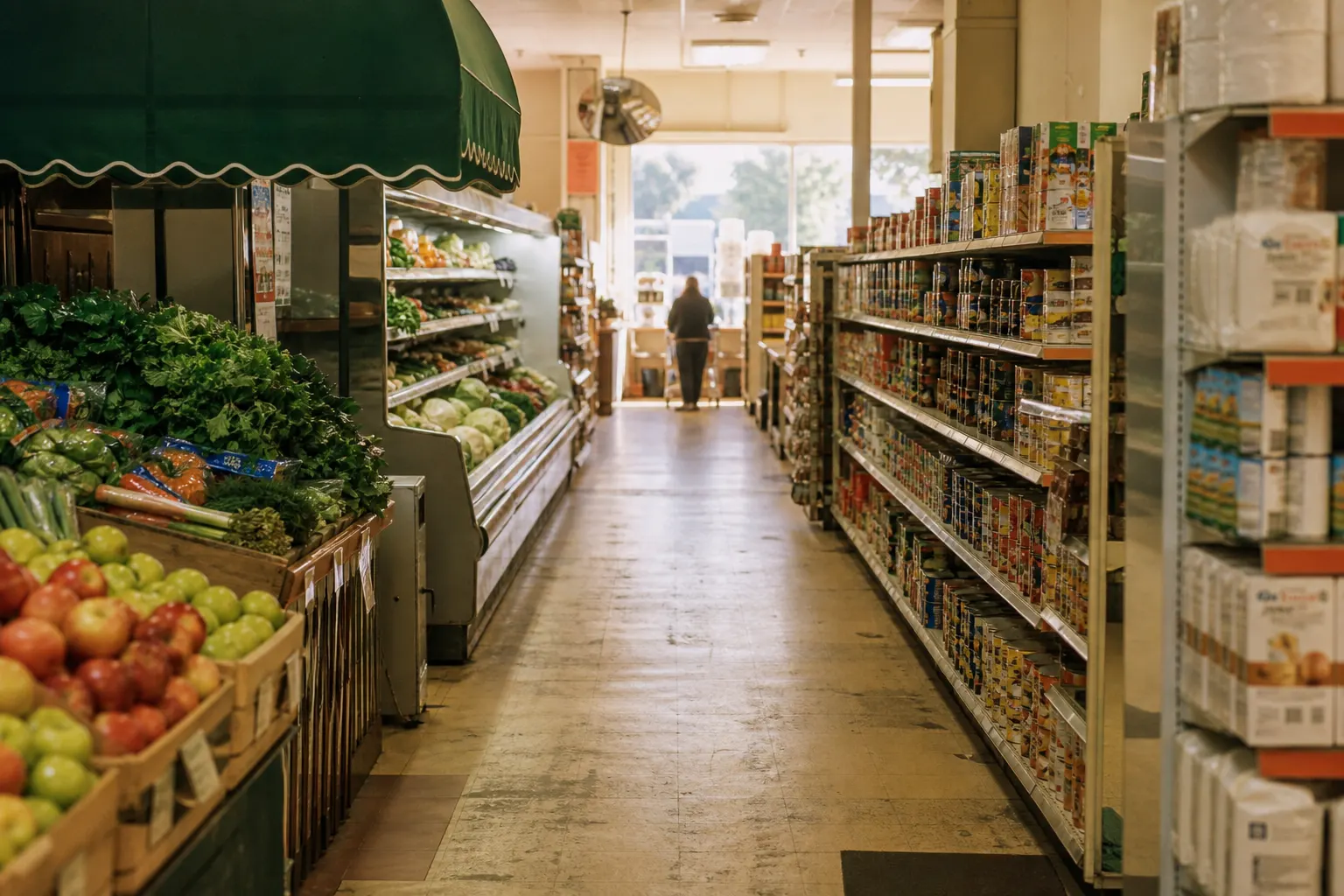
SNAP retailer authorization — USDA Food and Nutrition Service permission for a named owner at a named location to accept SNAP. USDA FNS is explicit: the authorization does not transfer when the store sells. The buyer files a new retailer application and cannot accept SNAP on the seller’s permit after ownership changes.
Pull last month’s EBT settlements and set them next to the P&L. Grocery Store Business Broker — HedgeStone Business Advisors, led by Jason Taken — treats the FNS number as a cash-flow clock, not a sticker that rides with the fixtures. Book a confidential intro when you have a draft filing timeline and an honest guess at the weeks without EBT.
A change of ownership is a new store for the program. The seller’s permit ends when the seller stops owning that location. A buyer who rings EBT on the old number after Monday is not “using the store’s SNAP.” They are using someone else’s authorization.
The application is the buyer’s. FNS asks who owns the entity, who will run the box, and whether that person has a disqualification history. A stock sale does not skip the question — FNS still wants a new application when ownership of the authorized firm changes. An asset sale never keeps the number. Write the rule into the CIM so a first-time buyer does not treat SNAP like a liquor sticker that might move with a quota.
The short Q&A is does SNAP authorization transfer. The filing walk-through is how to apply for SNAP as a new owner. The longer method is what happens to SNAP authorization when you sell.
A neighborhood store that is SNAP-heavy can lose a large slice of tender the day the seller’s permit ends. That hole is not an add-back. It is working capital you must still have for the produce truck, for payroll, and for the shoppers who will pay cash or walk. Do not invent a week count here. Some files move quickly; some sit while FNS asks for more documents.
The diligence move is to match EBT deposits to the SNAP story on the P&L and ask what share of baskets would leave if the card reader said declined. EBT and SNAP due diligence is how you test the deposits. A gap that cannot be explained is mix, downtime, or fiction — not a rounding error.
WIC is a separate state vendor file. Lottery is often personal. Alcohol is a class, a quota, or a control-state product. Each clock is its own line. SNAP is the federal one that buyers forget until week six.
Condition close on a filed application, not on a hoped-for approval date you cannot control. Tell the landlord the same story you tell the lender: the store will operate, and EBT may pause. A lease assignment that assumes uninterrupted SNAP volume is a fiction. Put the gap next to DSCR so coverage is tested on cash a buyer will actually see.
If you have a file, bring EBT settlements, the current FNS authorization, and the ownership calendar. Book the SNAP conversation. The hour is for the gap and the filing, not for a rumor that the permit just moves.
Price language for SNAP authorization does not transfer is (recast SDE x a defendable multiple) + inventory at cost, plus or minus lease and license risk. The table is one consistent example for this URL.
| Input or output | Illustrative figure |
|---|---|
| Weekly sales (illustrative) | $124,000 |
| Annual sales | $6,448,000 |
| Recast SDE | $335,296 (5.2% of sales) |
| Inventory at cost | $403,000 (~16 turns) |
| Occupancy check | $161,200 / year (2.5% of sales) |
| Low going-concern | $1,023,298 at 1.85x SDE + inventory |
| High going-concern | $1,408,888 at 3.00x SDE + inventory |
| Sketch DSCR on a note | 1.48 |
Inventory is cash at close, not a multiple. Confusing the two is how sellers over-ask and buyers under-cash the wire.
Book the intro call with your side of the table ready: seller files or buyer capital. The calendar is the only next step.
Print these, mark them up, and bring the marked copy to the intro. They are educational. They are not a valuation letter and not a listing. All downloadable guides.
Have the file ready so the hour is a recast, not a scavenger hunt. Then pick a time.
Get a specialist on the other side of the table
Grocery deals turn on licenses, inventory, and a recast a lender will believe. Book the intro and bring the file.
Book an Intro Call With Jason TakenNo. USDA FNS ties the authorization to the seller. After ownership changes, that permit is not the buyer’s. The new owner files a new application and plans for a gap.
Do not assume it. FNS still treats a change in who owns the authorized firm as a new application. Read the ownership calendar with counsel before you price uninterrupted EBT.
EBT settlement reports, the current FNS authorization, a draft application timeline, and an honest share of baskets that would walk if the card declined. Then book a confidential intro.
No. WIC is a state vendor file. SNAP is federal FNS. A store can be live on one and dark on the other. Underwrite both clocks.
Start a confidential grocery conversation
Whether you are exiting or acquiring, pick a time and we will talk through the file.
Book an Intro Call With Jason TakenThis page is educational information from Grocery Store Business Broker (HedgeStone Business Advisors). It is not legal, tax, or investment advice. Licensing, tax, and financing rules vary by state and deal. Confirm every item with counsel and your lender before you sign.
Ready when you are. Jason Taken will talk through the file.
Book a confidential intro