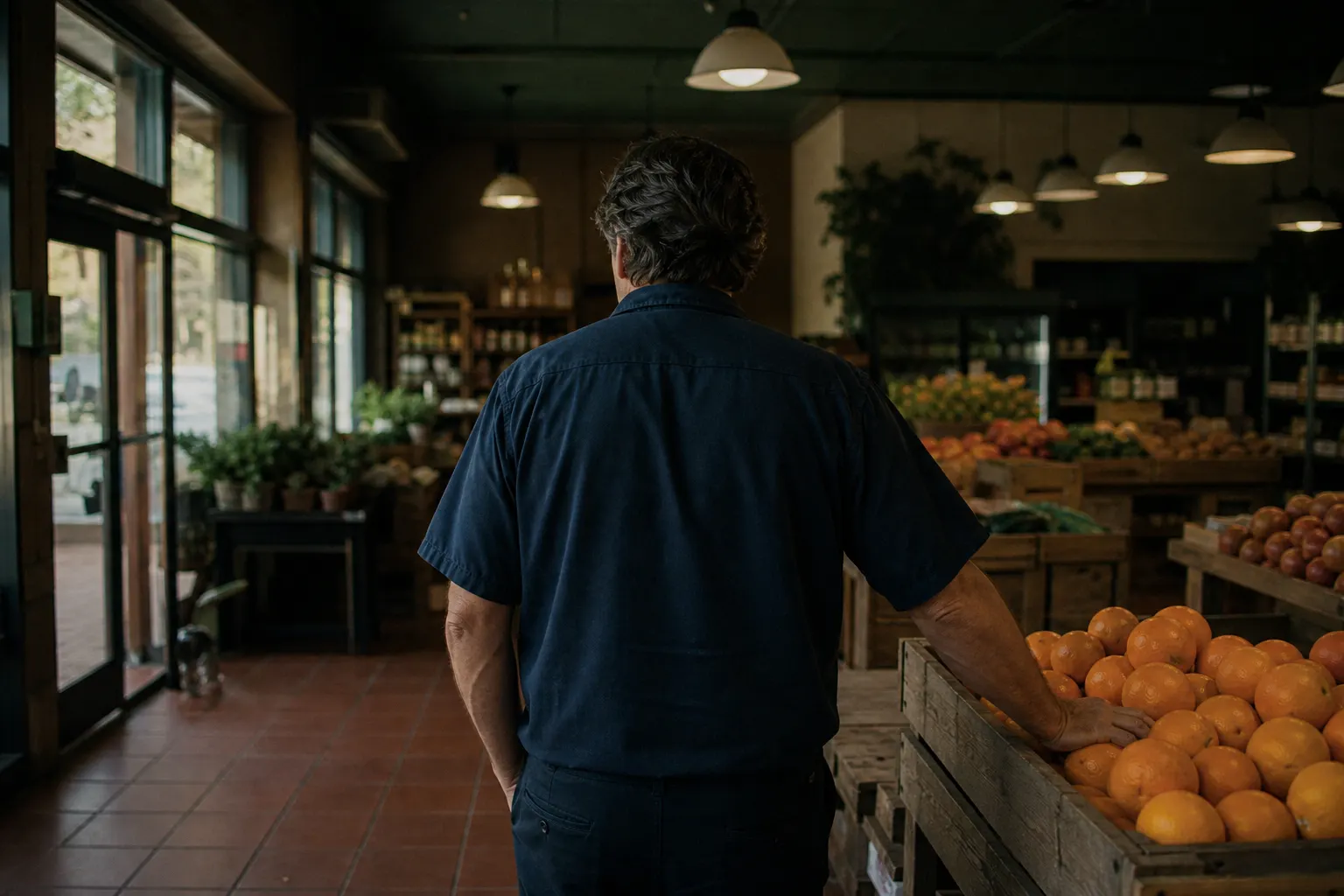
Payroll is the first Washington surprise for out-of-state buyers. WHD’s July 1, 2026 table lists the state at $17.13, and Seattle plus some cities set higher floors—so a Rainier Valley recast and a Spokane URM week do not share one labor line even before you cross the Cascades. Spirits retail was privatized; grocery spirits generally hinge on Washington State Liquor and Cannabis Board premises-size rules often cited near 10,000 square feet. County Business Patterns 2023 counts 1,587 NAICS 445110 establishments. Vintage 2024 population is 7,958,180 (July 1, 2024). SDE at city wages is what closes. A model that ignores either the Cascades freight split or the city wage floor invents earnings before diligence starts.
Book a confidential intro with Grocery Store Business Broker — HedgeStone Business Advisors, led by Jason Taken — to sequence LCB, the county health district, and DOR before a buyer prices the wrong decade. Email jason.taken@hedgestone.com. Buyers mapping the state should read buy a grocery store in Washington.
City wage floors before statewide slogans
Recast at the city that holds the store. Confirm posters. A Seattle crew already above $17.13 stays at actual wages—do not paste a Spokane payroll onto King County. State minimum wage is the comparison table. Eligible food and food ingredients are generally retail-sales-tax exempt; prepared food is taxable—confirm DOR’s food guide for hot bars and fountain. B&O is counsel’s conversation; this page invents no B&O rate (grocery sales tax). Fountain and hot-bar rings that stay in the exempt food bucket invent remittance when diligence pulls the tape.
Asset sales still need DOR clearance and successor diligence (bulk sales). If dirt conveys, use a Washington real-estate licensee. Jason Taken and HedgeStone are not listing a Washington brokerage license.
Privatized spirits—not a control leftover
Washington is a license state on this pack. Beer and wine in grocery are common. Grocery spirits generally require LCB premises-size and license rules—often cited as 10,000 square feet with exceptions. Verify LCB for this address. Local objections can still matter. Privileges are not automatic with an asset purchase. A CIM that prices “spirits like a control state” is a decade late. Measure the selling floor before anyone parks whiskey cash flow in store SDE. Liquor diligence and state alcohol regime belong in the LOI.
Retail food sits with Washington State Department of Health and county health districts—King is not Pierce and not Spokane County. Incoming operators file new. WIC sits with DOH — WIC. Lottery and tobacco are separate counters. After NDA, name the health district.
West side versus Inland Northwest
Seattle International District / Rainier Valley holds Asian and East African independents—format essays sell an Asian grocery and sell a Caribbean / African market. Bellevue / Eastside is high occupancy and Asian specialty. Tacoma / Pierce is neighborhood and military-adjacent. Spokane / Inland Northwest is URM territory east of the Cascades—freight and wholesaler books differ from King County. Metro notes: Seattle grocery. Asking rents stay null here.
QFC / Fred Meyer (Kroger), Safeway / Albertsons, WinCo, and PCC Community Markets are competitive weather, not listings. A PCC co-op multiple does not price a Tacoma neighborhood week. UNFI, C&S, and Associated Food Stores / URM names appear by side of the mountains—consent clocks belong in the CIM (wholesaler agreements).
Seattle ID and Rainier Valley independents fight QFC, Safeway, and WinCo on import depth and language until a buyer who cannot restock those houses takes the keys. Eastside specialty weeks can look strong beside high occupancy until payroll at city wages above $17.13 eats the model. Tacoma military-adjacent trade can look thin beside banners until you underwrite hours and language mix. Spokane URM weather is not a King County underwrite—freight, wholesaler books, and wage stories differ east of the Cascades. Buying an ethnic market outside your community applies when Asian or East African mix meets a buyer who does not already shop that aisle.
Working capital at Pacific Northwest wages has to cover SNAP lag, LCB calendars, health-district lag, and a Monday drop—working capital and cash to close. Asset purchase essentials and taxes on selling keep allocation with the CPA. A post-closing 90-day plan matters when EBT is down and city wages still run. Co-tenancy beside QFC or Safeway belongs in the LOI early—CAM and exclusive use surprise civilians. Premises under ~10,000 square feet may fail grocery-spirits rules even after privatization; measure the box before the CIM prices whiskey.
Quiet teasers across mountain gossip
Cascades markets still talk. Counsel and CPA first. Blind teasers name a Washington region, format, and inventory at cost—not the only East African independent on that Rainier stretch. After NDA deliver departmental sales, lease abstract, LCB class and premises-size status, and prepared-food remittance. Recast and sell confidentially before the produce crew hears.
Clean owner pay and personal items. Move related-party rent to market when needed. Reject inventory add-backs. Support weeks with three years of financials and scan verification. Count at cost (closing inventory). Hold back unsellable. Treat over-advances as debt.
SNAP does not transfer. Write the new FNS filing into the LOI and capitalize EBT lag at $17.13-plus labor. SNAP retailer counts are null (SNAP on sale). Premises under ~10,000 square feet may not carry grocery spirits even after privatization—verify before the CIM prices a spirits aisle.
People carry Cascades independents at wages that break thin models. An East African produce lead in Rainier Valley, an Asian specialty buyer on the Eastside, or a Spokane opener who knows the URM clock is often the asset. Write training hours that protect that mix. Seller financing can bridge LCB lag—seller financing. Competition analysis names trips QFC, Fred Meyer, Safeway, WinCo, and PCC still leave. Related-party rent must move to market when needed. Reject inventory add-backs. Over-advances on UNFI, C&S, or URM/AFS travel with the file.
Seattle city floors above the statewide $17.13 rewrite payroll overnight if a CIM uses the state slogan only. Tacoma military-adjacent weeks need a full year of scan. Spokane freight notes belong beside departmental sales so a King County buyer does not invent daily west-side delivery. B&O conversations with counsel belong beside prepared-food remittance—not as an invented rate on this page. Lottery and tobacco are separate counters. Local objections to LCB privileges can still matter after privatization; do not treat approval as automatic with the asset purchase.
West-side co-ops and warehouse banners set different competitive weather than Inland Northwest URM territory. A PCC story does not price Spokane. A WinCo labor match at Seattle wages donates margin. Measure premises size for spirits before anyone debates a multiple that assumes whiskey cash flow. Put the NDA in front of scan before Cascades gossip names the only Rainier Valley independent on that stretch.
Occupancy at Pacific Northwest wages
Base, CAM, tax, insurance over sales from this lease—no invented Seattle or Bellevue rent per square foot. Listing-site multiples are method context, not a Washington sold-comp. Argue from recast earnings via the valuation hub and how to value a grocery store.
Lease diligence covers assignment and co-tenancy. Owned dirt is separate (lease vs real estate). SBA 7(a) can finance up to the published $5 million maximum when city wages still leave debt service. Lenders want LCB path, SNAP, and lease term. East African or Asian produce crews that are the recast belong in transition hours.
LCB, health district, SNAP clocks
Date LCB approval, county health-district transfer, SNAP filing, DOR clearance, and landlord consent—seller LOI priorities. Use staff and WARN notes when those rules apply. Name who opens if that crew is the asset.
Seattle International District teasers should stay regional enough that they do not name the only Asian specialty independent on that stretch. Rainier Valley East African mixes need buyers who already understand the vendor list—format essay sell a Caribbean / African market still applies. Eastside specialty files should show city wage floors above $17.13 in the first labor paragraph. Tacoma teasers should separate military-adjacent volume from King County occupancy assumptions. Spokane teasers should name URM / AFS weather and Cascades freight honestly. Measure square footage for spirits before the CIM assumes privatized whiskey cash flow. Closing inventory counts at cost. Prepared-food remittance and B&O counsel notes belong in the same data room as the LCB letter. A buyer who models Washington like Oregon or Idaho invents both wage and spirits stories—correct both before LOI.
High Pacific Northwest wages change SBA debt capacity. A week that looked financeable at federal minimum may not carry a note at Seattle floors even when the published 7(a) maximum is $5 million. Shoulder the labor line first, then debate the multiple. Lottery and tobacco re-paper separately from LCB. Local objections can delay spirits privileges after privatization—capitalize the calendar.
What Cascades diligence fights look like
After NDA, buyers who still model Washington as a control state invent spirits cash flow. Show LCB premises size. Show prepared-food remittance. Show the city wage floor that actually applies—Seattle is not Spokane. Tour QFC, Fred Meyer, Safeway, WinCo, and PCC, then price this independent. West-of-Cascades and Inland Northwest refuse one underwrite. LCB and county health are dated steps, not the same desk. Inventory still counts at cost. Name who opens after a city wage change if that crew is the recast.
Listing-site multiples are method context—not a Washington sold-comp and not a PCC template. High wages can break debt stories that looked fine in a $7.25 state. See how to value a grocery, the multiples report, and the valuation calculator. Timeline to sell should freeze LCB, health district, FNS, DOR, and landlord. Why deals fall apart and surviving due diligence are the failure and seller companions. Sell an independent supermarket fits conventional boxes; keep transferring your liquor license beside LCB size rules. WIC, lottery, tobacco covers other counters. Quiet outreach usually starts with operators who already know Rainier Valley, Eastside, Tacoma, or Spokane URM—not with a public listing that tells the produce crew you are leaving. Put the NDA in front of scan data. A produce lead who stays ninety days is often worth more than a wide non-compete at $17.13-plus wages.
Buyers on a Washington search should keep those files separate. This site does not publish live Washington inventory. Confirm LCB and the health district on the same address before naming a closing Tuesday. Demand a full year of scan and EBT settlement at Pacific Northwest wages. A Rainier Valley week is not a Spokane week. An Eastside specialty week is not a Tacoma military-adjacent week.
Bring three years of P&Ls, the lease, the last health inspection, and the LCB file. Grocery Store Business Broker will not invent density, rents, or SNAP-retailer counts. We recast the store you run and map LCB, health district, SNAP, city wages, and occupancy. Book a confidential intro. Email jason.taken@hedgestone.com. About Jason Taken is the desk. Lead with the wage-true recast—not a Cascades rumor.
Worked math for Sell the Washington independent the Cascades split
These figures are a teaching walk-through for Sell the Washington independent the Cascades split, not a quote and not a sold comp. Order of operations: weekly sales, recast SDE, inventory at cost, then a multiple band. State pages add the tax, wage, and alcohol-agency facts for this jurisdiction. They do not invent a local sold-comp set.
Inventory is cash at close, not a multiple. Confusing the two is how sellers over-ask and buyers under-cash the wire.
Bring three years of P&Ls, weekly sales, and the lease abstract to the intro call. Jason will tell you whether this band is even in the conversation.
This page is educational information from Grocery Store Business Broker (HedgeStone Business Advisors). It is not legal, tax, or investment advice. Licensing, tax, and financing rules vary by state and deal. Confirm every item with counsel and your lender before you sign.