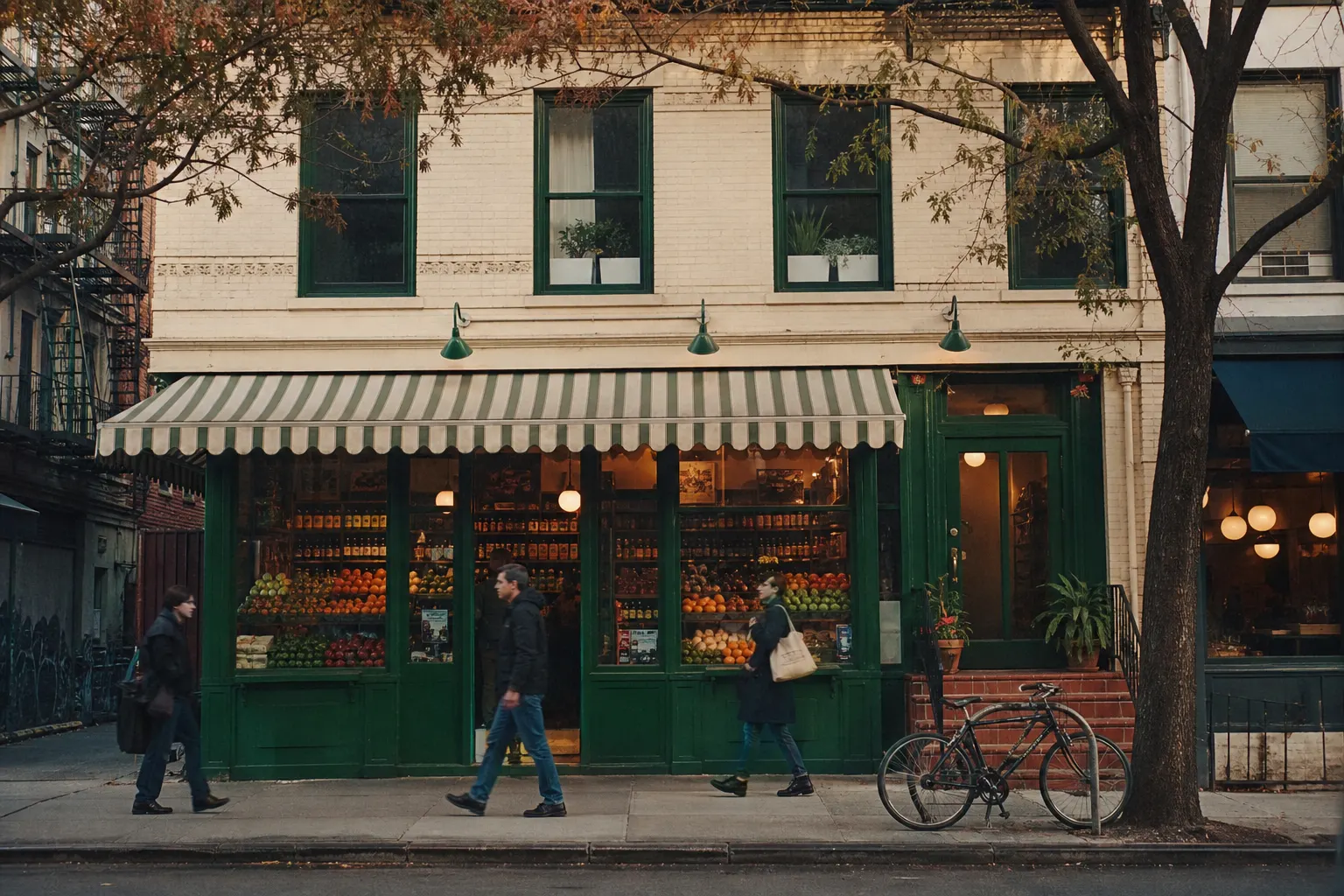
Name the county before you name the wine cooler. A Davidson address and a Williamson address can share a Nashville teaser and still sit under different beer boards and different wine-in-grocery opt-ins. Grocery Store Business Broker — HedgeStone Business Advisors, led by Jason Taken — underwrites that split as the first diligence filter, then packages the quiet sale. Book a confidential intro when the beer-board street and three years of P&Ls are ready to recast. Email jason.taken@hedgestone.com to put the hour on a calendar.
Statewide Tennessee maps live on sell a grocery store in Tennessee and buy a grocery store in Tennessee. This essay stays inside the metro map: Davidson versus surrounding counties, Kroger–Publix–Aldi trip theft, Antioch and south Nashville immigrant books, and the 4 percent food rate plus local add-on on the ticket you actually ring.
Davidson’s opt-in is not a metro-wide privilege
Tennessee Alcoholic Beverage Commission wine-in-grocery privileges travel only where the jurisdiction opted in. Beer is a local board license. Spirits stay out of the grocery aisle on the regime list this research pack uses. Package stores are a separate class with their own quota questions — confirm ABC before you fold package economics into store SDE.
Write the county on page one of the CIM after NDA. Franklin, Murfreesboro, and Hendersonville are not Davidson files. Ask for the ordinance or ABC confirmation that this county opted in, and for the next beer-board hearing that will sit the incoming owner. A board that meets monthly is working capital, not décor. Put that hearing next to landlord consent on the same workplan. State-by-state alcohol regime and liquor license due diligence are the worksheets. The liquor versus no-liquor essay is the format fork.
ABC approval and the local beer board are two desks. Neither rides automatically on an asset sale. A CIM that says “Nashville metro, full wine” without naming the opt-in is incomplete. Surrounding-county boards do not borrow Davidson’s calendar.
Antioch, south Nashville, and two import books
Antioch and south Nashville hold Latino, Kurdish, and other immigrant independents. Keep that corridor note qualitative — no invented population share, store count, or density figure. Drive the aisle. Ask which language the regulars speak. Ask which produce house, bakery, and importer will open a new account for a buyer who does not already shop that stretch.
A Latino carnecería and a Kurdish or halal independent can share south Nashville and not share a meat program. Recast each book on its own labor and shrink. If the seller is the only closer who can order, write Tuesday hours into the LOI — transition and training periods. Buying an ethnic market outside your community is the tourist warning. Format essays: Hispanic / Latino grocery and middle-eastern / halal market. The ethnic versus conventional fork keeps the multiple honest.
Pull department grosses. Produce and meat can sink a storewide gross margin that looks fine on a blended P&L. Shrink, margin, and turns and verifying sales with scan data tie the week to EBT deposits. Reject repeating inventory adjustments as add-backs. Anatomy of a grocery P&L shows whether the rails carry the store.
Banner weather without banner math
Kroger, Publix, and Aldi steal trips in this metro. They do not set a sold-comp. An independent still has to name the hours, the meat case, or the import book those banners will not copy. Pricing “a little under Publix” sells fear. Treating a Kroger remodel as a transaction sample sells a rumor. Food City appears on the statewide chain list as an East Tennessee set — this page will not invent a Nashville Food City map.
Associated Wholesale Grocers, C&S, and UNFI supply many Tennessee independents. Confirm drop minimums, over-advances, and whether the incoming owner gets an account. Wholesaler and banner agreements when you sell is a close item. Keep independent versus banner honest: your fascia is one contract inside a national channel, not a national average week.
Recast earnings before anyone argues a multiple
Sellers who lead with weekly rings meet buyers who ask for SDE. Restore owner pay. Keep one-time repairs only with invoices. Pull personal spend. If you own the building and charge yourself a token rent, put third-party rent on the store and price the dirt separately — selling with a lease versus real estate. Family unpaid hours are not an add-back when a buyer has to hire them. Recasting a grocery P&L and preparing three years of financials are the homework.
Quiet packaging means counsel and a CPA first, then a blind teaser that names a county and a format — not the only Antioch independent facing a new Publix. Funded operators see the CIM after NDA. Managers hear when the beer board, the assignment, or transition hours need them. A vestibule sign teaches vendors first. How to sell a grocery store confidentially is the longer sequence.
Tennessee state sales tax on food and food ingredients is 4 percent plus applicable local tax (Tennessee DOR SUT-53). Candy, dietary supplements, and prepared food sit outside the reduced food rate. Confirm the city and county add-on for the address you are buying. A hot bar moves the tax mix more than the circular. State-by-state grocery sales tax is the map. Sales-tax filings should corroborate the week.
Tennessee has no state minimum above the federal $7.25 on the July 1, 2026 WHD table. Confirm Tennessee DOL posters. If related-party hours disappear at close, rebuild wage in the recast and stress the note with the DSCR calculator.
Ask Tennessee DOR counsel whether tax clearance, a bulk-sale notice, or successor-liability holdback belongs in escrow on this asset sale. Repeal of UCC Article 6 in other states does not answer the DOR question for you. State-by-state bulk sales and tax clearance is the longer note.
Agriculture, health, and the lease clock
Retail food sits with the Tennessee Department of Agriculture and local health desks. Confirm which stamp is on this address. A prepared-food program can pull a health calendar the CIM never mentioned. Put that calendar next to the beer board. A current wine privilege next to an expired beer permit is two problems, not one slogan.
Ask for the last inspection, any pending violations, and whether the incoming owner must sit a new plan review. Red flags that should kill a grocery deal includes a health file the seller will not open. Common reasons grocery sales fall apart includes a beer board that will not calendar the transfer before the inventory count.
Lease due diligence is assignment, remaining term, options, and whether the landlord can recast rent as the price of consent. This research pack left Nashville asking rent null — do not invent a dollar-per-foot. Occupancy is base, CAM, tax, and insurance divided by this store’s sales from the lease and the P&L. Use the rent checker. If the seller owns the box, recast store earnings on market rent and price real estate as a second asset — buying a store with real estate.
Inventory is counted at cost at close, usually as a separate line. How inventory is counted at closing is the night procedure. Department the room. Hold back unsellable. A wholesaler over-advance is debt.
FNS restart, lottery, WIC, and credit
SNAP retailer rights stay with the named owner. A Nashville purchaser files new with USDA FNS; the APA does not move EBT. If the week depends on EBT, pad cash and date the filing in the LOI. See SNAP when you sell and EBT diligence. No SNAP-retailer headcount is published here.
WIC sits with Tennessee Department of Health. Lottery is a Tennessee Education Lottery retailer contract. Tobacco sits with Tennessee Department of Revenue and ABC as applicable. WIC, lottery, and tobacco checklists belong on a dated workplan next to the beer board.
An SBA 7(a) acquisition loan can finance a change of ownership up to the agency’s published $5 million ceiling. Lenders still want an assignable lease and a finishable beer-board and ABC path — SBA 7(a) for grocery acquisitions and how much money you need. Buying as a first-time owner is honest about grocery hours. Write the person who will stand in the store into the CIM.
Federal HFFI may apply in some Tennessee tracts. This page records no dollar figure and will not invent a tract flag.
Surrounding-county files and the national sample
A buyer who toured an Antioch independent is not finished with a Williamson or Rutherford box. Those counties keep their own beer boards and their own wine opt-in. Scan still has to match tax returns. EBT deposits still have to match the week. The lease still has to assign. The metro name on the teaser does not soften those facts.
Ask for three years of P&Ls and returns, a weekly-sales export you can tie to scan, the beer-board file, the wine-privilege status, and an inventory guess at cost by department. Surviving due diligence is the buyer companion. If the recast only works because the owner is the butcher, the closer, and the buyer, you are pricing a job — put replacement labor in before any multiple.
Seller financing can fill a gap a bank will not. It is structure, not a substitute for believed SDE. Read how seller financing is structured. A note that depends on unreported cash will not survive a tax return.
Against a Davidson (or surrounding-county) recast, treat BizBuySell’s national grocery sold averages — 3.38× earnings in 2025, 2.66× five-year, span 1.60–3.15 inside the IQR, 0.43× revenue — as a listing-site sample only. Music City is not a sold-comp geography. Put market labor and occupancy in first, then inventory at cost. Method: valuation hub, how to value a grocery store, valuation calculator.
Buyers shopping a Tennessee search should treat Nashville as files, not as a listings board. Sequence beer-board approval, ABC wine if applicable, agriculture or health, SNAP filing, lottery if tickets sit on the counter, and landlord consent as dated steps. The LOI terms that matter for buyers is the longer list. Timeline to sell is honest about local alcohol desks.
Surrounding-county beer boards do not borrow Davidson’s calendar. Name Williamson, Rutherford, or Sumner on page one of the teaser when that is the address. Training hours after close keep an Antioch mix alive — write them into the LOI.
Book the Nashville hour
Bring the county name, the beer-board address, three years of P&Ls, the lease, and the last health or agriculture inspection. Grocery Store Business Broker will not invent a metro population, a grocery-density figure, a rent range, or a Nashville sold-comp. We will recast the store you run and map the opt-in, the beer board, SNAP, and occupancy from this lease.
Book a confidential intro to start that file. Email jason.taken@hedgestone.com if you want the hour in writing. About Jason Taken is the desk. If the box sits in Williamson, Rutherford, or Sumner, say that county on the first page of the teaser. A metro name is not a county. The county is the file.
How a buyer would price Sell or buy a Nashville grocery store
Price language for Sell or buy a Nashville grocery store is (recast SDE x a defendable multiple) + inventory at cost, plus or minus lease and license risk. The table is one consistent example for this URL. Metro pages talk corridors and operators. They do not invent asking rents or establishment counts.
Rent at 3.6% of sales is the occupancy check. If the real lease is higher, the SDE in this table is too generous until you recast to market rent.
Book the intro call with your side of the table ready: seller files or buyer capital. The calendar is the only next step.
This page is educational information from Grocery Store Business Broker (HedgeStone Business Advisors). It is not legal, tax, or investment advice. Licensing, tax, and financing rules vary by state and deal. Confirm every item with counsel and your lender before you sign.