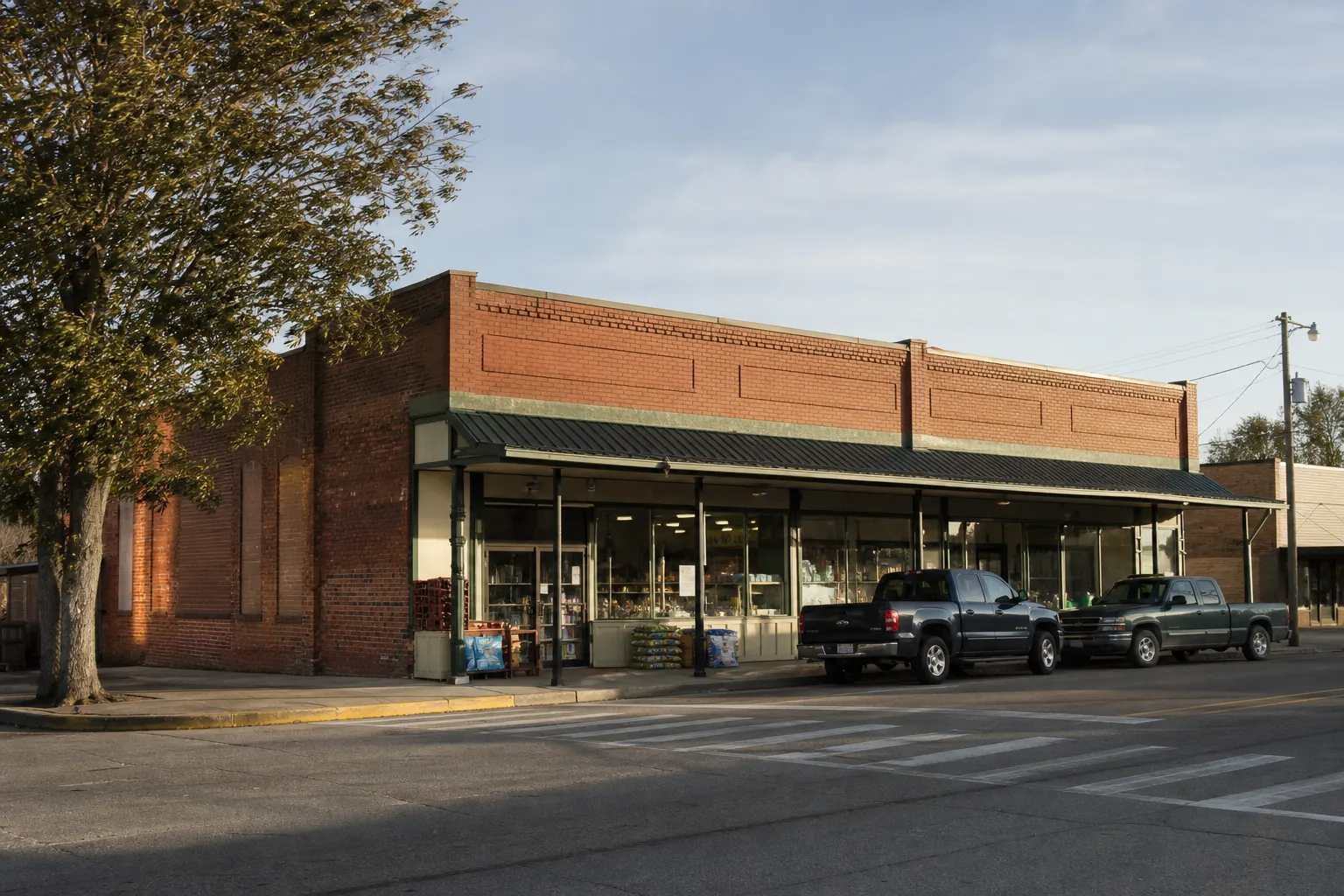
Maine grocery deals are control-state logistics first. Portland specialty weeks, Lewiston–Auburn community mixes, Bangor Downeast tourism seasonality, and Augusta capital-region boxes do not share one underwrite, and BABLO does not treat every grocery as an agency liquor store. Coast freight and Rule 703 prepared-food remittance rewrite P&Ls that looked familiar in a license-only Midwestern file. CBP 2023 lists 357 NAICS 445110 establishments in Maine. Vintage 2024 puts the state’s population at 1,405,012. Three hundred fifty-seven stores is a small statewide set—gossip travels on harbor docks and AGNE trucks—but it is still not a listings board. Close on SDE from this recast, not on a Hannaford rumor.
Recast earnings and keep the sale confidential before the harbor grapevine hears. BABLO status, Health Inspection Program transfer, and landlord consent belong on one sequenced calendar—book a confidential intro. Reserve time at jason.taken@hedgestone.com. On Maine grocery exits, Grocery Store Business Broker (HedgeStone Business Advisors / Jason Taken) works sell-side and buy-side. The matching buy brief is buy a grocery store in Maine.
Agency appointment or beer-and-wine only under BABLO
Maine is a NABCA control state. The Maine Bureau of Alcoholic Beverages & Lottery Operations runs the spirits system. Beer and wine retail is licensed; fortified wine and spirits sit in the control framework. Secondary summaries sometimes list Maine among states that allow grocery spirits through an agency-store model. Confirm whether this address holds an agency liquor appointment or beer/wine privileges only. Agency appointments are limited. Appointments and on/off-premise licenses are not automatic with an asset sale. A CIM that writes spirits cash flow onto a beer/wine-only file invents earnings. Liquor license due diligence is the longer note.
Retail food sits with Maine CDC, Health Inspection Program. Confirm the desk that holds the current permit. Tobacco can touch Maine Revenue Services and BABLO as applicable. Maine State Lottery sits with BABLO—lottery is a real transfer line when tickets are in the vestibule, and BABLO’s dual role means liquor and lottery can share a calendar conversation. WIC sits with Maine CDC — WIC. Name BABLO status and the health desk after NDA; keep early teasers regional so they do not identify the only Portland specialty independent on that stretch.
Rule 703 staples versus the taxable deli
Maine generally exempts grocery staples from sales tax. Prepared food is taxable. Confirm Maine Revenue Services Rule 703 (food products) for the deli and hot-bar mix. Show remittance for this register. A buyer who models New Hampshire’s no-sales-tax story invents remittance on a Maine prepared week. A buyer who ignores hot-bar rings while claiming a clean exempt tape invents remittance the other direction.
Ask Maine Revenue Services whether a tax-clearance letter or successor-liability holdback belongs in escrow. Counsel should confirm current notice practice. Labor: WHD effective July 1, 2026 lists Maine at $15.10. Recast on what this store pays. Confirm Maine DOL paid-leave posters. An urban Portland crew already above $15.10 should stay in the model at actual wages—Hannaford and Shaw’s set the labor floor buyers wish they could ignore.
Portland and South Portland carry the primary independent and specialty market—seafood-adjacent sets, tourist summer weeks, and year-round neighborhood rings that do not move together. Lewiston–Auburn holds Franco-American and newer immigrant independents with different SKU lists than the coast. Bangor and Downeast lean rural independents with tourism seasonality on the coast; shoulder seasons expose occupancy and labor. Augusta and Waterville are capital-region small-city stores with steadier but thinner trade areas. Those are qualitative notes from the research pack. Do not invent metro population shares or asking rents; rent fields remain null here.
A buyer who wants “a Maine grocery” without naming the stretch is not underwriting. A Portland specialty mix is a different file from a Downeast tourism week. Underwrite shrink, remaining lease term, and how AGNE or C&S land on the P&L. Rural grocery preservation is a recurring policy theme—verify current DACF or USDA notices rather than inventing a grant dollar. Buying an ethnic market outside your community still applies when the mix is community-specific.
Hannaford (Ahold Delhaize), Shaw’s (Albertsons Cos.), and Associated Grocers of New England retailers are competitive context. Walk the set. Return to this scan file. A Hannaford multiple does not travel onto a Lewiston–Auburn independent. Matching banner labor on a thin Downeast week donates margin. Associated Grocers of New England, C&S Wholesale Grocers, and UNFI appear as named wholesalers. An AGNE retailer is not a listing and is not a Hannaford. Wholesaler consent is a third calendar—wholesaler and banner agreements when you sell. Write who will stand the store into the CIM, especially when coastal freight delays create outs and substitutions.
Harbor quiet work before the dock hears
Harbor deals start with counsel and a CPA. The teaser names Portland, Lewiston–Auburn, Bangor Downeast, or Augusta, then format and inventory at cost. Post-NDA delivery includes departmental sales, the lease abstract, BABLO beer/wine versus agency status, and Rule 703 remittance notes. Assignment or transition hours are when managers hear—not a vestibule sign that teaches the street first.
Remove owner compensation, documented one-time repairs, and personal runs. Related-party rent goes to market if a third-party landlord will collect. Standing inventory is rejected as an add-back. Link the week to filings through preparing three years of financials and verifying sales with scan data. Count inventory at cost—how inventory is counted at closing. Hold back unsellable SKUs; treat over-advances as debt.
USDA FNS SNAP authorization does not transfer. The buyer files a new retailer application. Write the filing into the LOI and plan cash for any EBT gap. SNAP retailer counts stay null. See what happens to SNAP authorization when you sell. Downeast tourism weeks can inflate summer scan while shoulder seasons expose occupancy and labor at or above $15.10. Demand a full year of scan—including shoulder months—before anyone debates a multiple. Health Inspection Program transfer is a dated LOI step, not a footnote after tax clearance.
Coast occupancy without inventing Portland rent
Compute occupancy from this lease and this P&L—base, CAM, tax, insurance over sales. Do not invent dollar-per-square-foot rent for Portland or Downeast. Listing-site multiples are method context only—not a Maine sold-comp. Argue from recast earnings on the valuation hub and how to value a grocery store.
Lease due diligence covers assignment, remaining term, options, co-tenancy, and use. Landlord consent priced as a rent rewrite changes SDE. Owned dirt is a second asset—selling with a lease versus real estate. Use SBA 7(a) for grocery acquisitions only when the week can carry tourism seasonality—SBA 7(a) caps at $5 million. A Downeast tourism box needs shoulder-season weeks before anyone debates a multiple. Rule 703 remittance on prepared food belongs in the CIM beside Maine Revenue Services clearance. A Portland specialty independent that already pays above $15.10 should stay in the labor model at actual wages.
BABLO, Health Inspection, SNAP, training dates
Date BABLO approval (and any agency-appointment consent), Health Inspection Program transfer, SNAP filing, Maine Revenue Services clearance practice, and landlord consent as separate LOI steps—seller LOI priorities. Write training hours that protect a Portland mix and a Downeast tourism crew—transition hour drafting. Handle people with staff and WARN notes when those rules apply. Name who opens and who receives coastal freight if those people are the recast.
Maine diligence after NDA starts with BABLO status and Rule 703 remittance. Confirm agency liquor versus beer/wine only. Demand a year of scan, EBT settlement, and prepared-food remittance notes. Buyers on a Maine search should treat Portland, Lewiston–Auburn, Bangor Downeast, and Augusta as separate files. This site does not publish live Maine inventory. Lottery sits with BABLO—do not invent lottery cash flow if tickets are absent. Rural grocery preservation themes are real; verify DACF or USDA notices rather than inventing a subsidy dollar.
Portland specialty independents should show tourist weeks beside year-round neighborhood rings so a July harbor spike does not define SDE. Lewiston–Auburn Franco-American and newer immigrant mixes need SKU and language notes after NDA. Downeast operators should deliver shoulder-season scan next to peak tourism weeks—occupancy and labor at or above $15.10 show up when the summer crowd leaves. Augusta and Waterville capital-region boxes should show whether state-employee traffic or local neighborhood rings actually carry the week. AGNE membership equity and deposits are scheduled items. C&S and UNFI consent clocks matter more when coastal freight creates outs.
Agency liquor appointments are limited—confirm BABLO status before a buyer underwrites spirits. Lottery sits with BABLO; invent lottery cash flow only when tickets are actually in the vestibule. WIC restart sits with Maine CDC — WIC. Rural grocery preservation themes are real; verify DACF or USDA notices rather than inventing a subsidy dollar for the teaser. Paid-leave posters belong beside the WHD $15.10 floor in the labor paragraph. Health Inspection Program transfer is a dated LOI step. A buyer who imports New Hampshire’s zero sales tax into a Maine Rule 703 deli invents remittance.
Coastal freight delays show up as outs, substitutions, and sometimes air-freight or special-order expense—ask for those notes beside departmental sales. A Portland specialty mix that already pays above $15.10 should not be modeled at the floor. A Downeast tourism independent without shoulder seasons invents SDE. Lewiston–Auburn community boxes fight Hannaford on different terms than South Portland specialty independents. Name the stretch in the CIM after NDA so the underwrite matches the floor you actually run.
A hoped-for agency appointment that BABLO does not grant is not an add-back. Hot-bar and deli rings under Rule 703 can be a material tax story even when staples are exempt—show remittance lines separately. Bangor inland boxes are not Downeast coastal tourism boxes even when both carry a “Bangor region” label. Waterville and Augusta capital traffic should be proven with scan, not assumed from a statehouse zip code. Landlord consent on older harbor leases can rewrite rent; price that before SDE arguments. Paid-leave costs beside the WHD floor belong in the labor paragraph for the next operator. Franco-American and newer immigrant mixes in Lewiston–Auburn need transition hours that protect meat, bakery, and language programs buyers cannot reinvent from a Hannaford walk. Downeast shoulder seasons belong in the CIM next to July tourism rings so SDE stays honest. BABLO agency appointments are limited statewide—confirm the store file before spirits appear in the earnings story. South Portland harbor specialty weeks still need year-round neighborhood proof beside tourist spikes. Confirm Maine Revenue Services clearance practice with counsel on the asset sale.
Bring three years of P&Ls, the lease, the last health inspection, and the BABLO file. Grocery density, rent ranges, and SNAP-retailer counts will not be fabricated. The work is your recast plus BABLO, Health Inspection, SNAP, Rule 703, and occupancy from this lease. Book a confidential intro starts that map. jason.taken@hedgestone.com is the written hold on the hour. About Jason Taken introduces the desk. Lead with the recast—not a harbor rumor.
Worked math for Sell the Maine independent the agency appointment may carry
Price language for Sell the Maine independent the agency appointment may carry is (recast SDE x a defendable multiple) + inventory at cost, plus or minus lease and license risk. The table is one consistent example for this URL. State pages add the tax, wage, and alcohol-agency facts for this jurisdiction. They do not invent a local sold-comp set.
Inventory is cash at close, not a multiple. Confusing the two is how sellers over-ask and buyers under-cash the wire.
Bring three years of P&Ls, weekly sales, and the lease abstract to the intro call. Jason will tell you whether this band is even in the conversation.
This page is educational information from Grocery Store Business Broker (HedgeStone Business Advisors). It is not legal, tax, or investment advice. Licensing, tax, and financing rules vary by state and deal. Confirm every item with counsel and your lender before you sign.