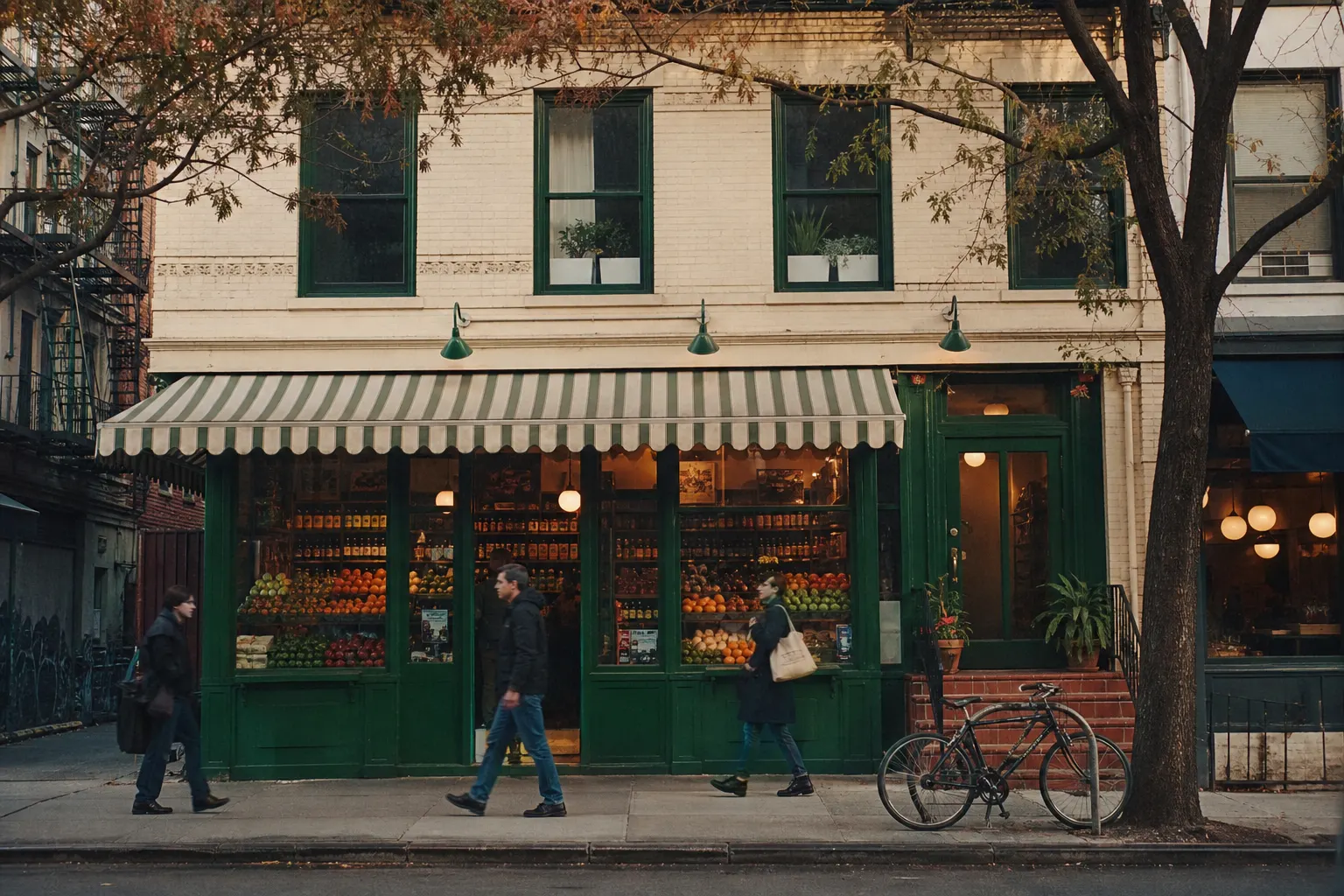
If you own an independent grocery in Detroit, Dearborn, Dearborn Heights, or Hamtramck, start with a recast and a confidential buyer list. Grocery Store Business Broker — HedgeStone Business Advisors, led by Jason Taken — will read the MLCC class, the city versus suburban health file, and the meat-case mix before anyone prices the store. Book a confidential intro to sell or to search.
The going concern is inventory at cost, Michigan Liquor Control Commission approval, a new SNAP application, and a landlord who will assign. Meijer, Kroger, SpartanNash banners (Family Fare / D&W and related), and Aldi set the competitive weather. They are context, not listings. Your independent wins the trips those banners do not take: halal meat, Arabic or Bengali on the aisle, hours, a butcher who stays. Statewide Michigan process lives on sell a grocery in Michigan and buy a grocery in Michigan.
Dearborn and Hamtramck as two operating files
Dearborn and Dearborn Heights hold well-documented Arab and Middle Eastern independents. Recast the meat case, certification path, importer terms, and who actually cuts on Monday. Sell a Middle Eastern halal market and buy a Middle Eastern halal market are the format essays. Detroit adds MLCC local legislative approval on top of the meat story.
Hamtramck holds Bangladeshi and Yemeni independents. That aisle mix is not Dearborn and is not a suburban Kroger. Recast rice, spice, and protein on the actual floor. A buyer who only knows Meijer will mis-read both cities. Do not paste one corridor’s earnings story onto the other.
Quiet process matters because corridor shoppers and SpartanNash, UNFI, and C&S reps talk. Put the NDA in front of scan data. Confidential sale is the worksheet. Keep the vestibule empty while MLCC and the local body move.
City of Detroit neighborhood independents also sit in this metro as African-American and mixed neighborhood boxes. Those files still need a recast, a health path, and occupancy as a share of sales. Sell a neighborhood grocery is the format essay. Federal HFFI and Detroit food-access programs may apply; this pack records no dollar figure, so treat incentives as a diligence call, not a CIM line.
MLCC control, two health desks, and the register
Michigan is a NABCA control state for spirits wholesale. Michigan Liquor Control Commission plus the local legislative body typically must approve. Beer and wine SDM licenses are common in grocery; verify local approval. Michigan appears on grocery-spirits lists via licensed specialty/SDD arrangements — verify the exact license on the store. Quota and local-approval issues exist for SDD/SDM. Transfer is not automatic. Liquor diligence and state alcohol regime are the worksheets.
Retail food is Michigan Department of Agriculture and Rural Development plus local health departments. City of Detroit and suburban departments are different files. Incoming operators apply as a new retail food operation. Build that lag into the close calendar next to SNAP.
USDA FNS SNAP authorization does not transfer. The new owner files a new application. Plan EBT lag into working capital. SNAP when you sell and EBT diligence belong in the LOI. WIC sits with Michigan Department of Health and Human Services. Michigan Lottery and tobacco (Treasury / MLCC as applicable) are separate retailer files.
Michigan generally exempts eligible grocery food from sales tax. Prepared food is taxable. Confirm Treasury RAB food guidance for hot food and fountain, then code the POS. State grocery sales tax is the statewide clip.
DOL’s July 1, 2026 consolidated table lists Michigan at $13.73. Confirm LEO wage posters. State minimum wage is the national table.
On an asset sale, confirm Treasury tax clearance and successor liability. Repealed UCC Article 6 does not erase Michigan successor risk. Bulk sales belongs in counsel’s memo. If the building conveys, close it with Michigan real-estate counsel. Jason Taken works the Detroit grocery recast — book a confidential intro.
Recast, occupancy, and a buyer who can close
A Detroit seller who prices from weekly sales alone will sit through a recast. Department margins, owner hours, and shrink decide whether a multiple inside the national IQR holds. Recasting a grocery P&L and three years of financials are the homework. Tie weekly sales to scan and EBT. Scan-data verification is how you survive a buyer who already shops Meijer.
Most city independents lease. Some older neighborhood stores own the box. Confirm the file. Put assignment in the LOI. Occupancy is rent as a share of sales from the actual lease — this pack does not attach a public Detroit grocery rent-per-foot table. Lease due diligence and the rent checker are the tools. If the seller owns real estate, recast the store on market rent and price the building separately. Lease vs real estate and buy a grocery with real estate split the assets.
SBA 7(a) can finance a change of ownership; the published maximum is $5 million. Lenders still want MLCC, SNAP, and a lease. Seller financing can bridge privilege lag. How to buy a grocery is the sequence; buy a grocery store is the hub.
Inventory counts at cost, unsellable held back. Closing inventory and inventory at cost keep the fight off the floor. Read drop minimums and over-advances in the SpartanNash, UNFI, or C&S agreement. Wholesaler agreements stay off the sales floor while you work.
Halal certification, the butcher, and the local vote
A Dearborn independent without a cutter who stays is a different file from a Dearborn independent with a named butcher and a certification path the incoming owner can keep. Recast the meat case as an operating system, not as a department slogan. Sell a Middle Eastern halal market walks the format; Detroit adds MLCC local legislative approval that can take longer than a suburban SDM beer-and-wine transfer. Build the local vote into the timeline. A Hamtramck Bangladeshi or Yemeni independent is a third file: rice, spice, and protein on that floor, not a Dearborn paste.
City of Detroit health and a suburban health department can put two stores in the same metro on different close calendars. Incoming operators file a new retail food operation at the address. Do not assume a Dearborn Heights inspector is the Detroit desk. Surviving due diligence is the seller companion when a buyer asks for the live health file number.
Meijer takes the supercenter basket. Kroger takes the conventional supermarket trip. SpartanNash banners take a regional conventional trip. Aldi takes price. The independent has to explain which of those trips it still wins after close. Competition analysis is the method. Buying an ethnic market outside your community is required reading if the buyer does not already shop Dearborn or Hamtramck.
Working capital has to cover SNAP lag, MLCC plus local approval, health-file lag, and a SpartanNash or UNFI drop minimum. How much working capital and how much money you need are the worksheets. Buyer cash to close is the calculator. Michigan Lottery and WIC (MDHHS) belong on the same calendar. WIC, lottery, tobacco is the checklist. Tobacco may sit with Treasury or MLCC depending on the product — confirm the file.
People are the asset. A non-compete that is too wide to enforce does not replace a cutter who stays ninety days. Transition periods and employees and WARN belong in the LOI. Model labor on the $13.73 DOL floor, then confirm LEO posters. Anatomy of a grocery P&L and shrink, margin, and turns show whether that floor still leaves SDE.
If the deal is an asset purchase, allocation is a CPA conversation. Asset sale vs stock sale and taxes on selling keep that off the floor. Post-closing 90-day plan is Monday when the meat case still has to open and FNS has not posted. Federal HFFI and Detroit food-access programs may apply; treat them as a diligence call, not a CIM dollar line.
SDD specialty/spirits arrangements exist in Michigan’s control system and must be verified on the store. A buyer who models an Ohio agency contract store or an Indiana grocery-spirits aisle onto a Detroit SDM-only box will mis-read margin. Control state is the vocabulary; the MLCC class is the file.
The local legislative vote on SDD and SDM
MLCC approval is not the last desk. The local legislative body typically must approve SDD and SDM transfers. A Dearborn independent and a City of Detroit neighborhood box can sit in different local-vote calendars even when both are SDM beer-and-wine files. Build that vote into the LOI as a condition, not as a hope. The LOI terms that matter for sellers is how you freeze it. Red flags includes a CIM that treats MLCC as a sticker swap.
Quota and local-approval issues exist for SDD/SDM. Verify the class on the store. A Hamtramck independent that holds SDD specialty/spirits paper is a different privilege from an SDM-only suburban box. How to read a CIM is the buyer filter. Blind teaser keeps Meijer off the vestibule while the local body is still in session.
Prepared food is taxable in Michigan; eligible grocery food is generally exempt. Confirm Treasury RAB guidance for hot food and fountain, then code the Dearborn steam table and the Hamtramck hot line as the deli they actually are. Evaluating a store’s P&L is how a buyer tests coding against EBT and merchant deposits.
Landlord assignment in Detroit, Dearborn, and Hamtramck is still a person. Some older neighborhood stores own the box — recast those on market rent and price real estate separately. Exclusive use matters if a Kroger or Meijer sits in the same center. Occupancy remains a ratio from the lease you have; this pack does not publish a Detroit rent-per-foot table.
National multiples on a control-state file
BizBuySell grocery and supermarket businesses sold on that listing site: 3.38 average earnings multiple in 2025, 2.66 five-year average (2021–2025), IQR 1.60–3.15, and 0.43 average revenue multiple on the 2025 sold sample. Use 3.38 on a clean lease, a clean MLCC path, and a recast a lender will take. Most Detroit-area independents argue inside the IQR. SDD lag and a seventy-hour owner move you inside that band. The 0.43 revenue figure checks a seller who is selling register volume. Inventory is added at cost after the multiple. How to value a grocery, the valuation hub, and the multiples report are the method.
Timeline to sell is the calendar: MLCC, local legislative body, City of Detroit or suburban health, FNS, Michigan Lottery, landlord. Reasons deals fall apart is the failure list.
Book a confidential intro with the lease, three years of returns, the SDD/SDM class, and an honest note on who runs the Dearborn or Hamtramck meat case. Jason will tell you whether the file can live inside the national band — and which Michigan desk still has to move before a buyer writes. MLCC, the local legislative body, and the city or suburban health permit should sit in one folder before anyone tours.
How a buyer would price Buy or sell a Detroit grocery store
Use this napkin recast on Buy or sell a Detroit grocery store when you book the call. It is labeled illustrative. BizBuySell's 2025 grocery sold-business earnings multiple averaged 3.38, with a 2021-2025 IQR of 1.60-3.15. Metro pages talk corridors and operators. They do not invent asking rents or establishment counts.
Rent at 2.7% of sales is the occupancy check. If the real lease is higher, the SDE in this table is too generous until you recast to market rent.
Book the intro call with your side of the table ready: seller files or buyer capital. The calendar is the only next step.
This page is educational information from Grocery Store Business Broker (HedgeStone Business Advisors). It is not legal, tax, or investment advice. Licensing, tax, and financing rules vary by state and deal. Confirm every item with counsel and your lender before you sign.