Is a grocery holdback the same as earnest money?
No. Earnest money is a deposit that may go hard during diligence. A holdback is usually seller proceeds parked after close until named risks clear.
Grocery Store Business Broker · HedgeStone Business Advisors · Jason Taken
Last updated 2026-09-04
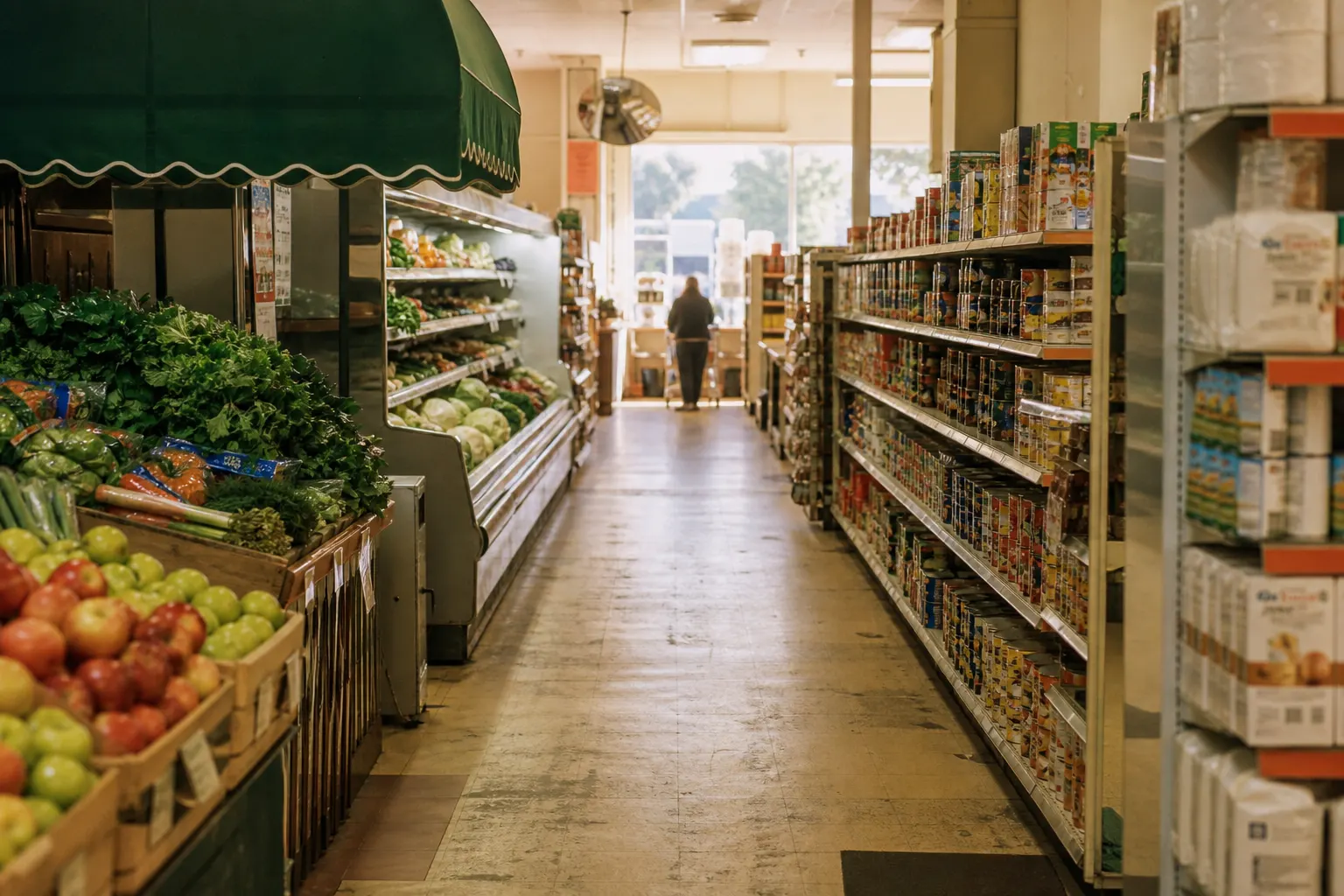
Holdback — A slice of price left in escrow after close to cover indemnities, tax notices, or inventory disputes. Independent grocery asset sales reach for it because the stockroom is perishable and tax agencies can still send a bill after the keys move. Duration and dollars are a negotiation. This pack does not publish a sourced “market standard” amount.
Write the release before anyone argues the headline price. Grocery Store Business Broker — HedgeStone Business Advisors, led by Jason Taken — treats a holdback as a cash-at-close mechanic, not as a vibe. Book a confidential intro when you want the escrow exhibit sketched while the recast is still open.
Grocery holdbacks usually sit on two risks. First, the count. Inventory at cost is a separate check. If the third-party tape and the seller’s story disagree on unsellable, short-dated, or retail-tagged product, you need a dollar bucket and a referee. How inventory is counted at closing is the procedure. Second, successor tax. Successor liability and a missing tax clearance certificate are how a buyer inherits a sales-tax problem they did not operate. State bulk-sales and tax-clearance notes are the map. A holdback does not replace notice to the agency. It gives the parties a place to park money while that notice works.
Shrink that was always the business does not belong in a post-close clawback story. Recurring spoilage and front-end theft sit in SDE. A true surprise — a cooler that failed the week after close, a vendor bill the seller hid — is why indemnity language exists. Name the category. Do not use “grocery risk” as a blur.
Earnest money is a buyer deposit during the process. It may go hard after diligence. It is not seller proceeds waiting on a tax letter. An earn-out is extra price if the store hits a post-close target. Grocery earn-outs are hard because the buyer now sets mix, labor, and pricing. A holdback is usually money the seller already earned, held back until a named condition clears. Mixing the three in one LOI sentence is how a seller thinks they sold a number they did not get. Escrow, holdbacks, and earn-outs is the longer guide.
Sellers feel a holdback as a haircut. Buyers feel a zero holdback as a dare. The adult version is a cap, a clock, and an escrow agent who will follow written instructions. A 60 to 90 day tax or inventory holdback is common talk. It is still a deal point, not a statute. Do not confuse a holdback with tax clearance. Filing the state’s bulk-sale or successor notice is how you reduce the risk. Parking money is how you share whatever risk remains. One without the other is theater.
Comparing offers means cash at close after inventory, after any note, and after any holdback — not the CIM headline. If one buyer parks six figures for 180 days with a vague indemnity, that is a different check than a buyer who releases on a clean count and a filed tax notice. Put the mechanic in the letter of intent so diligence does not invent a second price. Then book the intro with the draft escrow exhibit. Bring the inventory range and the state’s tax-clearance habit. The hour is for money that actually moves.
These figures are a teaching walk-through for Holdbacks on a grocery close, not a quote and not a sold comp. Order of operations: weekly sales, recast SDE, inventory at cost, then a multiple band.
| Input or output | Illustrative figure |
|---|---|
| Weekly sales (illustrative) | $195,000 |
| Annual sales | $10,140,000 |
| Recast SDE | $314,340 (3.1% of sales) |
| Inventory at cost | $507,000 (~20 turns) |
| Occupancy check | $283,920 / year (2.8% of sales) |
| Low going-concern | $1,041,378 at 1.70x SDE + inventory |
| High going-concern | $1,402,869 at 2.85x SDE + inventory |
| Sketch DSCR on a note | 1.48 |
If weekly sales or shrink move 8 percent, the SDE and the note move with them. That is why Jason Taken starts with scan data and the lease, not with a neighbor's rumor multiple.
Book the intro call with your side of the table ready: seller files or buyer capital. The calendar is the only next step.
Print these, mark them up, and bring the marked copy to the intro. They are educational. They are not a valuation letter and not a listing. All downloadable guides.
Have the file ready so the hour is a recast, not a scavenger hunt. Then pick a time.
Get a specialist on the other side of the table
Grocery deals turn on licenses, inventory, and a recast a lender will believe. Book the intro and bring the file.
Book an Intro Call With Jason TakenNo. Earnest money is a deposit that may go hard during diligence. A holdback is usually seller proceeds parked after close until named risks clear.
No. An earn-out pays extra if post-close sales hit a target the buyer now controls. A holdback is already-earned price waiting on a release condition.
No. A 60 to 90 day tax or inventory holdback shows up in negotiation talk. It is not a sourced market dollar amount in this research pack.
The trigger, the dollar cap, who holds the funds, how a count dispute is decided, and what happens if a tax notice arrives. Vague “indemnity escrow” language is how money sits forever.
Start a confidential grocery conversation
Whether you are exiting or acquiring, pick a time and we will talk through the file.
Book an Intro Call With Jason TakenThis page is educational information from Grocery Store Business Broker (HedgeStone Business Advisors). It is not legal, tax, or investment advice. Licensing, tax, and financing rules vary by state and deal. Confirm every item with counsel and your lender before you sign.
Ready when you are. Jason Taken will talk through the file.
Book a confidential intro