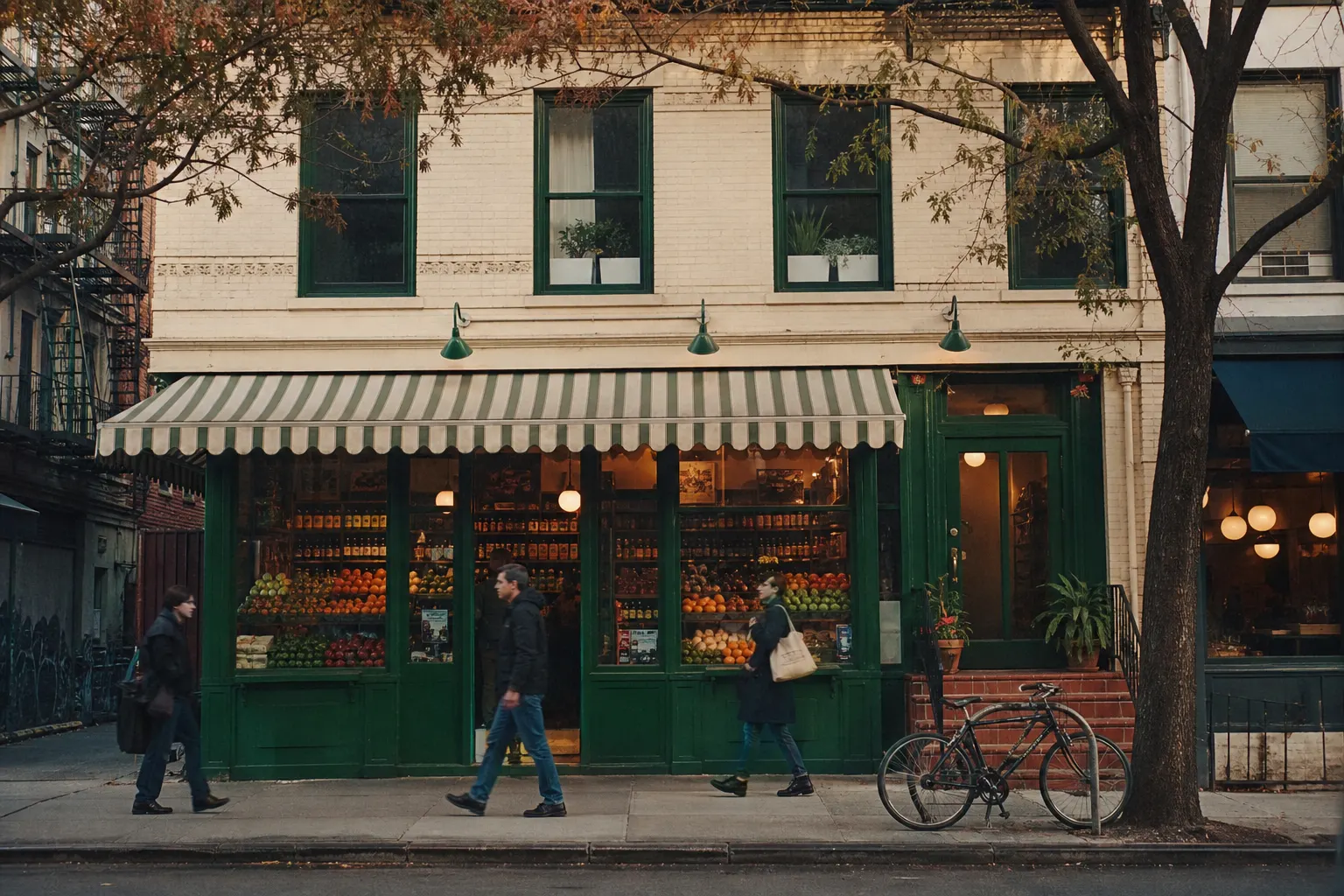
Austin independents sell next to H-E-B, not instead of it. That fact should change how you recast and how you underwrite occupancy. It should not become a story that “nobody can buy a grocery here.” Operators still buy boxes whose lease, mix, and licenses pencil. Book a confidential intro if you want that pencil on your file. Email jason.taken@hedgestone.com to put the hour on a calendar.
Grocery Store Business Broker — HedgeStone Business Advisors, led by Jason Taken — treats an Austin sale as a quiet recast, a landlord conversation, and a TABC calendar. Statewide Texas rules sit on sell a grocery store in Texas and buy a grocery store in Texas. This page is the metro work: how a seller packages without a floor rumor, how North Lamar and Rundberg differ from a specialty box, and how a buyer prices rent as a share of this week.
FMI reports $1 trillion in 2025 supermarket sales, 45,575 U.S. stores in 2024, average weekly supermarket sales of $668,377, $19.59 weekly sales per selling square foot, and a 2.1 percent average net for food retailers. Those numbers describe a national supermarket sample. They do not describe your Austin independent. A 1–3 percent independent net band shows up in trade conversation; it is not an official NGA primary statistic in this research pack. Recast SDE from the books you actually keep.
Quiet sale against H-E-B gravity
A seller who waits for a public listing to “test the market” teaches the floor, the vendors, and sometimes the landlord before a buyer has signed an NDA. Sell confidentially means counsel and a CPA first, then a blind teaser that names a part of metro and a format — not the only Hispanic independent on that stretch. Operators who can fund see the CIM after NDA. Managers hear when assignment or transition hours need them.
Recast the P&L before you pick a multiple. Put owner pay back in. Add one-time repairs that have invoices. Pull personal autos and owner travel out. If you own the building and charge yourself a token rent, recast the store on a rent a third-party landlord would charge, then price the dirt as a second asset. Unpaid family hours are not add-backs. They are labor the buyer must hire.
Texas generally exempts eligible grocery food from state sales tax. Prepared food, many heated items, and defined snack and soft-drink categories are taxable. Confirm Comptroller Publication 96-280 for grocery and convenience stores against this mix — hot bars and prepared cases change the remittance. The recast should show what you actually send the Comptroller, not a statewide slogan.
Most states repealed UCC Article 6. Texas may still impose sales-tax successor liability, a bulk-sale notice, or a tax-clearance practice on an asset sale. Confirm the current Comptroller notice and any escrow holdback with counsel before closing. A repealed Article 6 is not a clean bill.
Labor recasts on what this store pays. The U.S. Department of Labor WHD table effective July 1, 2026 lists Texas at the federal $7.25 minimum. Confirm Texas Workforce Commission posters. If you pay above that floor — and most grocery files do — the recast uses the actual wage tape, not the statute.
North Lamar and Rundberg as operator files
North Lamar and Rundberg are a documented Hispanic and immigrant independent corridor. The qualitative note from ACS-style tables is enough. Do not invent a population percentage for the stretch. A buyer who wants those aisles needs language on the floor, a vendor list that can restock them, and a mix that is not a conventional suburban banner in costume. Buying an ethnic market outside your community is the longer caution.
H-E-B, Central Market (an H-E-B banner), and Whole Foods (a headquarters market, not a typical independent comp) are competitive context. They are not live listings. They are not sold-comps you can paste onto an independent recast. Walk the set. See what they take from the week and what they leave. Then return to this store’s scan and shrink.
A specialty or natural box in Austin is a different file from a conventional independent. Department margins, labor hours, and spoilage clocks change. Do not blend those formats because both sit inside the same metro name. Evaluating a store’s P&L is how you keep the mix honest.
H-E-B’s circular and private-label cadence is the price tape many Austin shoppers already carry in their heads. An independent that matches those prices on milk and eggs and makes its money on the rest of the basket can still recast. An independent that matches those prices on everything and hopes labor will forgive it will not. Pull department grosses. If grocery dry is carrying the week and meat or produce is a donation, say so in the CIM. A buyer who discovers that on week two of diligence will cut the multiple or walk.
Central Market is an H-E-B banner, not a third chain. Treat it as more H-E-B gravity, not as a separate sold-comp universe. Whole Foods is a headquarters market. It teaches you what a national specialty operator looks like in this city. It does not teach you what a two-register independent on North Lamar should ask. Keep those files in separate folders.
Prepared food is the tax and labor trap on many Austin independents. A hot bar, a rotisserie, or a taqueria case can be the profit center and the Comptroller problem in the same week. Publication 96-280 is the reading. The recast should split taxable prepared from exempt grocery so a buyer can see both the margin and the remittance. A CIM that blends them into “grocery sales” is hiding the mix.
TABC, City of Austin health, and the Comptroller
The Texas Alcoholic Beverage Commission is the named alcohol agency. Beer and wine in grocery are common in wet jurisdictions. Confirm the county wet/dry map on the address. Off-premise spirits are a separate package-store class with ownership limits that are not a general grocery-spirits privilege. TABC must approve the incoming licensee. Privileges do not ride automatically with the asset purchase. Liquor license due diligence is the checklist.
City of Austin health is the retail-food desk for boxes inside the city. Texas DSHS and other local health departments cover stores outside that line. Call the department that holds the current permit. Tobacco may sit with the Comptroller or TABC depending on the item; treat it as its own incoming-owner file. Texas Lottery is another file if tickets are on the counter. WIC sits with the Texas Department of State Health Services.
SNAP authorization does not transfer. USDA FNS requires the new owner to file a new retailer application. If EBT is a material share of the Austin week, budget cash for the gap and write the filing into the LOI. What happens to SNAP when you sell is the federal rule.
SBA 7(a) can finance a change of ownership; the published maximum is $5 million. The 7(a) file still wants a lease the landlord will assign and a TABC path the buyer can finish. SBA 7(a) for grocery acquisitions is the longer note. How much money you need is the cash conversation around inventory and the SNAP gap.
Rent as a percent of this box’s sales
This research pack left Austin asking rent and occupancy-cost dollars null. Do not invent a per-square-foot rent. Occupancy is still the binding constraint: base rent, CAM, tax, and insurance from the lease, divided by sales from the P&L. A store that rings a strong week and still pays an assignment the cash cannot carry is not a bargain. Lease due diligence is the remaining term, options, use clause, and whether the landlord can recast rent as the price of yes.
FMI’s $19.59 weekly sales per selling square foot is a supermarket channel productivity figure. It is not an Austin rent target and it is not your sales-per-square-foot quote. Measure this box. Then ask whether the assignment still works if the landlord resets rent.
If the seller owns the real estate, recast store earnings on a market rent you can defend and price the building as a second asset. Selling with a lease versus real estate keeps those piles from contaminating the multiple. A sale-leaseback is a structure, not a way to hide occupancy.
Landlord leverage is the Austin occupancy story this pack can tell without inventing a rent table. Remaining term, options, and whether consent can reset rent matter more here than a hoped-for multiple. A five-year option stack with a use clause that already says “grocery” is a different file from sixteen months and a landlord who wants a restaurant. Abstract both. Then divide the full occupancy stack by trailing sales. If that ratio only works because the seller paid himself no rent, the recast will show it.
Wholesaler consent is its own calendar. Drop minimums, personal guarantees, and over-advances do not assign because the asset purchase says so. Wholesaler and banner agreements when you sell is the checklist. An incoming owner who cannot get a drop will not keep the aisle mix that made the recast. Write the house and the DSD vendors into the CIM.
National multiples, Austin recast
National BizBuySell grocery sold bands — 3.38 (2025), 2.66 (five-year), IQR 1.60–3.15, revenue 0.43 — attach to recast earnings on a listing-site sample, not a local sold-comp. They are not a reason to skip the recast. The valuation hub is the method. How to value a grocery store walks the same argument without inventing a local average.
Inventory is counted at cost at close, usually as a separate line. How inventory is counted at closing is the night procedure. Department the room. Produce and meat are not center-store dry. Hold back unsellable. A wholesaler over-advance is debt. It is not an add-back and it is not “part of the multiple.”
Buyers shopping a Texas search should treat Austin as files, not as a listings board. This page does not publish live Austin inventory. The work is the recast, the lease math, TABC, and the SNAP restart.
A funded operator who already runs a box elsewhere in Texas will still underwrite Austin occupancy as if it were a new city — because it is. Do not import another metro’s rent story or another city’s aisle mix. North Lamar and Rundberg are this metro’s qualitative independent note. The buyer’s job is this lease, this scan, and this TABC address.
Start the Austin conversation
Bring the lease, three years of P&Ls, sales-tax filings, and a honest note about family hours. Grocery Store Business Broker will not invent a metro population, a grocery-density figure, or a rent range this pack left null. We will recast the store you run and map TABC, City of Austin health, SNAP, and the Comptroller notice.
Book a confidential intro to start that file. Email jason.taken@hedgestone.com if you want the hour in writing. About Jason Taken is the desk. The next step is occupancy and the recast, not a sign in the vestibule.
Worked math for Buy or sell an Austin independent grocery
These figures are a teaching walk-through for Buy or sell an Austin independent grocery, not a quote and not a sold comp. Order of operations: weekly sales, recast SDE, inventory at cost, then a multiple band. Metro pages talk corridors and operators. They do not invent asking rents or establishment counts.
Inventory is cash at close, not a multiple. Confusing the two is how sellers over-ask and buyers under-cash the wire.
Book the intro call with your side of the table ready: seller files or buyer capital. The calendar is the only next step.
This page is educational information from Grocery Store Business Broker (HedgeStone Business Advisors). It is not legal, tax, or investment advice. Licensing, tax, and financing rules vary by state and deal. Confirm every item with counsel and your lender before you sign.