Do I add the building value to SDE times a multiple?
Yes as a second line, after you recast the store as if it paid market rent. Do not leave related-party rent in the earnings and then add the dirt on top.
Grocery Store Business Broker · HedgeStone Business Advisors · Jason Taken
Last updated 2026-09-04
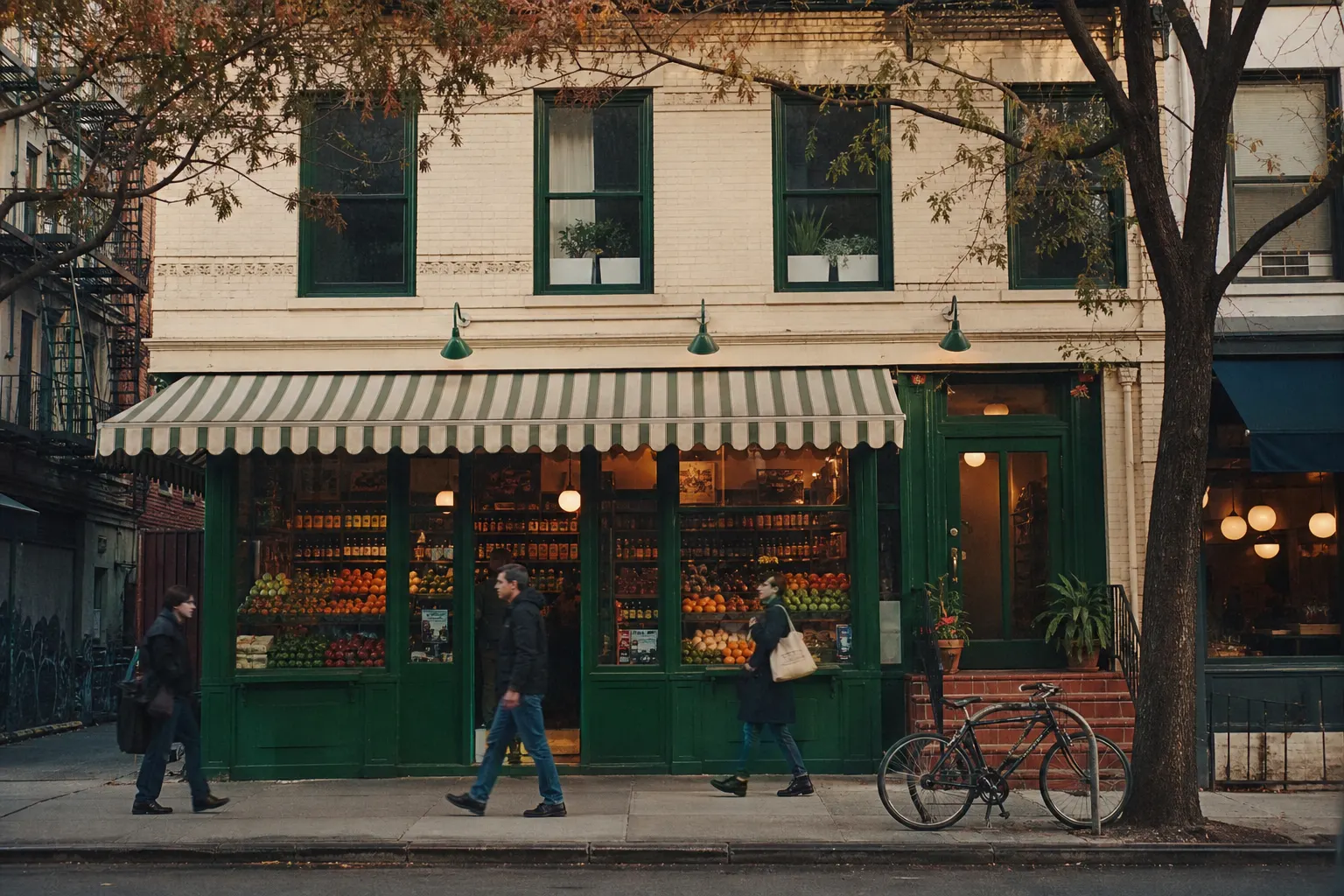
Split the file before anyone quotes one number. A grocery with real estate is an operating store plus a parcel. Grocery Store Business Broker — the grocery practice of HedgeStone Business Advisors, led by Jason Taken — recasts the store as a tenant, prices that going concern, then prices the dirt with real-estate work the lender will actually use. Book a confidential intro with both folders if you want those two lines written before a blended ask hits the street.
FMI’s 2.1 percent average net profit for food retailers in 2025 is why a cheap building does not rescue a store that cannot cover occupancy. Thin net plus a rent you never paid yourself is how a “package price” lies. The seller structure page is selling with a lease versus real estate. The format twin is sell a grocery store with real estate. This page is the arithmetic.
Sheet one: recast SDE as if the store paid market occupancy, then apply a defendable grocery multiple. Add inventory at cost. That is the going concern. Sheet two: the land and building on a supportable local capitalization or comparable approach from a commercial source. Do not blend them. A blended ask is a brochure that lets a real-estate buyer underpay the ops and an operator underpay the dirt.
BizBuySell grocery and supermarket sold businesses: 3.38 average earnings multiple in 2025; 2.66 five-year average; IQR 1.60–3.15 for 2021–2025. A 0.43 average revenue multiple on the 2025 sold sample is a sanity check. Those figures are a listing-site operations sample. They are not a real-estate cap-rate table. This pack does not attach a national grocery cap rate. The rate stays a file-specific input from local CRE work. How to value a grocery store is the ops method. The valuation pillar keeps the lines separate.
FMI’s $1 trillion in 2025 supermarket sales and 45,575 U.S. supermarkets in 2024 describe the channel. Your box is a deed plus a stockroom. Do not paste channel volume onto a parcel and call it an appraisal.
If you own the building and charge yourself a token rent, the P&L is lying. Related-party occupancy juiced the earnings. Pull it out. Plug a market rent you can defend. Then ask whether the store still covers labor, shrink, and debt. Recurring shrink stays in. Owner pay comes out. Recasting a grocery P&L is the earnings page.
Teaching sketch, labeled illustrative: weekly scan of $92,000 annualizes to $4,784,000. If you have been paying yourself $6,000 a month for a box that would lease for $16,000, you have been booking $120,000 a year of fake SDE. Put the $16,000 in. Then multiply the recast, not the juiced number. Use the rent-as-percent-of-sales checker as a sanity check — (annual rent + CAM) ÷ sales — not as a price and not as a national percent.
FMI’s $668,377 average weekly sales per supermarket in 2025 is a channel figure. Do not assume that week when you set market rent. Use the week you can prove.
The parcel needs an appraisal language a lender will accept, an environmental file, and a real-estate licensee in that state. Grocery refrigeration pads, grease, old underground tanks if any, and a cooler that sits on a slab are grocery-flavored real-estate problems. They are still real-estate problems. Do not hide them inside a grocery multiple.
A supportable cap rate comes from local commercial evidence, not from BizBuySell’s earnings IQR. If you cannot cite a local source, do not invent a rate in the CIM. Say the building will be priced from an appraisal and a rent the store can pay. Buying a store with real estate is the buyer twin. Sale-leaseback strategy is the path when the operator cannot buy both.
SBA 7(a) can finance a change of ownership; the published maximum is $5 million. Whether one facility can carry ops and dirt is deal-specific. DSCR must cover the payment after market occupancy, not after a sweetheart rent. Do not invent SOP line items. Read SBA 7(a) for grocery.
The stockroom is still counted at cost. It is not inside the grocery multiple and it is not inside the cap rate. Write the count method into the LOI. USDA FNS: SNAP authorization does not transfer. The deed is not the permit. Alcohol is a class, a quota, or a control-state product — NABCA lists 17 control states plus local-control pockets. A cooler on land you own is still a privilege problem.
Allocation among equipment, goodwill, inventory, and realty changes both sides’ taxes. Purchase price allocation and taxes on selling belong with a CPA in week two. Do not let a tax wish rewrite either model.
Comparing offers means cash at close, note terms, inventory treatment, license risk, and which asset each buyer is actually funding. An operator who can fund the store and not the dirt needs a lease you will keep or a sale-leaseback with an investor. A real-estate buyer who wants the box and a weak operator is how you underprice the grocery. A buyer who wants both should still see two prices. Comparing offers is the scoreboard.
Confidentiality changes when dirt is attached. A public building listing teaches the trade area you are leaving. Sequence a blind teaser on the grocery first unless you have already decided the parcel will be public. Sell confidentially is the circle.
Jason Taken and HedgeStone are not licensed business brokers in every state. Check the rule that applies to your deal. Selling the building always requires a real-estate licensee in that state. This page does not invent a cap rate or a CBP store count.
Print the SDE worksheet and keep a second sheet for the parcel. Book a confidential intro when both folders are in one pile, even if one is thin. Bring last week’s sales, the deed or a rent you would charge a stranger, and an honest inventory guess at cost. That is a useful hour.
These figures are a teaching walk-through for How do I price a store with real estate?, not a quote and not a sold comp. Order of operations: weekly sales, recast SDE, inventory at cost, then a multiple band.
| Input or output | Illustrative figure |
|---|---|
| Weekly sales (illustrative) | $195,000 |
| Annual sales | $10,140,000 |
| Recast SDE | $365,040 (3.6% of sales) |
| Inventory at cost | $845,000 (~12 turns) |
| Occupancy check | $365,040 / year (3.6% of sales) |
| Low going-concern | $1,629,836 at 2.15x SDE + inventory |
| High going-concern | $1,940,120 at 3.00x SDE + inventory |
| Sketch DSCR on a note | 1.49 |
If weekly sales or shrink move 8 percent, the SDE and the note move with them. That is why Jason Taken starts with scan data and the lease, not with a neighbor's rumor multiple.
Book the intro call with your side of the table ready: seller files or buyer capital. The calendar is the only next step.
Print these, mark them up, and bring the marked copy to the intro. They are educational. They are not a valuation letter and not a listing. All downloadable guides.
Have the file ready so the hour is a recast, not a scavenger hunt. Then pick a time.
Get a specialist on the other side of the table
Grocery deals turn on licenses, inventory, and a recast a lender will believe. Book the intro and bring the file.
Book an Intro Call With Jason TakenYes as a second line, after you recast the store as if it paid market rent. Do not leave related-party rent in the earnings and then add the dirt on top.
A supportable local rate from a commercial source the lender will accept. This pack does not attach a national grocery cap-rate table, so the rate stays a file-specific input.
Pull it out. Plug market occupancy. The juiced SDE was not durable. The building is still a second asset after that recast.
SBA 7(a) can finance a change of ownership; the published maximum is $5 million. Whether one loan can carry both assets is deal-specific. Do not invent SOP line items.
Price a lease the store can pay, or keep the dirt and become the landlord. Do not force a blended ask onto an operator who cannot fund the parcel.
Start a confidential grocery conversation
Whether you are exiting or acquiring, pick a time and we will talk through the file.
Book an Intro Call With Jason TakenThis page is educational information from Grocery Store Business Broker (HedgeStone Business Advisors). It is not legal, tax, or investment advice. Licensing, tax, and financing rules vary by state and deal. Confirm every item with counsel and your lender before you sign.
Ready when you are. Jason Taken will talk through the file.
Book a confidential intro